Full Article
about Sotillo
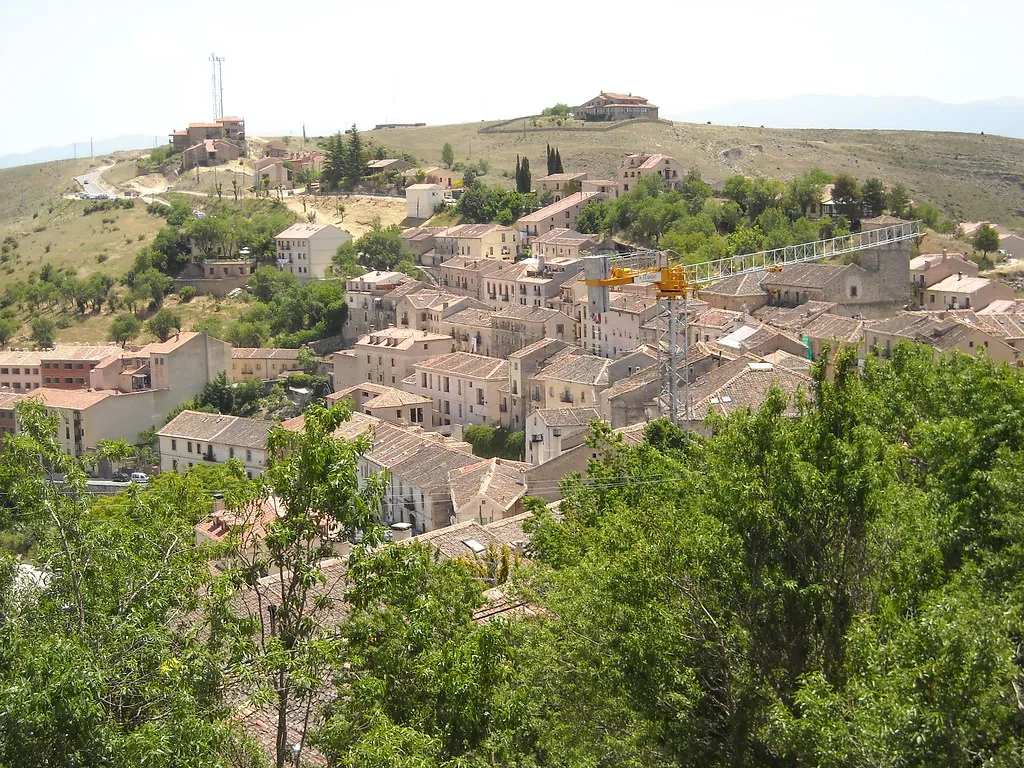
Village near the Duratón; it keeps traditional architecture and quiet.
Ocultar artículo Leer artículo completo
The church bell strikes three and the only reply is a tractor grinding through fourth gear somewhere beyond the last stone house. In Sotillo, perched on the high plateau of Segovia at 967 m, the afternoon belongs to dogs, wind and the squeak of a weather vane that has measured every season since 1932. Thirty residents remain. They recognise the engine note of every vehicle that climbs the final kilometre of county road SG-232, and they still call midday las doce even though the clocks changed decades ago.
A village that refuses to be pretty
Limestone walls the colour of oat biscuits have no intention of posing for photographs. Roofs sag, timber doors shrink and swell, and the single bar posts its opening hours in chalk because winter frosts will wipe them clean anyway. This is not a film set; it is a working grain village where the threshing circle still smells of diesel every July. The grain cooperative’s concrete silo dominates the skyline more proudly than the squat parish tower, and that honesty is refreshing. Visitors expecting geranium-filled balconies will leave disappointed. Those who arrive with ears open catch the low hum of the plateau: larks, distant chainsaws, the soft knock of a blacksmith repairing a harrow in the forge that occupies the ground floor of a sixteenth-century house.
Walking the grid of three streets takes twelve minutes if you dawdle. Adobe corners crumble like stale cheese, revealing fist-sized stones laid without mortar. A brass plaque explains that the low arch beside number 14 was once a portón de labradores—a wagon gate wide enough for a team of oxen. The metal has turned green, the same shade as the irrigation water that slides through the concrete ditch on the eastern edge each Friday morning. allotment holders grow onions tough enough to survive minus twelve in January; they taste of iron and frost.
Walking the bare horizon
North of the last house the tarmac stops. From here the meseta rolls away in browns and greys that would make a Cotswold painter reach for another palette. The GR-88 long-distance footpath skirts the village, but way-marking is erratic: a yellow dash on a fence post, then nothing for 800 m. Carry the free leaflet from Sepúlveda tourist office (open 10:00–14:00, closed Mondays) or download the track before leaving Wi-Fi range. A six-kilometre circuit threads through wheat stubble to the abandoned caserío of Losana, where swallows nest inside the roofless chapel. The return leg follows an old drove road; keep an eye out for short-toed eagles drifting overhead, particularly in late April when they ride thermals above the newly ploughed fields.
Summer hikers should start early. At this altitude the sun feels closer, and shade is theoretical until the oaks at the river gorge, still 4 km away. Carry more water than seems sensible—village fountains are often dry from June onwards. Winter visitors face the opposite problem: paths turn to gloop after the slightest shower, and the wind that barrels across the plateau can knife through Goretex. December and January bring luminous skies but also the risk of being snowed in for 48 hours; the county gritter reaches Sotillo last.
Roast lamb and other constants
There is no restaurant. Eating happens in kitchens where grandmothers guard recipes older than the postal service. If you are invited inside, accept. The ritual is immutable: first a glass of water drawn from the well, then chorizo from the pig killed in December, finally cordero asado—a whole side of lamb that has slow-cooked in a wood-fired oven while the family attended mass. The meat arrives with no garnish beyond a pinch of coarse salt and a wedge of lemon that travelled 120 km from Valencia because even austerity has limits. Locals wash it down with tinto de la casa, usually a Ribera de Duero that costs €2.50 a bottle at the co-op in neighbouring Carbonero el Mayor.
For self-caterers the tiny grocery opens 09:00–11:00 and 17:00–19:00. Stock is unpredictable: tinned tuna, rubbery queso fresco, tinned tomatoes, yesterday’s pan de pueblo from the bakery in Ayllón. Fresh vegetables appear on Thursday afternoons when a van drives up from Aranda. Bring carrots and broccoli if you cannot survive without them.
Day-trips when the silence grows loud
Sepúlveda, ten minutes down the hill, supplies the medieval fix: a Romanesque doorway carved with moons and lilies, and a tourist menu that includes judiones—buttery haricot beans the size of conkers—at €14 for three courses. More rewarding is the drive to the Duratón gorge at dawn. Griffon vultures launch themselves from ledges 100 m above the river; stand still and the air rushing under their wings sounds like distant artillery. The signed 7 km walk between the hermitage of San Frutos and the Puente de Talcano is easy enough for children, but trainers suffice only in dry weather; after rain the clay clings like wet cement.
If you must have castles, Pedraza obliges. Its walled fortress town sits 25 km south-east, and the weekly candle-lit concert in the plaza is held every… well, nobody can remember the schedule. Ask in Sotillo’s bar; the owner’s cousin plays viola in the quartet. Expect to stand; chairs are for the elderly and the mayor.
When to come, when to stay away
Late May turns the plateau emerald and the temperature hovers around 22 °C—perfect for walking before the sun climbs overhead. September repeats the trick, adding the perfume of threshing dust and ripe parra grapes that escape the growers’ cooperative. August is hot, still and crowded—by Sotillo standards. Fifteen cars instead of three, music from a Bluetooth speaker, teenagers who have returned from Valladolid complaining about the absence of 5G. Book accommodation early if your holiday coincides with the village fiesta (around 15 August). Two nights of verbena dancing end with a communal paella cooked in a pan wide enough to satellite-dish the BBC. Earplugs recommended unless you intend to join the orquesta.
Winter brings diamond-bright skies but also the risk of being marooned. Car hire firms at Madrid airport will not supply snow chains unless you beg; do so. The nearest hotel with central heating is in Sepúlveda, and even there radiators clank like medieval armour.
Rooms in Sotillo itself are limited to three village houses registered under the turismo rural scheme. Expect stone floors, wool blankets, Wi-Fi that flickers whenever the microwave turns on. Prices start at €70 for two, breakfast included: thick tostada, olive oil from Toledo, coffee strong enough to keep a shepherd awake through the night shift. The owners live next door; they will knock at 22:30 if you have left the outside light on—electricity still costs real money here.
Leaving without a postcard
Sotillo will not sell you souvenirs. The gift shop closed when the proprietor died in 2009 and nobody saw the point of reopening. Take instead the memory of a place that carries on because people still need to grow wheat, not because visitors need to be charmed. Drive back down the SG-232, round the final bend, and the village slips behind the crest of the plateau as if it had never existed. In the mirror you will see only wheat and sky, which is exactly how the thirty residents prefer it.