Full Article
about La Hoya
High-mountain village near the ski resort; cold climate and snow
Ocultar artículo Leer artículo completo
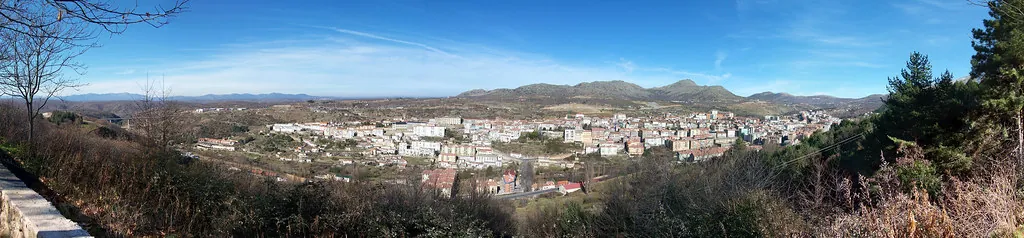
At 1,241 m, La Hoya is level with the summit of Ben Nevis. The difference is that here the road keeps climbing, the engine note thins, and the village itself sits on the ridge like a stone boat that forgot to come down. Thirty permanent residents, one church, zero shops: you can walk from end to end in the time it takes a kettle to boil, but the horizon stretches three provinces.
The last kilometre is the moment of truth. The tarmac narrows to a single strip between dry-stone walls; wing mirrors tuck in automatically. A hand-painted sign warns “Curvas Peligrosas” – understatement on a lane that corkscrews through sweet-chestnut trunks. Meet another car and someone has to reverse; locals simply glide backwards as if the mountain were theirs. Tourists grip the wheel, count the drops, and emerge onto a tiny plaza where the only traffic is a Labrador asleep under the fountain.
Stone, Slate and Silence
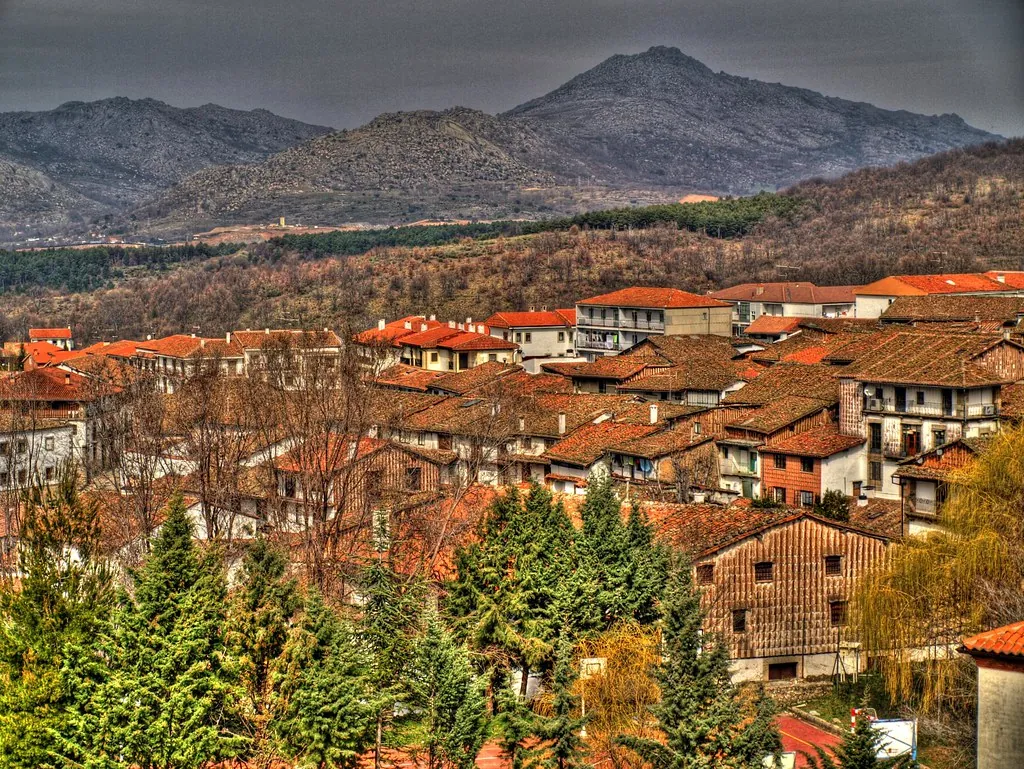
Houses are built from what the ground spat out: granite for the walls, slate for the roofs, timber hauled up from the valley when mules still had the job. Balconies are deep enough to store a winter’s worth of firewood; chimney pots lean at angles that would give a surveyor nightmares, yet they’ve weathered two centuries of Atlantic storms. Nothing is “restored” in the pastel-and-prosecco sense; walls bulge, doors shrink, and the church bell still hangs in a timber frame that creaks like an old saddle.
Inside the single-aisled church, the temperature drops five degrees. Whitewashed plaster, a plain Romanesque arch, a side altar dressed with plastic flowers that someone changes with the seasons. Sunday service is at eleven; if you arrive late you’ll hear the hymn before you see the building – sound carries further than light up here.
Walk twenty paces past the last cottage and the village simply stops. A cattle grid, a scatter of broom, then the Sierra de Béjar rolling west in oak and chestnut pleats. On clear evenings the peaks catch a pink alpenglow that photographers call “the magic hour” and locals call “time to bring the washing in”.
Walking Without Waymarks
Officially the Ruta de las Aldeas passes through La Hoya; unofficially the waymarks give up when the fog rolls in. The safest bet is the old mule track to Candelario – two hours, mostly downhill, through woods that smell of moss and wet iron. You’ll cross three stone bridges, one waterfall, and zero cafés; carry water and something to eat that won’t mind being sat on.
Shorter loops exist if you just want leg-stretching. Head east along the fire-break and you reach an abandoned hamlet called El Cabaco: roofless houses, a threshing circle gone to grass, elder trees sprouting through flagstones. Sit on the wall, listen for griffon vultures riding the thermals above, then retrace your steps before the shadows lengthen – there are no streetlights and phone batteries hate the cold.
Winter walkers need to be honest about kit. At this height snow can arrive overnight in December; the access road is gritted only as far as the turn-off for Béjar. Chains live in every local boot room; if you haven’t got them, the Guardia Civil will wave you round at the first bend and you’ll spend the night in the valley.
Where to Eat (and Where Not to)
La Hoya itself offers two things: silence and a picnic bench. For anything more elaborate you descend to Candelario (12 min by car, 45 min on foot). Asador El Lagar de la Loba grills judiones – butter-bean stew the size of a toddler’s fist – and will leave out the morcilla if you ask nicely. They also do a half-portion of roast kid for people who fancy something lighter than a climbing rope.
Béjar, down the western slope, has broader choice. Mesón la Tinaja serves chops “a la plancha” with nothing but salt and lemon, which tastes revolutionary after the chip-fat belt of the Costas. SuperSol on the main drag has a decent cheese counter: look for Queso de la Sierra, a mild goat’s cheese that won’t frighten children or Brexit veterans. Fill the boot on Saturday; everything shutters on Sunday afternoon except the petrol station on the industrial estate.
Seasons, Prices and Other Honest Bits
Spring brings sudden daubs of broom and the first bees; it’s also when the access road is most likely to be closed for resurfacing – the regional government schedules works before the summer influx that never quite arrives. Autumn is chestnut country. Locals sack up the fruit and sell them from trestle tables outside their gates: €2 a kilo, paper bag provided. If you’re self-catering, a handful chucked into a chicken casserole turns supper into something that smells like a French château.
Accommodation is limited to three village houses let as casas rurales. Expect €80–€100 a night for two bedrooms, stone floors, and a wood-burner that eats a €5 bag of logs every evening. Heating isn’t optional in October, let alone January. One cottage has Wi-Fi that flickers whenever the wind is westerly; the others require you to make your own entertainment – pack cards, books, or a partner you still like when the signal dies.
Crowds? Only during the fiesta primer fin de semana de agosto, when emigrants return and the population swells to 120. There’s a communal paella, a foam machine for children, and a disco that finishes at 03:00 sharp because the generator belongs to the council. Book early or stay away, according to taste.
The Last Mile Down
Leaving La Hoya is harder than arriving. The engine cooling fan cuts in halfway down the switchbacks, the temperature gauge climbing even as you descend. Pull over at the mirador two kilometres below the village: from here the slate roofs look like scales on a sleeping dragon, and you realise the place hasn’t changed in any way that matters. No souvenir shops, no artisan ice-cream, no hashtag. Just altitude, granite and a silence loud enough to ring in your ears all the way back to the motorway.