Full Article
about Montemayor del Río
Medieval village with an impressive castle and chestnut-wood crafts; wooded setting
Hide article Read full article
A village shaped by its setting
It is hard to picture a village in the Sierra de Béjar without the outline of a castle appearing somewhere in the scene. In Montemayor del Río, that image feels almost inevitable. The place carries its history openly, in its stonework and in the quiet rhythm of daily life. Nothing here shouts for attention, yet a closer look reveals details that reward a slower pace.
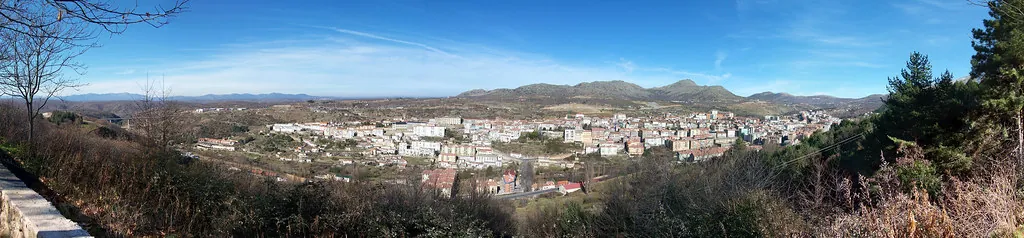
With just over two hundred inhabitants, the village sits in a strategic position between the Castilian plateau and the higher ground of the surrounding sierra. At around 677 metres above sea level, it occupies a kind of middle ground, neither fully mountainous nor entirely flat. The river Cuerpo de Hombre runs through the area, shaping small green spaces and accompanying walks near the centre.
Montemayor is not somewhere to rush through. There are no large museums or major attractions designed for crowds. Instead, there are narrow streets, granite buildings and a sense that time has eased its pace. Walking along the cobbled lanes, the quiet stands out most of all, broken only by the sound of the river. It suits those willing to slow down and settle into a more measured rhythm, the kind still preserved in smaller rural communities.
Stonework, towers and traces of the past
The defining landmark is the Castillo de los Duques de Béjar. This Gothic structure dates from the 15th century, although it stands on earlier medieval remains that some believe could go back as far as the 12th century. It was built to control the surrounding territory from both a military and administrative perspective. Today, its cylindrical towers and the keep still suggest how defence once worked in this part of Spain. The interior is not usually open to visitors, often due to conservation or availability, but its silhouette from the main square already conveys its importance.
Close to the castle stands the Iglesia de Nuestra Señora de la Asunción. It was built over earlier Romanesque remains and later modified during the Baroque period. The exterior is relatively simple, yet inside there are preserved Baroque altarpieces and an old image of the Virgin and Child. The church sometimes opens for services during the week, and when accessible, small details in the stonework and decoration offer a glimpse into its layered history.
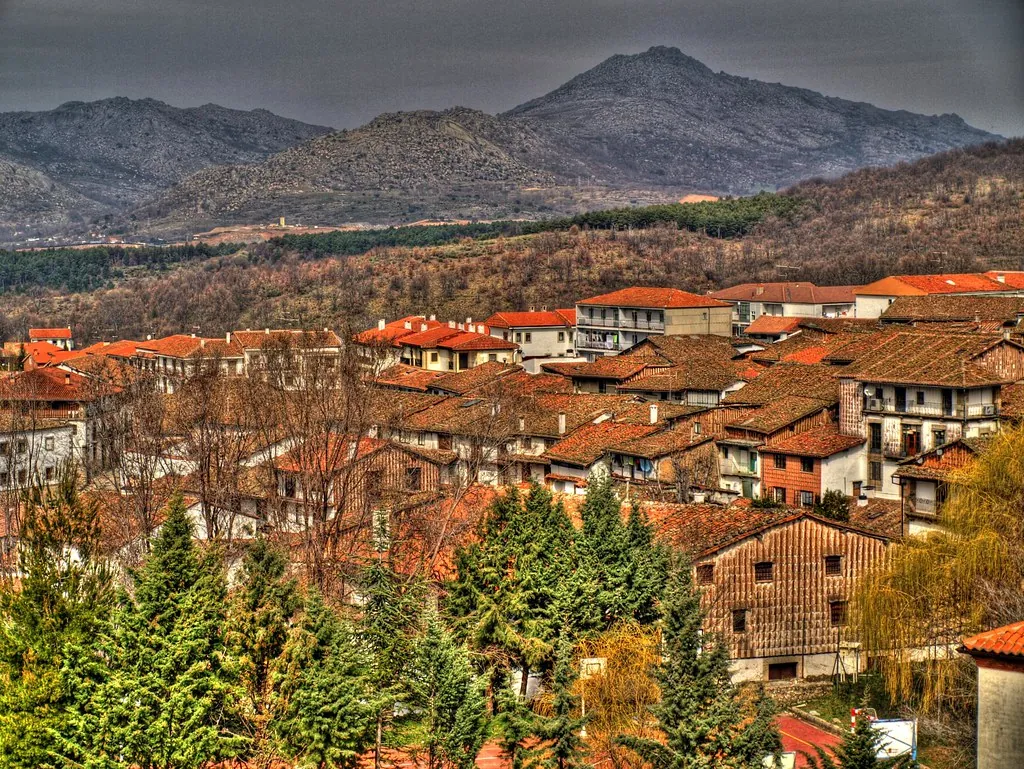
The main streets, including Mayor and San Juan, still show traditional housing built from granite masonry. Many homes have small windows with metal grilles and aged wooden lintels. Although some buildings have been restored, they generally retain their original character. A slow walk reveals subtle changes in textures and materials, from worn wood to carefully maintained stone.
The landscape that surrounds it
The natural setting plays a central role in Montemayor’s character. The river Cuerpo de Hombre forms gentle bends where it is easy to sit and listen to the water or spend time along the banks. Nearby, simple paths lead through woodland and across open meadows. Some of these routes connect with neighbouring villages such as Navacarros and Valdehijaderos.
The landscape is not marked by dramatic viewpoints or long-distance routes. Instead, it offers short, accessible paths that invite quiet observation. Pine trees and old chestnuts define much of the scenery. Crossing a rustic bridge or following a shaded trail gives a sense of what it means to live alongside this environment. Light shifts gradually through the day, and the surroundings change with it.
These are places where the appeal lies in small moments rather than major sights. Birdsong, the movement of water and the changing colour of the trees create a steady backdrop.
Quiet activities and simple pleasures
The area lends itself to gentle exploration. Short walking routes begin near the centre and lead towards old rural enclosures or small springs hidden among oak and walnut trees. One recommended spot lies just behind the castle, where paths branch out towards the Sierra Grande or towards small shelters among the pines. These routes often loop back to the village along the same cobbled streets.
Photography finds its place here, particularly in the early hours of the day. At dawn, the old stone surfaces catch the first light while interiors remain in shadow, creating a soft contrast. The stillness at that time is only interrupted by occasional sounds such as grazing sheep or a neighbour working on a wooden door.
Food options remain simple and tied to local life. Small shops and rural houses open depending on the season, and it is worth checking availability in advance. Local produce includes cured meats and mushrooms gathered in autumn. Traditional dishes such as calderetas, along with other straightforward stews, reflect a style of cooking that is both modest and full of flavour, still present in many rural households.
Local traditions without excess
The annual festivities revolve around San Sebastián, celebrated on 20 January. The atmosphere reflects the same understated character found in the village itself. These are not large-scale events designed for tourism, but community gatherings shaped by long-standing customs.
Montemayor del Río remains consistent in what it offers: a setting where history, landscape and daily life continue side by side without much alteration. Those who spend time here tend to notice the quieter aspects first, the sound of water, the texture of stone, and the gradual passage of the day.