Full Article
about Navacarros
Town on the road to La Covatilla; snow and mountain tourism
Ocultar artículo Leer artículo completo
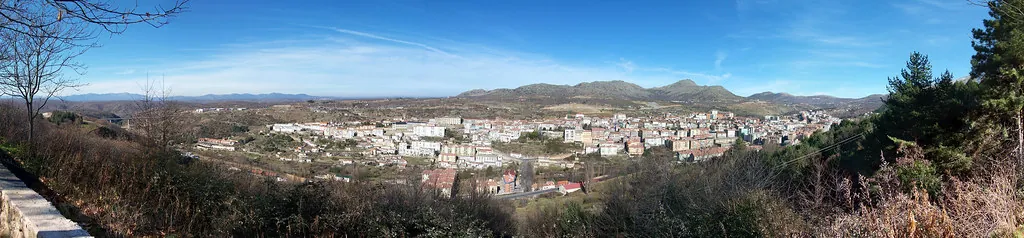
The morning mist clings to the slate roofs at 1,100 metres, and the only sound is a tractor coughing to life somewhere below the main square. This isn't one of those Spanish villages where tour buses disgorge their cargo for Instagram moments. Navacarros, perched on the northern slopes of the Sierra de Béjar, has better things to do than pose for photographs.
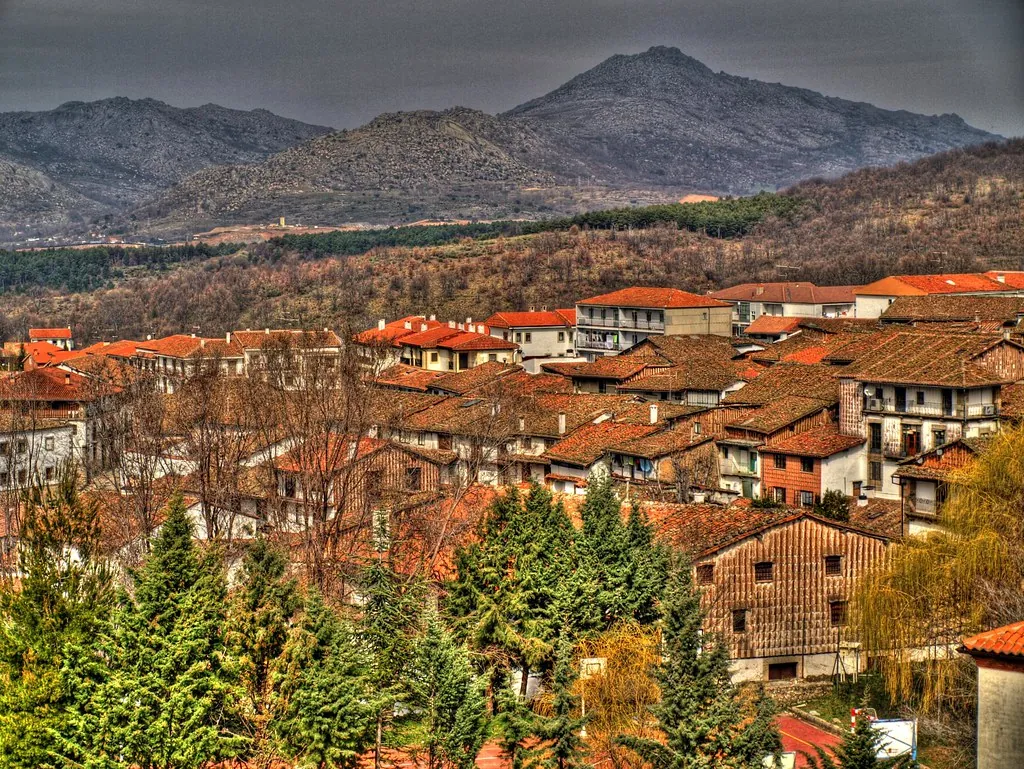
Stone houses shoulder against each other along streets barely wide enough for a modern car. The builders used what the mountain provided: rough granite for walls, dark slate for roofs, timber hauled from the forests that cloak these slopes. Walk uphill from the church and you'll notice how the older residents have arranged themselves on kitchen chairs outside their front doors, positioned to catch the sun as it creeps over the ridge. They'll acknowledge your presence with a nod, nothing more. This is cattle country, not cocktail country.
The Mountain Makes the Rules
Weather here doesn't mess about. Spring arrives late and departs early, painting the hillsides an almost Irish green before retreating from summer's heat. Autumn transforms the chestnut forests into something resembling a Northumberland woodland in October, all copper and bronze. Winter can be brutal—when snow comes, it settles properly, cutting the village off for days. The locals stock up like Scandinavians, and the steep roads become impassable without chains. Summer mornings are fresh enough to warrant a jumper, though by midday the sun burns fierce enough to send sensible people indoors for siesta.
The sierra dominates everything. Peaks topping 2,000 metres loom to the south, creating their own weather systems. Clouds pile up against the slopes, releasing sudden downpours that send streams cascading down the lanes. These same slopes mean the village faces north, catching less sun than its southern neighbours. It's why the houses have those massive chimneys—winter fires burn for months, not weeks.
Walking Into the Past
Forget waymarked trails and visitor centres. Here, you follow the paths that connected these mountain settlements for centuries. One track drops down through sweet chestnut woods towards the valley floor, crossing streams where the water runs so cold it numbs your fingers in June. Another climbs steeply towards the ridge, where views open across to the distant plains of Salamanca province. The going can be rough—some paths disappear under bracken, others have been swallowed by bramble thickets. Ask at the village bar about conditions before setting out. They'll tell you straight if a route's become impassable.
October brings mushroom hunters, locals mostly, who know exactly where the best ceps grow and guard their spots like state secrets. The rules are simple: take only what you'll eat, leave the small ones, and never, ever pick anything you can't identify with absolute certainty. Every year someone ends up in Salamanca hospital having misjudged a parasol for something more sinister.
What Passes for Entertainment
The church bell still marks the hours, though its tolling carries less urgency than in centuries past. Inside, the building is plain to the point of austere—no baroque excess here, just thick stone walls and small windows designed to keep out the cold as much as let in divine light. Sunday mass continues, attended by the faithful and those seeking company rather than salvation.
Beyond that? There's the bar, inevitably. It serves coffee that could strip paint and beer that's cold enough to make your teeth ache. Food runs to the substantial: thick stews heavy with pork and beans, potatoes revolconas (mashed with paprika and topped with crispy bacon), local sausages that taste of smoke and mountain herbs. Don't expect a menu—what's cooking is what's available, and when it's gone, it's gone.
The annual fiesta in August transforms the place. Former residents return from Madrid and Barcelona, swelling the population and filling the streets with conversation that's been stored up for months. There's a procession, naturally, and dancing in the square until the small hours. For three days, Navacarros remembers what it feels like to be young.
The Practical Reality
Getting here requires commitment. Salamanca lies 70 kilometres distant, but those kilometres include some serious mountain driving. The final approach involves narrow roads with alarming drops and hairpin bends that would test a rally driver. In winter, add ice and occasional snowdrifts to that mix. Public transport? Forget it. You'll need a car, preferably one with decent ground clearance and heating that actually works.
Accommodation within the village itself is limited to a couple of rural houses rented out to visitors who've done their research. Hotel Rural Vistahermosa sits just outside the centre, offering simple rooms with views across the valley. Alternatively, El Molino de Candelario in the neighbouring village provides more comfortable quarters if you don't mind a short drive. Book ahead—this isn't the sort of place where you can turn up and expect a room.
The nearest cash machine is fifteen kilometres away in Béjar. Cards are accepted nowhere in Navacarros. The village shop keeps odd hours, opening when the owner's finished her morning coffee and closing when she fancies her afternoon rest. Stock up properly before you arrive.
When to Cut Your Losses
This place isn't for everyone. If you need constant stimulation, nightlife beyond the occasional fiesta, or restaurants with Michelin aspirations, stay away. The silence can feel oppressive after dark, broken only by dogs barking at shadows and the occasional owl. Mobile reception is patchy at best, non-existent in places. Rain can set in for days, turning paths to mud and tempers sour.
But if you're content with simple pleasures—mountain air that tastes clean enough to bottle, walks where you might meet more wild boar than people, evenings watching the sun set behind peaks that have seen off Roman legions and Napoleonic armies—then Navacarros delivers. Just don't expect it to make a fuss about it. The mountain's been here longer than any of us, and it'll still be here when we've all gone home.