Full Article
about Vallejera de Riofrío
One of the highest municipalities; meadow and mountain landscape
Hide article Read full article
A quiet rhythm in the mountains
By mid-morning in Vallejera de Riofrío, the quiet tends to break in two very specific ways: the creak of pine trees when the wind picks up, and the thread of water from a stream running just below the village. Light arrives from the east and slides across dark stone façades and slate roofs. With around 67 residents and sitting at over a thousand metres on the northern slope of the Sierra de Béjar, life here follows a pace closer to fieldwork than to anything happening on nearby roads.
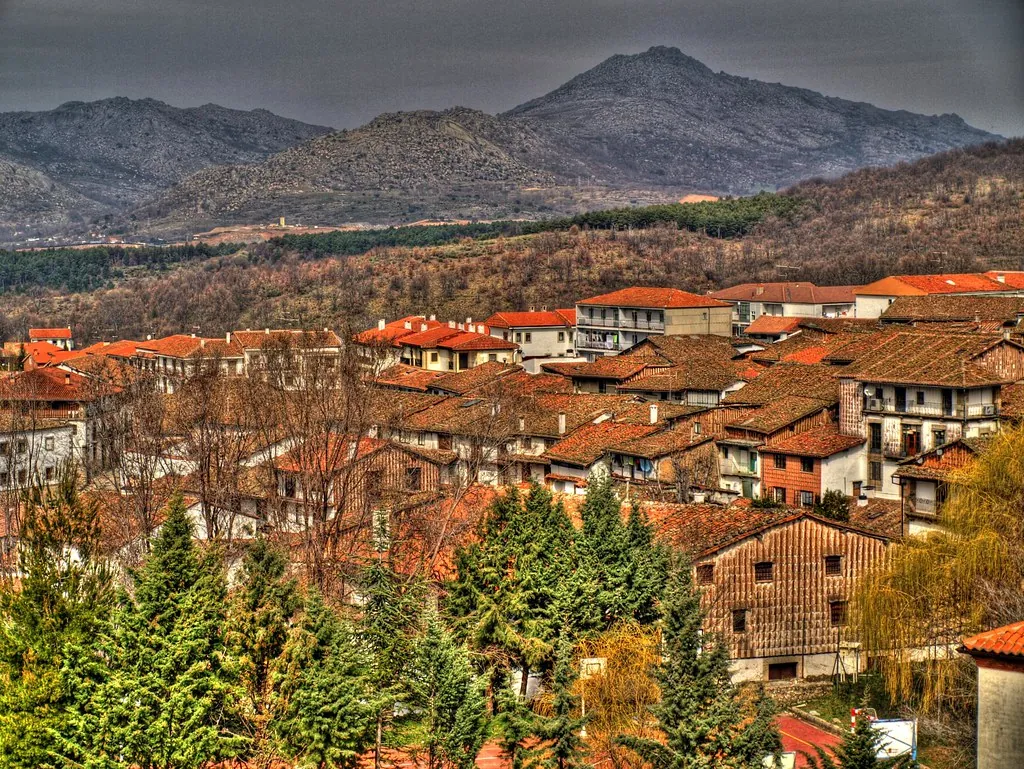
The streets are narrow and cobbled, shaped for slow movement rather than urgency. Many walls carry marks left by water and winter cold. There are thick wooden gates, enclosures built from dry stone, and small courtyards where vines or climbing plants offer shade in summer. At the centre stands the parish church, modest and simple in its lines. It does not dominate the village; it feels more like part of it.
A village set into the hillside
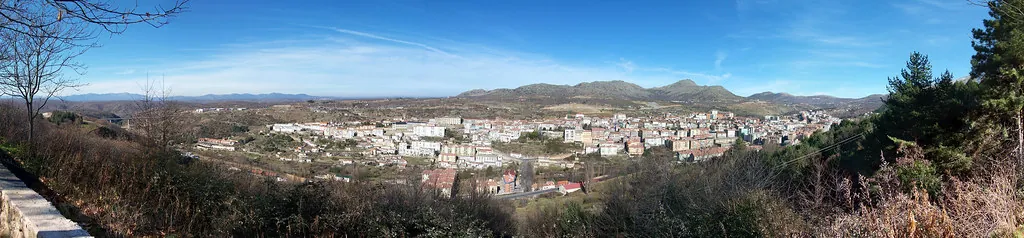
The landscape sets the rules here. Vallejera leans into the slope and looks out over meadows and small watercourses descending from the sierra. In spring, ash and chestnut trees shift in tone almost week by week. The first leaves show a very light green, then deepen as May moves on. By summer, the scenery becomes darker and denser.
On clear days, the higher peaks of the Sierra de Béjar come into view from the edges of the village, rising comfortably above two thousand metres. Birds of prey sometimes circle over open ground. At dawn or towards evening, it is not unusual to spot a roe deer crossing nearby meadows. Seeing them requires patience: slow steps and little noise.
Paths that begin at the last houses
Several rural tracks start right where the final houses end, linking Vallejera with open grassland, chestnut groves and other villages in the sierra. These are wide paths, the kind used for centuries by livestock and carts. In summer they are easy to walk. In autumn, after a few days of rain, mud appears quickly, so sturdy footwear with a good grip becomes important.
Mushroom picking forms part of the local rhythm when the first autumn rains arrive. It is common to see people heading into the nearby pinewoods with a basket and a small knife. Even so, caution matters. If the species are not well known, it is best not to collect anything. In this area there are níscalos and boletus, alongside other varieties that look too similar for comfort.
Winter on the northern slope
When snow falls, which happens several times in some winters, the landscape changes completely. Paths become covered and sound is muffled. During those weeks, some people walk the hillside tracks using snowshoes, although this depends entirely on how the season unfolds each year. The cold is noticeable here. Before heading out, it makes sense to check the forecast carefully and expect ice in shaded areas.
Food and a day outdoors
Cooking in the area follows a tradition of slow heat and substantial dishes. Legumes are common, as are patatas meneás, a local potato dish, along with roasted meats, often cabrito, and cured products from the matanza, the traditional pig slaughter. In villages of this size, services are not always available throughout the year, especially on weekdays or outside the summer period. Anyone planning to spend several hours walking in the hills will usually find it practical to bring food and water from the outset.
When Vallejera feels different
Spring and early autumn tend to be the most rewarding times to visit. In spring, the meadows turn intensely green and water runs strongly through the streams. Autumn brings the colours of the chestnut trees and the quiet activity of mushroom gatherers.
August has a different feel. Families who live elsewhere return, and the village celebrates its patron saint festivities. There is more movement in the streets, more parked cars, and long conversations at doorways. Those who prefer a calmer atmosphere often choose weekdays outside that period.
Vallejera de Riofrío is not defined by major monuments. It is a small mountain village where the landscape reaches into the streets, and where the day is measured by shifting light through the pines and the steady sound of water making its way down towards the valley.