Full Article
about Cereceda de la Sierra
Known for Pico Cervero and spectacular mountain views.
Ocultar artículo Leer artículo completo
The stone water troughs still run. Not as museum pieces behind rope barriers, but as they have for generations—cold mountain water trickling through Cereceda de la Sierra's three streets, providing the soundtrack to a village where 55 residents maintain rhythms that predate smartphones. At 970 metres above sea level, this Salmantino outpost doesn't so much welcome visitors as tolerate them, provided they understand the local tempo: conversations happen in doorways, lunch stretches until teatime, and nobody's in a rush to be anywhere else.
The Architecture of Survival
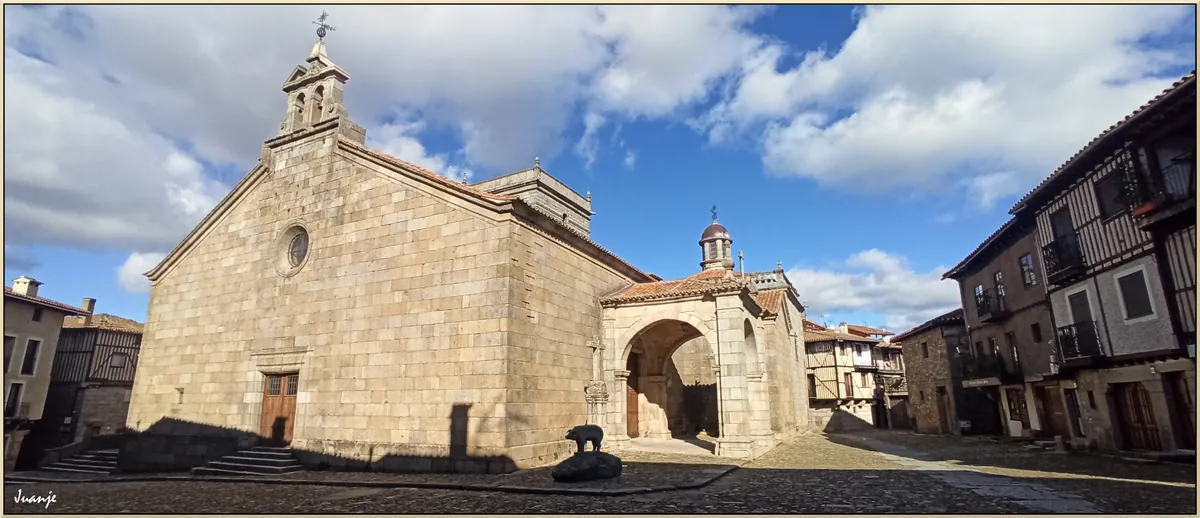
Cereceda's buildings tell their own story of making do. Granite walls two feet thick keep interiors cool through summer's dry heat and retain warmth when winter brings snow that can cut the village off for days. Wooden balconies, painted the same municipal green found across rural Spain, sag under the weight of geraniums and decades of laundry lines. The church tower, modest compared to Salamanca city's sandstone grandeur, nonetheless dominates the skyline—a reminder that these mountain communities built their highest structures to God's glory rather than their own.
Walk the single road that loops through town and you'll spot the tell-tale signs of a place that nearly didn't make it. Half the houses stand empty, their shutters permanently closed, bought by city families who visit twice a year. But alongside them, proper residents have learned to adapt: the old schoolhouse became someone's home, the bakery's ovens now heat a living room, and every south-facing roof sprouts solar panels—modernity arriving via Chinese manufacturing rather than Madrid policy.
The surrounding landscape explains why people stayed. Ancient sweet chestnuts, some over three centuries old, create a canopy that supports a micro-economy of mushroom hunting, chestnut gathering, and enough firewood to keep the cold at bay. Oak and ash fill the gaps, while clearings reveal views across the Sierra de Béjar that on sharp winter mornings stretch fifty miles. This isn't wilderness—every tree, path and field boundary speaks of continuous human management since the Reconquista.
Walking Into the Past
Three footpaths radiate from the village centre, following routes that predate the motorcar. The track to Valero, three kilometres north, drops through chestnut woods before climbing to an abandoned hamlet where stone walls still mark vegetable gardens gone wild. Morning walkers might spot wild boar tracks in muddy sections, while evenings bring deer to field edges—though you'll need patience and a seat by the trail to catch them.
The path south towards La Alberca provides the better hike. Six kilometres of steady descent through changing forest types, ending at a ford that becomes impassable after heavy rain. The return journey, all uphill, explains why Cereceda's residents developed legs like mountain goats. Don't attempt this in July's midday heat—temperatures might reach 35°C in the valley while the village stays comfortable at 25°C. Spring and autumn offer the best conditions, particularly October when the chestnuts turn copper and the mushroom hunters emerge with their secret spots and family recipes for setas a la plancha.
Navigation requires attention. Painted yellow arrows, the camino's traditional marking system, appear sporadically. More reliable are the cairns built by local shepherds and the unmistakable evidence of centuries of hoof and boot traffic. Mobile signal drops out within five minutes of leaving town—download offline maps before setting out, or better yet, buy the 1:25,000 Salamanca provincial map from the tourist office in Mogarraz, fifteen kilometres away.
The Economics of Endurance
Friday remains market day, though "market" overstates things. One van brings fish from the Atlantic coast, another sells hardware from Valladolid, and the baker from Villanueva del Conde arrives with trays of hornazo—the regional meat pie that sustains field workers through long mornings. Queue early for the best selection; by 11:30am the van's heading to the next village and your lunch options shrink to whatever you've brought with you.
The village's two bars operate on Spanish time, which means opening hours remain theoretical concepts. One serves proper coffee until 2pm, after which it becomes whoever's bought the owner's cousin a drink. The other does better food—patatas meneás (potatoes fried with paprika and onion) costs €4 and arrives in portions that would shame a London gastropub. Both close randomly, often for entire weeks during fiesta season or when someone's grandchild graduates in Salamanca. Bring emergency snacks and consider any meal served as a bonus rather than a right.
Accommodation presents similar challenges. Nobody's built a hotel here, and the nearest casa rural sits two kilometres outside the village proper—an converted grain store that sleeps six and costs €80 per night minimum. Booking requires phoning Señora Carmen, who speaks only Spanish and might be in the fields when you call. Alternative options cluster in La Alberca, twenty minutes by car, where competition between eight establishments keeps prices reasonable at €60-90 for doubles, including breakfast.
Seasons of Silence
Winter transforms Cereceda into something approaching a medieval painting. Snow arrives from November through March, sometimes dumping thirty centimetres overnight. The road from the valley becomes treacherous—chains essential, 4x4 recommended. But those who make the journey find a village suddenly busy with returning families, wood smoke perfuming air so cold it hurts to breathe, and a silence so complete you can hear your own heartbeat echoing off stone walls.
Spring brings the most reliable weather. April sees wildflowers paint meadows purple and yellow, while May delivers temperatures perfect for walking—cool mornings giving way to warm afternoons that never tip into uncomfortable heat. This is also when the village's population temporarily doubles, as adult children return to help with planting and to check elderly parents survived winter's isolation.
Summer divides opinion. July and August turn the valley into an oven, but altitude keeps Cereceda bearable. British visitors used to Mediterranean Spain's coast might find the 28°C afternoons pleasantly warm, though locals retreat indoors during peak sun. August's fiesta brings the year's only real crowds—former residents return from Madrid and Barcelona, filling houses and creating the village's sole traffic jam as everyone attempts to park on streets designed for donkeys.
Autumn delivers the golden months. September maintains summer's warmth without the intensity, perfect for long walks that finish as the sun sets behind the western ridges. October's chestnut harvest sees families working ancient orchards, gathering nuts that will appear roasted at winter gatherings or ground into flour for cakes that taste of earth and smoke. November's first frosts clear the air, revealing views that stretch to Portugal on the clearest days, before the cycle returns to winter's quiet endurance.
Cereceda de la Sierra doesn't offer Instagram moments or bucket-list ticks. Instead, it provides something increasingly rare: a place where Spain continues as it always has, indifferent to tourism's whims and timelines. Come prepared for that reality—bring walking boots, patience, and enough Spanish to order beer and ask directions—and you'll discover why some villages don't need saving from the modern world. They just need visitors willing to adjust to their rhythm rather than demanding the reverse.