Full Article
about Huerta de Rey
Mountain village known for its unusual names and its pine and juniper woodlands.
Hide article Read full article
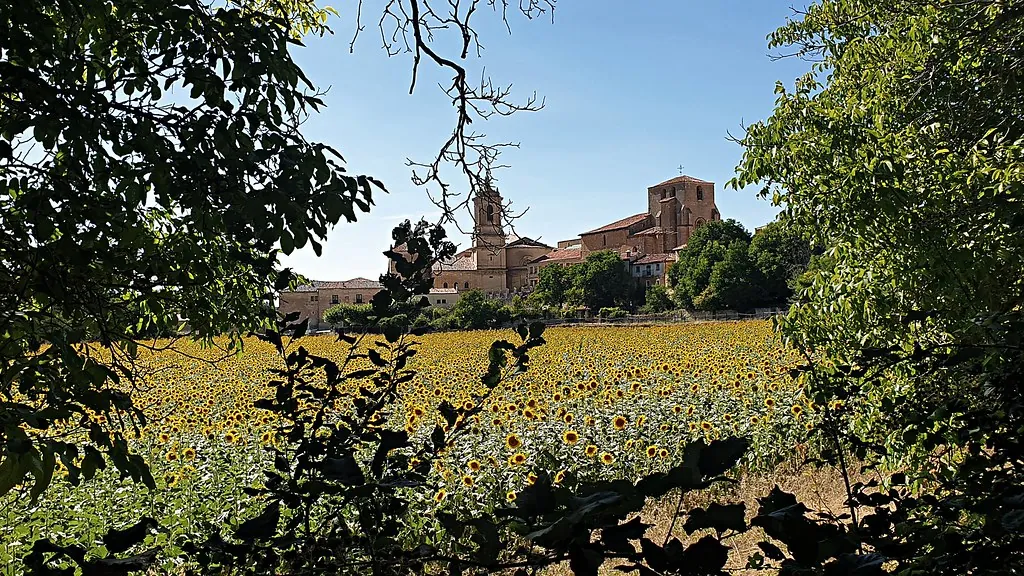
Huerta de Rey es como la casa de un amigo que vive en la montaña. No tiene un salón para recibir visitas. Tiene el salón en el que vive, con sus cosas, y tú llegas y te sientas donde hay sitio. Así es este pueblo burgalés en la Sierra de la Demanda. No hay atracción principal ni espectáculo preparado. Lo que hay es lo que ves: calles que suben y bajan sin mucho plan, casas de piedra y adobe pensadas para aguantar el invierno, y el bosque literalmente al final de la calle.
La gracia está en eso. En que no tienes que buscar lo interesante. Ya estás en ello.
Un paseo sin mapa
Lo mejor es aparcar y empezar a andar sin rumbo. Las calles se estrechan, aparecen patios interiores, corrales viejos. La arquitectura aquí no es decorativa. Es práctica. Muros gruesos, ventanas pequeñas, tejados a dos aguas para que la nieve resbale. Todo construido con lo que había cerca.
La iglesia parroquial tiene partes antiguas, con ese aire del románico rural castellano. Pero como muchas por aquí, ha ido cambiando con los siglos. Se nota en las reformas superpuestas a la piedra original. No es un monumento perfecto. Es un edificio que ha ido creciendo con el pueblo.
No hay una ruta marcada ni puntos imprescindibles que fotografiar. El interés está en los detalles cotidianos: cómo se agrupan las casas contra la ladera, cómo un callejón te lleva a otra cuesta, cómo el pueblo se adapta al terreno en lugar de dominarlo.
El bosque no es un adorno
En muchos sitios la naturaleza es un añadido turístico. Aquí es el taller, la despensa y el camino a casa. A cinco minutos andando desde las últimas casas ya estás entre pinos y robles.
Hay pistas forestales que llevan años usándose, algunas señalizadas y otras no tanto. Es el tipo de terreno donde caminas un rato entre árboles y de repente se abre una vista amplia de toda la sierra.
El clima aquí manda. Los inviernos son largos y fríos de verdad, y eso se nota en todo: en cómo están construidas las casas, en cuándo se sale al monte, en el ritmo general del lugar.
Setas sí o sí
Si preguntas por el otoño en Huerta de Rey, casi todo el mundo te hablará primero de setas antes que del paisaje. Recoger níscalos es una tradición seria por estos montes.
Pero ojo, no siempre sale bien. Algunos años los bosques están generosos; otros años apenas sale nada. No hay garantías. Si el verano ha sido seco, las cestas de octubre lo notan.
La dinámica suele ser madrugar, caminar bastante y volver con lo que haya dado el monte ese día. A veces llenas la cesta; otras vuelves con cuatro níscalos y ya está. La actividad en sí ya forma parte del año.
Comida para gente que trabaja fuera
La cocina local va directa al grano: platos contundentes para días fríos o jornadas largas en el campo. El cordero asado es clásico en toda la provincia, pero por aquí también encontrarás guisos de legumbres, setas de temporada y pan hecho como se ha hecho siempre.
No es una gastronomía complicada ni pensada para impresionar a nadie. Los ingredientes son los de siempre y las recetas se han repetido durante décadas en muchas cocinas.
Lo que hay en la mesa depende mucho del momento del año y de lo que den los campos, los rebaños y el bosque justo entonces.
Lo demás aparece mientras caminas
Alrededor del pueblo verás ermitas pequeñas, cruces junto a los caminos y construcciones rurales desperdigadas por el monte. Algunas están cuidadas; otras medio abandonadas.
Las fiestas locales siguen celebrándose cuando toca: procesiones, reuniones de vecinos, puestos con productos de la zona… Son ese tipo de eventos donde casi todos se conocen y donde quien llega desde fuera asiste a algo que existe principalmente para los propios habitantes.
No son espectáculos montados para turistas sino celebraciones comunitarias donde participan varias generaciones del pueblo.
Una parada tranquila
Huerta de Rey no intenta sorprenderte ni llenarte la agenda cultural.No tiene grandes museos ni monumentos para pasar toda una tarde viéndolos.Lo que ofrece es más sencillo: ser un pueblo de montaña que sigue funcionando como tal.Llegas,paseas,miras hacia las lomas cercanas,y enseguida entiendes cómo se ha organizado aquí la vida durante generaciones.La escala es modesta.El ritmo,pausado.La sierra está siempre presente:en la forma de las calles.en el grosor de los muros.en lo que lleva una cesta en otoño.A veces hacer turismo rural consiste simplemente en pasar unas horas en un sitio que no necesita adornos para ser él mismo.En Huerta De Rey El interés está menos En marcar lugares En Un mapa Y Más En observar Cómo Una comunidad pequeña sigue adaptándose A Su entorno En La Sierra De La Demanda