Full Article
about Altos Los
Ocultar artículo Leer artículo completo
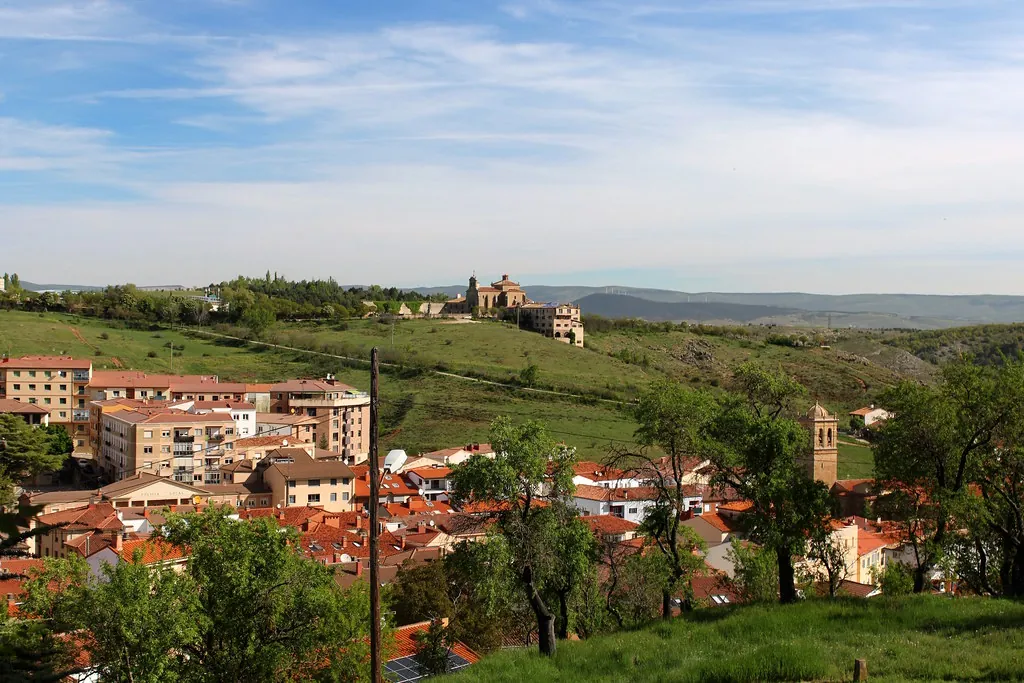
At 940 metres above sea level, the mobile-phone signal in Altos Los flickers like a shy candle. One bar appears, vanishes, then reappears as if undecided whether the twenty-odd houses scattered along the ridge are worth the bother. The village sits on the northern lip of the Meseta, thirty-five bone-rattling kilometres north-west of Burgos, and the plateau wind arrives with nothing to slow it down since the Cantabrian coast. Locals claim that on clear days you can count seven different shades of gold in the wheat belt that unrolls below the escarpment; what they don’t mention is that clear days are the minority, and the rest of the time the horizon dissolves into a pale, dust-laden haze that makes even the buzzards look lost.
Adobe, Wind and the Smell of Rain on Earth
Houses here are built from what lies underfoot: ochre clay mixed with straw, pressed into blocks the size of a bread loaf, then left to bake on the very ground they will later wall in. The technique survives because no one has found a cheaper way to keep out a winter that can dip to minus twelve. Roofs are topped with conical chimney pots, each wearing a home-made hat of curved tile to stop the draught reversing the smoke. There is no architectural unity ordinance; instead, successive generations have patched, enlarged and buttressed until the street edge looks like a set of teeth that have never seen an orthodontist. Walk the single paved lane at seven in the morning and you will meet three dogs, two tractors and Señora Celemín sweeping yesterday’s dust across her threshold with a broom of rice-straw. She will nod, perhaps offer a “buenos días”, then return to the rhythm of bristles on stone. Nothing else happens, and that is the point.
The parish church of San Millán keeps its doors unlocked, though the iron latch groans loud enough to alert the whole barrio. Inside, the temperature drops five degrees at once. A single 40-watt bulb dangles above the altar, illuminating a twelfth-century font that was hauled up from the river after a flood and never quite fitted back into its original niche. Sunday mass is at eleven, attended by eight regulars and whoever is passing. The priest drives in from Humada, arrives late, and leaves the keys under a flowerpot so the building can serve as an unofficial refuge for walkers caught in the thunderstorms that brew over the Sierra de la Demanda without warning.
Walking Lines Across an Empty Map
Every path begins as a farm track and ends as a question mark. The GR-87 long-distance footpath skirts the village for 3.2 km, but the way-marking is so discreet that most hikers stride past the turning and have to backtrack after meeting the cement factory access road, a dead-end scented hotly of gypsum. Better to buy the 1:50,000 Adrados map from the petrol station in Belbimbre and simply invent a loop: south past the abandoned threshing circles, east along the livestock drovers’ lane, then north again on the old drove road that once took merino sheep to summer pastures in the Picos. Underfoot you get a geology lesson in three kilometres: red Cretaceous sand, chalky marl that sticks to boots like wet toothpaste, and finally the quartzite that produces the metallic click under tractor tyres. Spring brings poppies in reckless scarlet, but also clouds of pine-processionary caterpillars whose toxic hairs can blister skin; long trousers are wiser than shorts, whatever the thermometer says.
Bird life is the compensation for the absence of cafés. Calandra larks rise vertically, singing as if paid by the note, while hen harriers quarter the cereal stubble with the patience of bored border guards. Bring 8×32 binoculars; anything stronger exaggerates the heat shimmer and turns distant kestrels into UFOs. Dawn starts at 06:15 in mid-May, accompanied by a sound like tearing paper: that is a nightjar clapping its wings to warn rivals off the clearing where you are standing. Stay still for five minutes and the bird will forget you exist, gliding past your ear close enough to feel the draught.
Eating What the Field Yielded Yesterday
There is no restaurant in Altos Los. The only commerce is a combined bakery-grocery that opens 09:00–11:00 and 17:00–19:00, unless María’s granddaughter has a school recital, in which case a hand-written note on the door reads “vuelvo pronto” and you are on your own. Stock up accordingly in Burgos: the Mercadona opposite the bus station sells good local cheese ( cured at least sixty days, £14 a kilo) and a robust red from the Arlanza valley that costs €6 and tastes twice the price. If you are staying overnight, ask at the ayuntamiento for the key to the municipal albergue; it has four beds, a kettle and a shower that delivers three minutes of scalding water before turning Arctic. The donation box suggests €8; no one checks whether you pay, but the next walker will curse if the fund runs dry and the boiler breaks.
For a proper meal you must drive, cycle or thumb a lift 17 km to Sasamón. There, Casa Galín serves lechazo castellano – milk-fed lamb roasted in a wood-fired clay oven whose interior is blackened to the colour of a meteorite. A quarter portion feeds two greedy adults and comes with a simple lettuce-and-onion salad dressed in vinegar sharp enough to make your eyes water. Lunch is 13:30–15:30; arrive at 13:31 and you will queue behind coach parties from Bilbao. Arrive at 15:15 and the waiter, Jesús, may let you have the remaining slices for half price, but do not count on it.
When to Arrive, and When to Stay Away
April and late-September gift you 20 °C at noon and cool bedrooms at night, plus skies scrubbed by Atlantic fronts that have run out of rain over the Cantabrians. In July the thermometer can touch 36 °C; shade is scarce because the only trees are regimented lines of poplars planted to stop the soil walking off, and they throw shadows the width of a ruler. August brings fiestas: one evening of fireworks, two of outdoor dancing to a sound system run by a man who believes volume compensation for talent, and a procession behind a statue of the Virgin that starts at the church, does a circuit of the wheat silos, and ends with free chorizo sandwiches and warm cola. Book accommodation then, or you will sleep in your hire car while the village teenagers use the bonnet as a drum.
Winter is a different contract. Snow is not guaranteed, but when it arrives the road from the N-234 is closed within two hours and the Guardia Civil divert traffic through a detour that adds 45 minutes. Daytime highs hover just above freezing; the wind finds every zip that is not fully closed. Yet the reward is near-total silence. Stand on the escarpment at dusk and the only sound is the soft squeak of powder snow shifting under your boots. The lights of Burgos glitter 30 km away, looking closer in the thin air, but between you and them lies nothing but darkness and the occasional blink of a tractor lamp as someone brings the sheep in. It is exhilarating, as long as you have a full tank and a thermos of coffee laced with something stronger.
Getting Here, and Getting Out Again
There is no railway. ALSA runs one daily bus from Burgos bus station at 14:15, arriving 15:27; the return leaves Altos Los at 06:50, which means either a pre-dawn hike to the stop or spending your last night on the plastic bench outside the bakery. A taxi from Burgos costs a flat €55 – pricey, but if you are three people it stings less than the €22 daily car-hire surcharge for dropping the vehicle in a different region. Petrol is usually two cents cheaper at the independent station in Pedrosa de Duero, 12 km east, so fill up before heading back to the autopista where prices jump to motorway levels.
The Last Word
Altos Los will not change your life. It has no souvenir shops, no Michelin mention, no ruins to Instagram. What it offers is a calibration of scale: more sky than you have seen since the North Sea, more time between events than your calendar thought possible. Come prepared – with food, water, waterproof, map – and the plateau will repay you in small, durable memories: the smell of rain on parched clay, the moment a shrike impales a beetle on a barbed-wire thorn, the realisation that somewhere in Europe still allows you to stand still long enough to hear your own pulse. Forget to bring supplies, and the same wind that inspired the village name will escort you back to the main road faster than you can say “remind me why I came”. Either way, the lesson is the same: here, the landscape makes the rules, and visitors are temporary punctuation in a sentence that started long before we arrived.