Full Article
about Anguix
Ocultar artículo Leer artículo completo
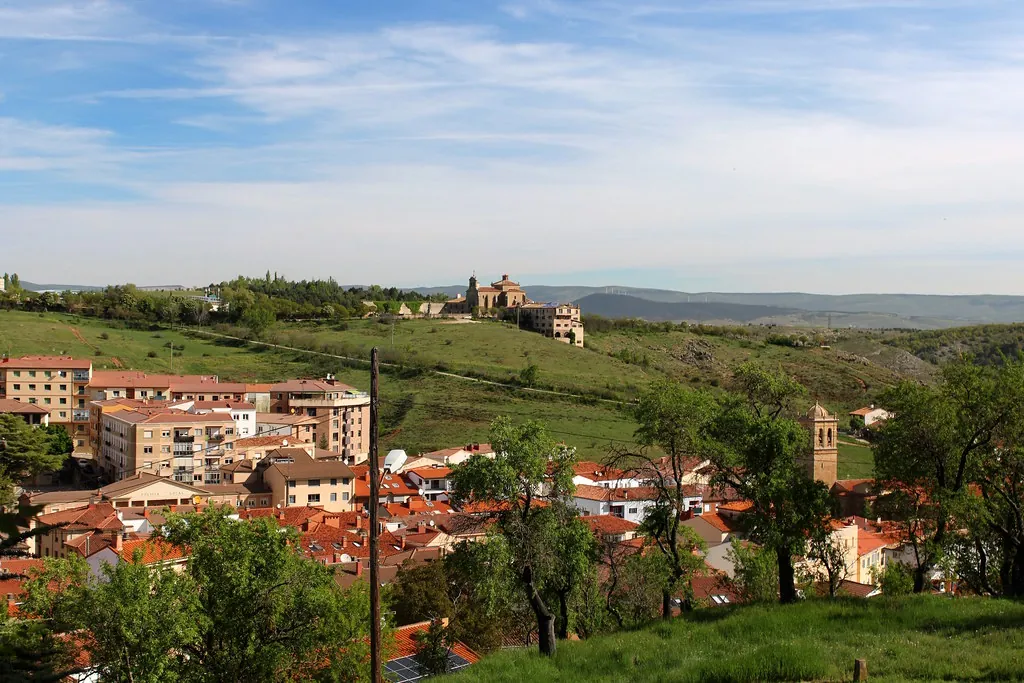
The thermometer on the car dashboard drops eight degrees in the final ten kilometres. At 945 m above sea level, Anguix sits high enough for the air to sharpen the lungs and for the Duero plain to unfurl below like a rumpled brown quilt stitched with vine rows. There is no dramatic approach, no ravine or crag—just a quiet left turn off the BU-901 and the village materialises: stone, adobe, red-tile roofs, all tilting slightly towards the church tower.
A Village that Closes at Two
Anguix is not pretending to be anything grander than what it is: a farming settlement of ninety-seven permanent residents, plus dogs and tractors. By 14:00 the only sound is the clang of a single bar shutter. The tiny grocery-colmado opens Tuesday and Thursday mornings, sells tinned tomatoes, tinned beans, tinned tuna, and little else. Bring bread, milk, and cash—no ATM, no card machine, no petrol. The last bank machine is twelve kilometres away in Hortigüela; the nearest fuel pump is twenty-five kilometres south in Aranda de Duero. If you arrive after dusk with the fuel light blinking, you will spend the night whether you planned to or not.
What the village does offer is space to breathe. Streets are barely two cars wide, cobbles polished smooth by centuries of cartwheels. Houses grow straight from the rock: lower walls in limestone, upper in russet adobe, wooden balconies painted the same ox-blood red you see across rural Burgos. Look for the coat of arms carved above number 14 Calle Real—an eighteenth-century nod to a local family who made enough money in the Indies to build a bigger doorway than their neighbours. Five minutes of wandering and you have seen the core; ten and you have circled the perimeter. The pleasure is in the repetition: stone, sky, vine, sky, stone.
Cellars You Cannot Enter (but Should Still Look For)
Anguix sits on a gentle south-facing ridge; the hill behind it is riddled with man-made caves. From the lane above the cemetery you can pick out the tell-tale masonry chimneys poking through the scrub like periscopes. These are the bodegas subterráneas, family wine cellars dug into the soft limestone. Temperature inside stays a constant 12 °C winter and summer—perfect for ageing tinto fino, the thin-skinned Tempranillo clone that built the Ribera del Duero empire. Most entrances are padlocked; a few owners will unlock if you ask in the bar, but do not expect tasting notes or gift-shop frills. What you get is a clay floor, a rough-hewn ceiling, and perhaps a plastic jug drawn from a 500-litre oak cask. The wine is young, tannic, purple at the rim—rustic, but it costs nothing and travels badly.
If you want labels, drive ten minutes to Aranda where Bodegas Ismael Arroyo or Cillar de Silos will charge €12–18 for a guided visit. Anguix itself is better treated as the antechamber: come here to clear the head after too much barrel talk.
Walking Off the Wine
The GR-14 long-distance path clips the village edge, but you need only follow it for twenty minutes to leave the last tractor behind. Tracks braid through wheat and barley until they hit the first vineyard terraces; from there the trail rises 200 m to a low ridge known locally as El Castrejón. No castle ever stood here—just wind and 360-degree views. To the south the Duero glints silver; to the north the pine-dark Sierra de la Demanda still holds pockets of April snow. Round trip is 7 km, easy underfoot, but carry water: the only fountain is back in Anguix and shade is theoretical.
Spring and autumn are the comfortable seasons. May mornings hover around 10 °C, afternoons peak at 22 °C; October reverses the numbers and adds the smell of crushed grapes. July and August are fierce—midday hits 34 °C and the flies own the paths. Winter brings proper mountain cold: night frosts of –8 °C, occasional snow that lingers a week, and roads the council grades “when we get round to it”. A 4×4 is sensible between December and March; otherwise park at the top of the hill and walk down.
One Bar, One Church, One Weekend Roast
The only public hearth is Bar Anguix, open Friday evening, Saturday, and Sunday. Order the olla podrida only if you like your beans smoky and your pork abundant; ask for “sin morcilla” if black pudding triggers childhood school-dinner flashbacks. The owner also cooks lechazo—milk-fed lamb—on vine cuttings in a brick oven out back. Half a kilo feeds two, costs €24, and arrives with nothing more than a hunk of baguette and a wedge of under-ripe tomato. Wine is whatever the house has bought in bulk from the cooperative: €2.50 a glass, €8 a bottle, decanted into an unlabelled green glass flask. Vegetarians should bring supplies and use the bar for coffee; the nearest decent vegetarian restaurant is 60 km away in Valladolid.
The church of San Esteban keeps the same timetable as the bar—unlocked only for mass and fiestas. Peek through the iron grille and you will see a single nave, whitewashed walls, a sixteenth-century Gothic rib vault over the altar. The retablo is nineteenth-century neo-plateresque, gilded to within an inch of its life, but the real treasure is the Romanesque baptismal font: a rough limestone bowl hacked from a single block, still bearing the mason’s chisel marks. If you want to step inside, ask for the key at number 7 across the square; the caretaker appreciates a €1 coin for candle funds.
When the Village Comes Back to Life
Anguix celebrates its patron, San Esteban, on 26 December. The date is no accident: winters are long and the village needs an excuse to congregate. Visitors who brave the drive through possible snow will find a mesa popular—long tables laid in the street, everyone bringing their own plate and spoon. The council supplies vats of cocido and free-flowing Ribera. Fireworks bounce off the surrounding stone walls at midnight; neighbours you never knew existed appear from houses that looked abandoned. Music is a playlist on a laptop, volume turned up until the speakers distort. By 02:00 the temperature is –5 °C, but nobody has moved indoors.
A smaller August fiesta marks the exodus of summer migrants—grandchildren of locals who now live in Valladolid or Madrid. The programme is printed on a single A4 sheet: foam party for kids, bingo for the pensioners, outdoor screening of a Spanish dubbed Marvel film. It feels like a school reunion where nobody quite remembers your name but they offer a beer anyway.
How Long Should You Stay?
One night lets you watch the sun drop behind the vines, eat lamb, drink rough wine, and count shooting stars without light pollution. Two nights risk the realisation that you have finished the village before breakfast. Use Anguix as a pivot: mornings on the ridge, afternoons in Aranda’s wine cellars, evenings back on the balcony with cheese from Burgos and a €4 bottle bought at the cooperative gate. The nearest interesting towns—Peñaranda de Duero with its castle, Covarrubias with its collegiate church—are thirty minutes away. String them together and you have a long weekend that tastes of Castilla without the tour-bus shuffle.
Leave before Sunday lunchtime if you are driving to Santander or Bilbao; the BU-901 narrows to a single track in places and tractors have right of way. Fill the tank in Aranda, stock up on water, and remember that phone signal dies two kilometres outside the village. Anguix will not change your life, but it might recalibrate your sense of quiet—and for the price of silence these days, that is already a bargain.