Full Article
about Balbases Los
Ocultar artículo Leer artículo completo
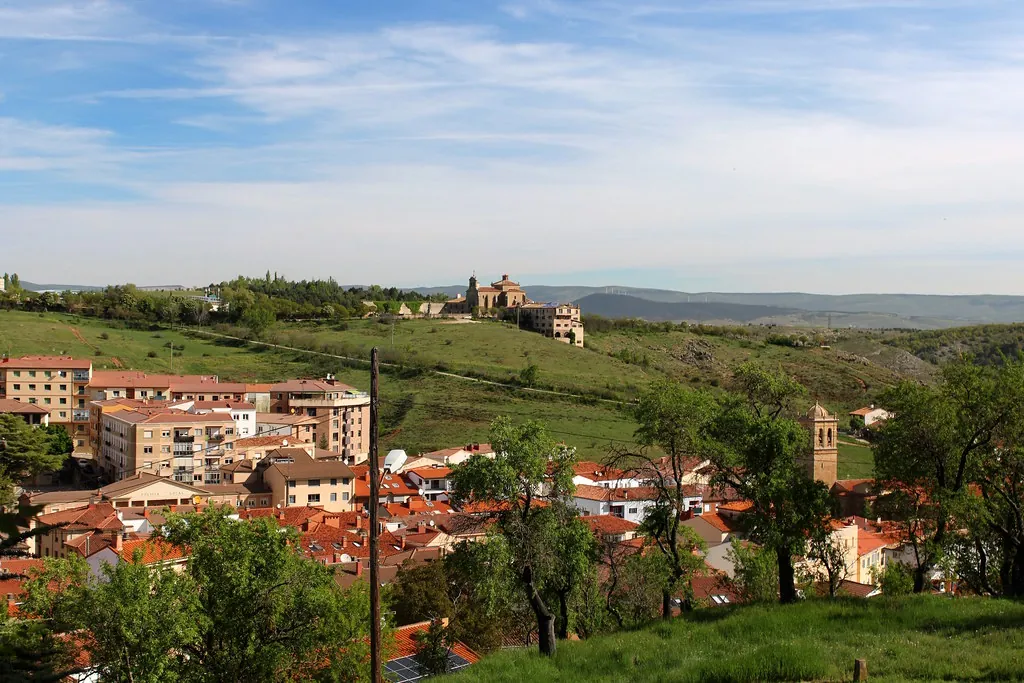
The church tower rises above wheat fields like a stone exclamation mark, visible for kilometres across the flat Burgos countryside. This is how most visitors first spot Los Balbases—not through a sat nav, but by following the vertical line that breaks the horizontal sweep of Castile's cereal belt.
This agricultural town of 5,000 souls sits where the plains start their gentle roll towards the Cerrato hills, forty minutes west of Burgos city. It's neither hidden nor undiscovered; rather, it's one of those places Spanish drivers flash past on the A-62, unaware they've just skirted a pocket of rural life that hasn't bent completely to tourism's will.
The Sunday Morning Test
Visit on a weekend and you'll understand why Spaniards use the phrase "pueblo grande" (big village) as shorthand for somewhere that still functions. The morning bread queue stretches out of Pastelería Reyes at 9am sharp, grandparents clutch canvas bags for the day's supplies. Teenagers loiter by the stone fountain in Plaza Mayor, phones in one hand, cigarettes in the other—same ritual their parents performed, minus the smartphones.
The parish church of San Pedro doesn't do timed entry or audio guides. Push open the heavy door and you'll find elderly women polishing brass candlesticks, chatting in that particular Castilian Spanish that drops consonants like hot coals. Their volunteer caretaking keeps the building alive between services, something no heritage lottery fund could replicate. Inside, the altarpiece shows its 17th-century colours despite centuries of candle smoke; look closer and you'll spot where Civil War bullets chipped the stonework during the town's brief moment on the front line.
What Grows Here
Los Balbases makes its living from what surrounds it: wheat, barley, sunflowers, and the occasional field of vetch for animal feed. The agricultural calendar dictates the town's rhythm more than any tourist season. April brings fluorescent green shoots; by July the landscape turns gold under threshing machines that work through the night. Autumn smells of straw and diesel, while winter strips everything back to soil and sky.
This honesty about primary production extends to the town's architecture. Stone houses with timber beams line Calle Real, their ground floors once housed animals alongside families. Many still have the original wooden doors wide enough for a cart—impractical for modern cars, so residents park on corners where medieval planners never imagined four wheels would need to turn.
The old wine cellars dug into hillsides north of town now store garden tools rather than vintages. Local wine production collapsed decades ago when Castilla y León's bulk market shifted to Ribera del Duero. What remains is a handful of family plots, bottled for household consumption and the occasional village fiesta.
Eating Without Fanfare
British visitors expecting tapas crawls will need to recalibrate. Los Balbases does set menus, served at set times, in set restaurants. Mesón La Vega opens for lunch at 1:30pm and dinner at 9pm—arrive at 7pm expecting "early bird" specials and you'll find locked doors and puzzled locals.
The €12 menú del día delivers three courses, bread, wine and coffee without ceremony. Morcilla de Burgos appears as starter or tapa, its rice filling a point of regional pride that locals will debate with the intensity of Scottish whisky distillers. Lechazo (roast suckling lamb) comes properly pink, carved tableside by waiters who've been doing this since Franco was in power. Vegetarians face the usual Castilian challenge: soup made with ham stock, vegetables cooked in pork fat, and the eternal question "but you eat jamón, right?"
For self-caterers, the Thursday market fills Plaza de España with stalls selling cheese from Aranda, chorizo from local pigs, and honey harvested within a 20-kilometre radius. The honey vendor keeps his hives near sunflower fields; the resulting sweetness carries a faint floral note that supermarket jars never achieve.
Walking It Off
Los Balbases sits at the junction of two marked walking routes: the Camino del Cid (following the legendary warrior's 11th-century campaigns) and a local agricultural circuit that connects three neighbouring villages. Both are flat, well-signed, and mercifully free of souvenir shops selling scallop shells.
The 12-kilometre loop to Villanueva de los Infantes takes three hours at British rambling pace, longer if you stop to identify birds. Keep binoculars handy: crested larks nest in roadside ditches while harriers hunt over fallow fields. The path follows farm tracks; when a tractor approaches, step aside onto the earth verge—drivers will wave, probably the only person you'll see all morning.
Cyclists find the same landscape ideal for gentle pootling rather than Strava segments. Road bikes handle the paved agricultural lanes; mountain bikes can venture onto dirt tracks that link cortijos (farmsteads). Just remember Spanish farmers don't expect fast-moving cyclists at dawn when they're heading to check irrigation systems.
When Things Get Loud
August's fiesta patrona transforms the town for five days. What the tourist office calls "traditional celebrations" involves brass bands playing until 3am, teenage discos in the sports centre, and bull-running through streets barely wider than the animals themselves. Visitors booking rural cottages for "authentic Spain" sometimes discover authenticity includes fireworks at 7am and street cleaners hosing down sangria stains before the next night's revelry.
September's agricultural fair draws fewer tourists but more tractors. Farmers display machinery worth more than most houses, while their wives compete for best sponge cake. It's agricultural show meets village fete, with the added Spanish touch of free wine poured from ceramic jugs. British health and safety officials would have conniptions; locals just step around the manure.
Getting Here, Staying Put
The A-62 from Burgos delivers you to Los Balbases in 35 minutes, assuming you don't get stuck behind a combine harvester on the slip road. Public transport exists but requires monk-like patience: one daily bus each way, timed for locals visiting doctors rather than tourists seeking rustic charm.
Accommodation means rental cottages or the single hostal above Bar Central. The cottages cluster in the old quarter, their stone walls thicker than a London terrace, their Wi-Fi patchier than a Norfolk field. Prices hover around €80 per night for two people—cheap by UK standards, though you'll make your own bed and possibly chop your own firewood if October turns chilly.
The hostal offers seven rooms above the town's social hub. Friday night karaoke drifts up through the floorboards until the bar closes at 2am. Light sleepers should request rooms facing the back, though you'll trade people-watching opportunities for silence.
The Reality Check
Los Balbases won't change your life. It doesn't have a Michelin star, a world heritage site, or even a decent cocktail bar. What it offers instead is continuity: bread baked daily in the same oven since 1953, farmers who know which field belonged to which family three centuries back, a pace that matches the seasons rather than social media feeds.
Come for two nights, not a week. Walk the fields at sunrise when mist hangs in the valley. Drink coffee so strong it makes espresso seem weak. Listen to church bells that mark time not for tourists, but for people whose grandparents were baptised, married and buried within earshot. Then leave, ideally before the magic wears off and you notice the abandoned houses, the youth migration, the slow economic decline facing every Spanish town that's neither city nor coastal resort.
That's the honest deal. Take it or leave it—the town certainly will.