Full Article
about Carcedo De Burgos
Ocultar artículo Leer artículo completo
The Edge of the Plateau
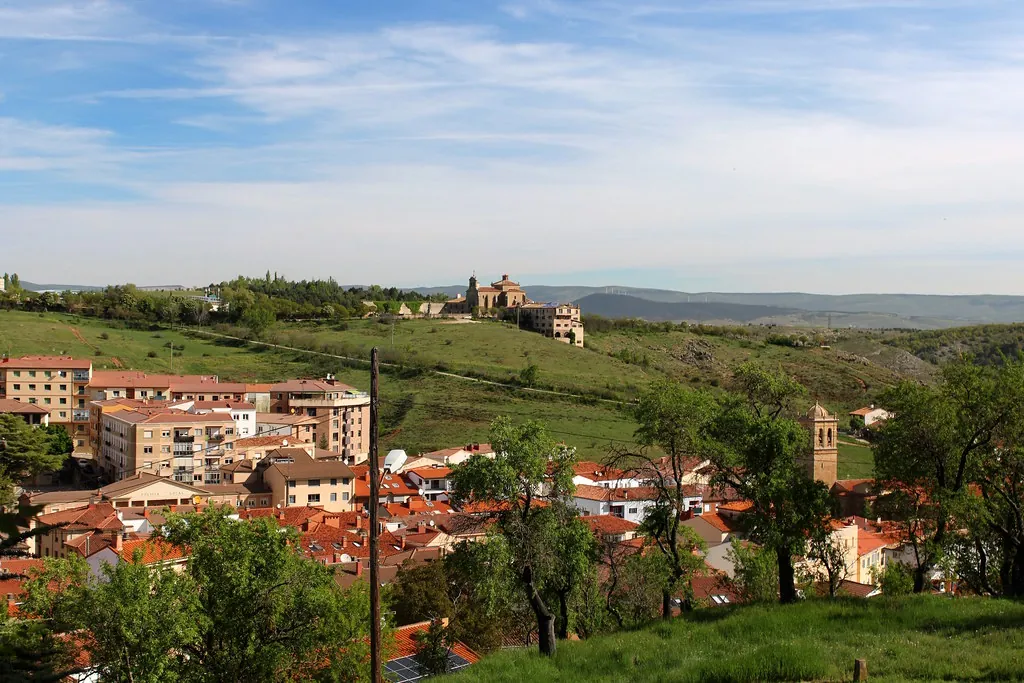
Carcedo de Burgos sits 15 kilometres south-east of Burgos city at 920 metres above sea level, high enough for the air to feel thinner and the wind to carry the scent of straw rather than diesel. From the village edge the land falls away in a slow roll of wheat and barley that changes colour every fortnight: lime-green after rain, silver-gold at harvest, then the blunt beige of stubble. Behind you, the Cantabrian peaks show their teeth on clear days; in front, the meseta stretches until it dissolves into heat haze. The altitude means nights stay cool even in July, and frost can still bite the fields in late April—local farmers talk about “los ventisqueros de mayo” as if they were relatives who turn up uninvited.
The village itself is a single elongated street of stone houses roofed with terracotta, interrupted by a sixteenth-century church whose bell tolls the quarters whether anyone is listening or not. Population: 280 in winter, maybe 400 when summer returnees park their Burgos-plated cars outside shuttered second homes. There is no square in the Plaza Mayor sense, just a widening of road where the bar puts out four metal tables. Traffic is light enough that dogs sleep in the middle of it until a tractor grumbles through at 08:00 sharp.
A Walking Loop for People Who Hate Signposts
You do not come to Carcedo for way-marked trails. Instead, pick any farm track that radiates from the last house and walk for an hour; the network of pistas returns you to the village like spokes to a hub. One popular circuit heads south past the ruined cortijo of Los Llanos, then swings west along the ridge above the Arlanzón valley. The climb is gentle—120 metres over three kilometres—but the view opens so suddenly that you stop mid-stride: a table-top of ochre earth pinned down by cylindrical grain silos and, beyond them, Burgos cathedral’s twin spires pricking the horizon. Spring brings calandra larks overhead and the occasional flash of a hoopoe; in October the stubble burns at dusk, sending up thin columns of smoke that smell of toast.
After rain the clay sticks to boots like wet cement; in August the top inch of soil turns to dust that coats your calves. There is no shade—remember a hat and a litre of water per person. Mobile coverage drops to one bar once you dip behind the ridge, so screenshot your map before leaving the tarmac.
Lunch at the Only Place That Opens
Bar La Parada is easy to find: it is the only premises with the lights on. The menu is written on a chalkboard that leans against the bar because the owner cannot be bothered to hang it up. Order the lechazo asado—half a ration (€14) is plenty for two. The lamb arrives on a steel plate, skin blistered to the colour of burnt sugar, meat so tender it parts from the bone with a sigh. A plate of morcilla de Burgos costs €3 and tastes faintly of cinnamon; the rice inside keeps it lighter than any British black pudding. House red from Ribera del Duero is poured from a plastic jug and costs €1.20 a glass; it is drinkable, which at that price feels like larceny.
Kitchens close at 16:00 sharp. If you turn up at 15:55 they will still feed you, but you will feel their eyes counting the minutes while you chew. Between lunch and dinner the bar functions as the village social centre: farmers read El Norte de Castilla aloud to each other, and the television shows bullfighting reruns with the sound off. Tourists are greeted politely then ignored, which is exactly the level of attention most of us want.
What You Will Not Find (and Might Miss)
There is no cash machine; the nearest is in San Pedro de Cardeña, three kilometres away. Shops observe the classic siesta—14:00 to 17:00—and the small grocer does not open at all on Monday. Public transport is the weekday bus from Burgos at 07:45 and 14:00; the return leaves Carcedo at 13:15 and 19:00. Miss it and a taxi costs €18, assuming you can persuade someone in the bar to ring for you. Sunday nights everything is shuttered; even the church is locked unless the priest remembers to swing by.
Accommodation inside the village is non-existent. Most visitors base themselves at the converted monastery of San Pedro de Cardeña (doubles €70, heating extra in winter). Staying there gives you the odd sensation of sleeping in a chapter house where El Cid once allegedly prayed, but it also means a three-kilometre drive for breakfast if you want anything more than instant coffee and a packet of María biscuits.
Combining Carcedo with the Rest of Burgos Province
The village works best as a pause between bigger sights. Morning: cathedral and the Museum of Human Evolution in Burgos city. Lunch in Carcedo at 14:00. Afternoon: the monastery of San Pedro de Cardeña, where the monks’ cloister still smells of sandalwood and damp parchment, then the Oligocene fossil site at Silos de Guzmán on the way back to the A-1. Total driving time from Bilbao airport is 90 minutes, making the loop feasible even if your flight lands at 11:00.
Winter access is straightforward—the N-234 is kept clear of snow—but fog can drop so low that you crawl the last five kilometres by following the cat’s-eyes. In July the meseta radiates heat like a storage heater; aim to walk before 11:00 or after 18:00 when shadows lengthen and the stone houses glow the colour of digestive biscuits.
When the Village Remembers It Used to Be Bigger
Fiestas patronales arrive the second weekend of August. Returnees inflate the population to 800, and the bar hires a portable disco that plays Spanish eighties pop until 04:00. A foam machine fills the street on Saturday night; children slide through it in their pants while grandparents look on, sipping gin-and-tonic from plastic tumblers. If you want authentic, this is it—no folkloric costumes for tourists, just neighbours happy to be home. Rooms in the monastery triple in price and must be booked months ahead; otherwise stay in Burgos and drive over after dinner.
The rest of the year Carcedo retreats into itself. Wheat is sown in November, sprayed in March, harvested in July; the cycle repeats whether anyone is watching or not. Visit on a Tuesday in February and you will share the village with two retired schoolteachers and a dog called Trueno. The bar owner will ask where you are going next, then advise you to fill up with petrol before the motorway because the Repsol at Arcos is always ten cents dearer. It is the kind of conversation that lasts three minutes and lodges in your head for years.
Worth the Detour?
Carcedo de Burgos does not astound; it quietly insists. If you need castles, gift shops or a craft brewery, stay on the A-1. If you are curious about how grain villages survive when the young leave and the old remain, stop for lunch and a walk. The place will not change your life, but the lamb is honest, the sky is wide, and the wheat keeps growing long after you have driven back to the city.