Full Article
about Castrillo Mota De Judios
Ocultar artículo Leer artículo completo
A Name that Survived a Pogrom
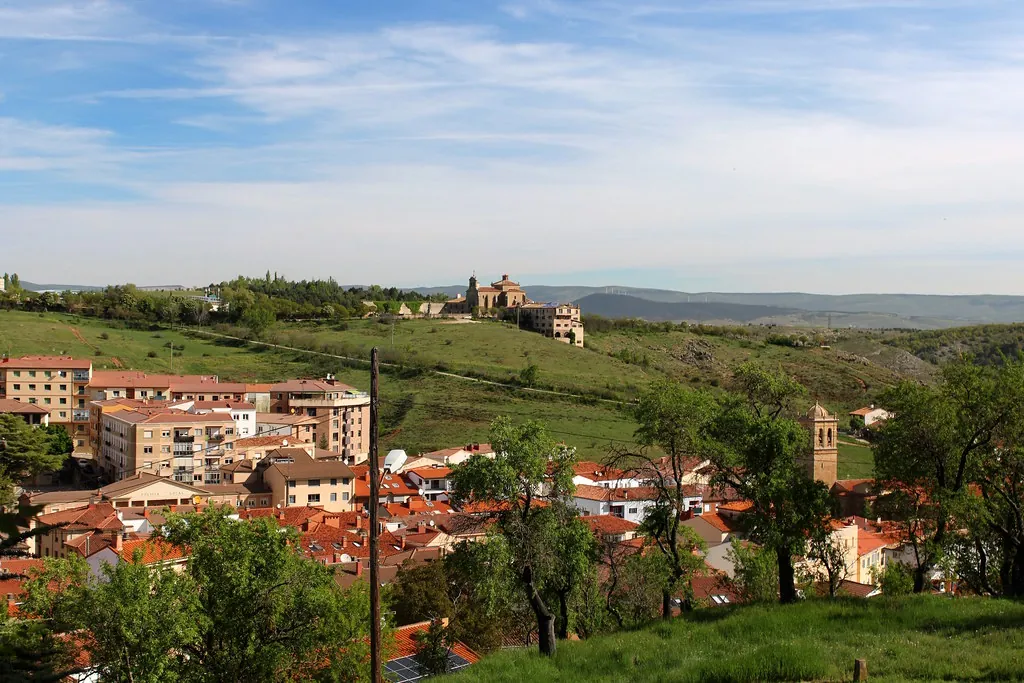
Stand at the western edge of Castrillo Mota de Judíos at dusk and you will see why map-makers once labelled the place “Jew’s Hill”. The village crests a low rise that lifts it a full ten metres above the surrounding sea of wheat, just enough to catch the last bronze light. From here the Camino de Santiago – the French route most British walkers recognise – cuts a straight dirt line west towards León, the same track Jewish merchants used 800 years ago. Their descendants were murdered or expelled in 1492, yet the name they left behind survived a 1627 re-brand, Franco-era censorship and, almost unbelievably, a 2008 vote to wipe the word “Jew” off the signposts. Villagers changed it back in 2015. The reversal took longer to debate than to execute.
That stubborn memory is the first thing an English visitor notices, long before any monument. The second is the quiet. Population hovers around 65 in winter, 120 when the summer returnees arrive. Traffic volume is so low that the village baker, María Jesús, recognises every engine note and sets aside an extra mollete roll if she hears your hire car choke on the hill.
Stone, Mud and the Smell of Bread
Houses are built from what lies underneath: ochre limestone for the lower walls, straw-coloured adobe for the upper. Rooflines sag like old books on a shelf, but the structures hold. Restoration grants arrive in fits and starts; half the street fronts are freshly repointed, the rest wait their turn, plastic sheeting flapping over exposed timber. It is honest rather than pretty, and photographers hunting honey-coloured uniformity sometimes leave disappointed. Those who stay longer discover the pleasure of watching the same stone shift from biscuit to apricot as the sun drops.
The bakery (no name on the door, just the scent of cumin and fermenting dough) opens at 07:00 and sells out by 10:30. A loaf costs €1.60, but María Jesús will accept a pound coin if you are embarrassed by the state of your euro cents. She keeps them in a coffee jar “for when the grandchildren visit London”. There is no café culture in the English sense; instead, customers lean against her counter, tearing off still-steamy crusts and discussing rainfall the way other nations discuss football.
One Church, No Synagogue, Plenty of Silence
The parish church of San Juan Bautista squats at the top of the rise, its bell tower doubled in height during the eighteenth century to serve as a lookout for wheat fires. Inside, the only obvious Jewish reference is negative: a faded fresco of Saint Vincent Ferrer preaching to converted Jews, their supposed hooked noses rubbed away by centuries of bored fingers. No plaques explain the village’s medieval community; interpretation begins and ends with the name board at the entrance. British visitors used to exhaustive heritage signage sometimes find this frustrating. Locals shrug: “The archives are in Burgos if you really want to read.”
What you can do is walk the perimeter path the Jews would have taken on market day. Start at the church door, drop down Calle de los Hornos, pass the communal wash trough (still fed by a spring, still iced in April) and follow the sheep track south for 1.5 km until the wheat gives way to fallow. Turn round and the village looks like a stone ship adrift on an amber ocean. Bring binoculars: skylarks, calandra larks and the occasional hen harrier ride the thermals above the crop.
Calories for the Camino
Food is pilgrim fuel rather than gastro theatre. Bar Mondo Lirondo – the only public dining spot – serves a three-course menú del día between 13:00 and 15:30. Monday’s stew is lentils with chorizo, Thursday’s is chickpeas with morcilla. Both taste better after you have walked 20 km with a pack. Vegetarians survive on menestra, a gentle stew of peas, carrot and potato that would not frighten a grandmother in Surrey. Wine comes in 250 ml carafes and is drinkable if you choose the local Arlanza rosé; the tinto can strip varnish.
If you are self-catering, stock up in Castrojeriz, eight kilometres west. The tiny shop in Castrillo carries UHT milk, tinned tuna, overripe tomatoes and not much else. Closing times obey no published rota; when the owner’s grandson has a football match, the shutter stays down.
Where to Lay your Head
Accommodation is limited to three private houses licensed as casas rurales. Casa Urbel, the largest, sleeps six and has a wood-burning stove that dries socks faster than the advertised radiator. Price: €90 per night for the whole house, payable in cash on the kitchen table. Towels are provided, but bring your own soap – the village shop stopped stocking it after a batch went unsold for two years. Mobile coverage on EE is patchy; Vodafone users get three bars in the upstairs bedroom if they stand by the northeast window.
Camping is tolerated on the wheat-field margins outside harvest season, but farmers will wake you at 06:30 to move on before the sprayer arrives. The municipal albergue on the Camino (€8 donation, kitchen open 07:00–22:00) is cleaner than many along the route, yet still supplies the snoring orchestra British pilgrims love to complain about.
Getting Here Without the Ryanair Roulette
Direct flights from Stansted to Burgos run twice weekly between May and October; outside those months the sensible route is Heathrow-Madrid then AVE train to Burgos (1 hr 50 min). A pre-booked taxi from Burgos airport to Castrillo costs €55–65; buses exist only on school days and terminate in Hinestrosa, 3 km short. Hire cars are cheaper for stays longer than two nights, plus you can combine the village with a loop of the fossil-rich Sierra de Atapuerca or a rainy-day cathedral day in Burgos city.
Remember to withdraw cash before you leave the airport: the nearest ATM is in Castrojeriz and it swallowed a Nationwide card last February. The village baker still tells the story.
When the Wheat Burns and the Sky Freezes
Spring brings green blades so bright they reflect onto bedroom ceilings; by July the same fields glow gold sharp enough to hurt. August fiestas – 12th to 15th, feast of the Assumption – inject sudden noise: brass bands, sack races, a communal paella that uses 60 kg of rice and every available garden chair. Book accommodation a year ahead if you must come then; otherwise avoid. October is the photographer’s month, when stubble turns pewter and cranes migrate overhead in perfect chevrons. Winter is raw. The wind that scythed through Wellington’s Peninsular army still finds nothing to slow it between here and Portugal. Temperatures drop to -8 °C at night; pipes freeze, the bakery shuts for three days, and the bar becomes a one-room survival bunker lit by a single bulb. Come if you want total solitude, but bring a sleeping bag rated to -10 and a sense of humour.
Leaving Without a Bookmark
Castrillo Mota de Judíos will not change your life. It offers no epiphany, no Instagram explosion, no story that fits neatly into a dinner-party anecdote. What it does give is a place to remember how slow time can move when the loudest sound is wheat brushing against itself. Walk the field paths at dawn, buy a still-warm loaf, speak a rusty Spanish sentence to the baker, and drive away before the church bell strikes noon. The village will sink back into its hill, name intact, waiting for the next curious traveller to puzzle over why a handful of Castilian farmers refused to let the past be ploughed under.