Full Article
about Cavia
Ocultar artículo Leer artículo completo
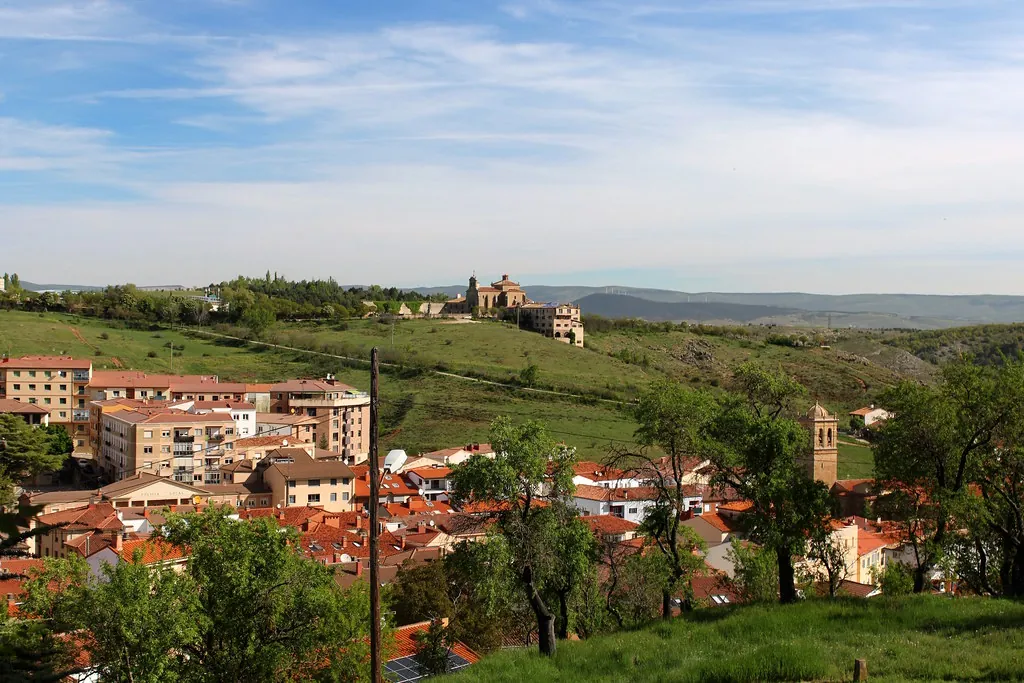
The church bell strikes noon and the only other sound is grain moving in the dryer of a parked combine. Cavia, population 244, sits 800 m above sea level on the rolling cereal plateau of southern Burgos, and the day’s big decision is whether to walk the 2 km loop past the stone dovecotes or the 4 km one that takes in the abandoned corrals. Neither path appears on any “Top-ten rural escapes” list, which is precisely why the handful of British camper-vans that pull off the A-1 each week end up staying longer than planned.
A Plateau that Changes its Mind
From the motorway the landscape looks uniform—wheat, barley, stubble, repeat—yet once you step out the colours shift like a slow-motion screensaver. April brings acid-green shoots, July turns the fields to brass, and by October the stubble glows copper under low sun. The horizon is so wide that clouds cast shadows the size of counties; stand still for five minutes and you can watch a rectangle of shade travel across three farmsteads. Birders park by the cemetery gate at dusk: calandra larks, pin-tailed sandgrouse and the occasional great bustard use the harvested strips as an open-air cafeteria.
Stone, Adobe and the One Bar
Cavia’s houses are built from whatever the ground yielded when the foundation was dug—ochre limestone at the north end, russet adobe to the south. Rooflines sag like old sofas, but the walls are 80 cm thick: step inside on a 35 °C August afternoon and the temperature drops ten degrees without air-conditioning. The single bar, Quinta de Cavia, doubles as the village restaurant, social hub and, on fiesta Saturday, improvised disco. A three-course menú del día costs €14 and arrives on floral plates that probably came from the same wholesaler who supplies British garden centres. Suckling pig is the headline act, but the kitchen will grill chicken breast for children or anyone who flinches at the sight of crispy trotters. House Ribera del Duero is poured from a jug and tastes like blackberry crumble—dangerously gluggable at midday.
What Passes for Sights
There isn’t a ticket office in the parish. The fifteenth-century church keeps its door keyed; ring the number chalked on the porch and the sacristan appears within five minutes, wiping flour from her hands. Inside are a polychrome Virgin whose face was repainted in 1938 and a Romanesque font hauled here from a demolished monastery 30 km away. That’s it for art history, yet the building still anchors village life: baptisms, funerals and the annual verbena all radiate from the single-aisle nave. Walk 200 m past the last streetlamp and you reach the threshing floors—stone circles where horses once trod out grain. No interpretation boards, just waist-high grass and the smell of fennel. They’re idyllic at sunset until you notice the A-1 murmuring behind a poplar windbreak; light sleepers in camper-vans should request a pitch on the pool-side of the campsite, ear-plugs compulsory.
Practicalities that Rarely Make the Brochure
The municipal pool is open July to mid-September, unheated but solar-warmed to 24 °C by 18:00. A camper pitch with 10 A electricity and free showers costs €19.50; bungalows with air-con are €55 and include a breakfast basket of baguette, juice and jam delivered to the door. Cash only—there is no ATM in Cavia and the restaurant card machine fails on busy nights when the mobile data signal collapses. Fill up before you leave the motorway; the nearest 24-hour station is 20 km north at Aranda de Duero. Trains pass 100 m behind the campsite at 05:22 and 23:47; the freight service to Madrid sounds like distant thunder, but some guests swear it lulls them to sleep.
When to Come, When to Leave
April–May and mid-September–October give you 22 °C days and 8 °C nights—perfect for walking without the midsummer furnace. Winter is crisp, bright and empty; snow lasts a day or two, just long enough to make the fields look like a badly frosted cake before the wind scrapes them clean again. August fiestas (around the 15th, dates drift with the lunar calendar) bring back the diaspora: temporary bars, a foam machine in the square, and a procession behind a brass band that has played the same three pasodobles since 1978. Visitors are welcome but not fussed over; buy a €3 raffle ticket for the pig if you want instant neighbours.
A Detour, Not a Destination
Cavia works best as a breather on the long haul from Santander to the Mediterranean or as a base for slow loops by bike or car. Within 30 minutes you reach the Romanesque cliff church of San Baudelio or the wine cellars of Aranda, where subterranean passages 7 m underground keep tempranillo at a steady 12 °C all year. Stay three nights and you’ll recognise the same three dogs and the same two tractors; stay a week and the barman will stop asking where you’re from. Leave any longer and the plateau starts to feel larger than the map suggests—an ocean of grain where villages are islands and time is measured by sowing, harvest, and the slow swing of the church bell.