Full Article
about Cueva De Roa La
Ocultar artículo Leer artículo completo
The thermometer drops the moment you duck under the low doorway. A tunnel slants downhill, the floor packed earth, the walls chiselled stone. Thirty metres in, the air is a steady 12 °C—summer or winter, the temperature never budges. Oak barrels the size of small cars line either side, each chalked with the vintage and the family name. This is not a museum; it is somebody’s cellar, and the bottle you will drink tonight has been resting here since before the pandemic.
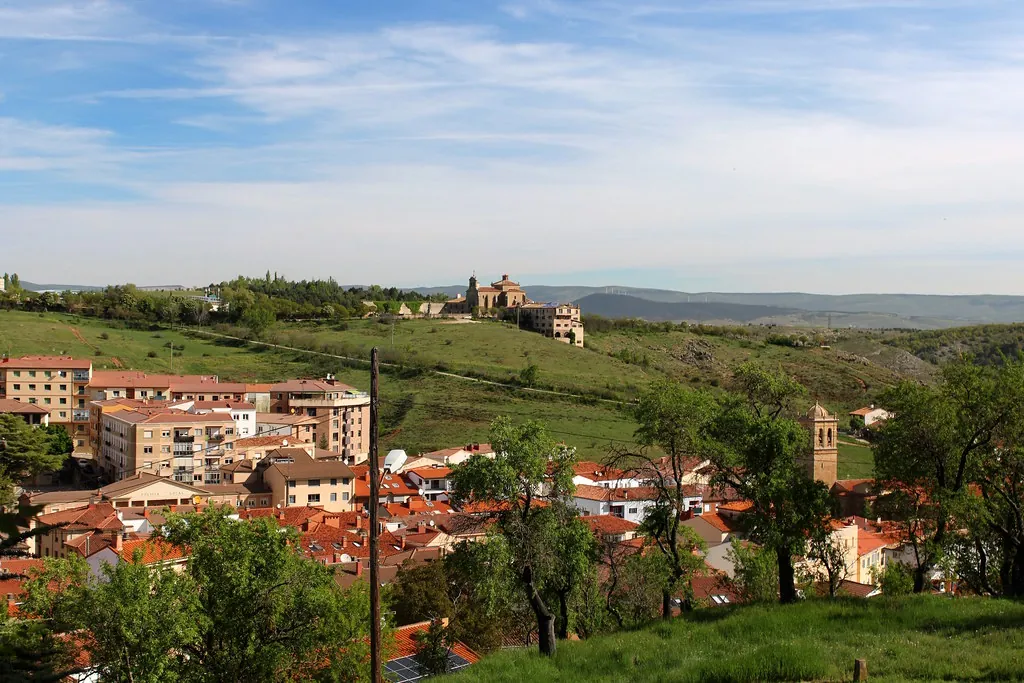
La Cueva de Roa sits on a warren of similar galleries—more than two hundred at last count—hollowed out beneath the houses for the sole purpose of ageing wine. From the surface the place looks unremarkable: a grid of single-storey stone houses, terracotta roofs the colour of burnt toast, a church tower that acts as the only landmark for kilometres. The village proper numbers barely five hundred souls, yet it anchors the southern end of Burgos province’s Ribera del Duero belt, 900 m above sea level and forty minutes’ drive from the nearest AVE station in Valladolid.
Vine roots and limestone
Every road out of town slices between vineyards. Tempranillo occupies 95 % of the plots; the remainder is a scatter of Albillo Mayor for whites. The rows run north–south so the grapes catch the morning sun yet miss the worst of the afternoon heat, a trick that matters at this altitude. Spring frosts can wipe out a crop overnight—growers keep diesel smudge pots ready in April—while July and August days regularly top 35 °C, forcing the vines into midday shutdown. Harvest comes earlier than in Rioja: crews start clipping clusters in the third week of September and are usually finished before the October rains.
Walkers can follow the signed Ruta de los Viñedos, a 7 km loop that leaves from the plaza, crosses the Arroyo de la Mata and climbs to a ridge crowned by a stone cross. From the top the view is a rolling checkerboard of gnarled stumps and chalky soil, the Duero River a silver thread on the western horizon. The path is farm track rather than footpath: expect dust in high summer and axle-deep ruts after storms. Proper boots are advised; trainers will be the wrong shade of beige within minutes.
Under the streets
Only three bodegas accept casual visitors, and none keeps regular hours. Stop at Bodegas Ismael Arroyo (look for the green door on Calle de las Cuevas) and someone will usually fetch the key, but ringing ahead on +34 983 680 193 prevents disappointment. The standard visit lasts 45 min, costs €8, and ends with two wines: a joven that has never seen oak and the crianza that slept beneath your feet. Payment is cash only; Spanish cards are tolerated, British ones laughed at.
The rest of the galleries remain private. Some have been bricked up for decades, their iron grilles rusted shut; others double as family storage units for bicycles, hams and the occasional hunting rifle. Peering through the cracks you can still smell the heady mix of ethanol and damp earth that signals living wine.
What to expect on the plate
Roast suckling lamb (lechazo) arrives at table in a clay dish, the skin blistered to the colour of antique mahogany. A half-kilo portion feeds two hungry walkers and costs around €24 in the only restaurant on Plaza de España. The wine list is short and local: expect to pay €14–18 for a bottle that would retail in Valladolid at €9. Vegetarians can order judiones—giant white beans stewed with saffron and bay—but should resign themselves to the aroma of lamb that lingers in the dining room.
Lunch service finishes at 15:30 sharp; turn up at 15:35 and the chef will already be on his second beer. There is no evening opening outside July and August, when tourists from Madrid push the permanent population into three figures.
Seasons and how to reach them
The N-122 links the village to Burgos (90 km, 55 min) and Valladolid (65 km, 40 min). Car is the only practical option: twice-daily buses terminate in Peñafiel, still 18 km short, and the nearest cab rank is a twenty-minute wait on a good day. Hire vehicles should be filled before leaving the autopista; petrol stations are scarce and close on Sundays.
Winter brings sharp night frosts and the occasional dusting of snow. The roads are gritted promptly—grape trucks must still roll—but pavements turn to sheet ice after dusk. From November to March most cellars keep their doors shut; visitors are tolerated, not encouraged. Spring is kinder: wild irises stripe the roadside and daytime temperatures hover in the mid-teens. Mid-September to mid-October pairs warm days with cool nights and the spectacle of harvest: tractors stacked with plastic crates crawl through the lanes at walking pace, and the air smells of crushed blackberries.
The catch
La Cueva de Roa is not postcard Spain. There are no souvenir shops, no Saturday market, no almond-blossom Instagram frame. If the single hostal is full, the next bed is 25 km away in Aranda de Duero. English is rarely spoken; phrase-book Spanish or Google Translate is essential. Rain can turn the village’s one street into a greasy slide of clay and cow manure within minutes, and the smell hangs around for days.
Yet for anyone curious about how wine is lived rather than marketed, the place offers something the larger towns cannot: a chance to taste in the darkness where the liquid actually matures, then walk upstairs into brilliant Castilian sunlight while the barrel lid is still propped against the wall. Bring a jacket for the cellar, sunglasses for the street, and a spare bottle in the boot for the drive home.