Full Article
about El Royo
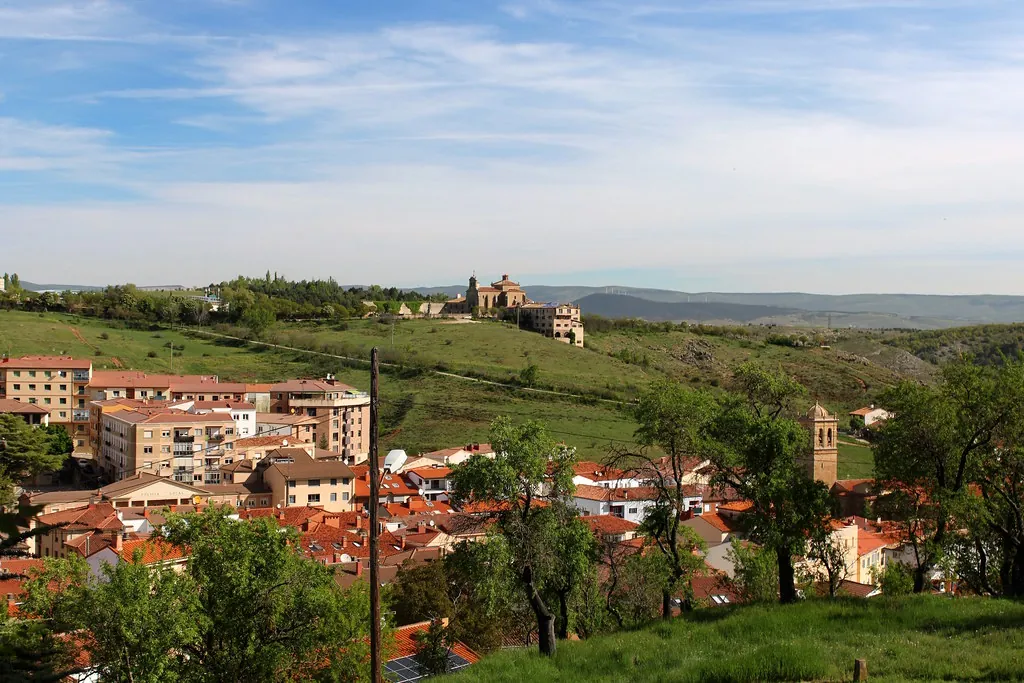
Church of Nuestra Señora de la Esperanza;Hermitage of El Castillo
Hide article Read full article
Llegar a El Royo es fácil. Aparcar, menos. Hay sitio para unos pocos coches junto a la calle principal y poco más. Si vas en fin de semana o en temporada de setas, olvídate de encontrar hueco ahí. Lo normal es dejar el vehículo en la entrada del pueblo y entrar andando.
El pueblo está a unos 20 minutos de Vinuesa por una carretera tranquila. Tiene un puñado de calles. Te orientas en diez minutos.
Cómo moverse
La iglesia de San Miguel sirve de referencia. Es de piedra, con una torre cuadrada y poca ornamentación. Cumple su función.
Las casas alrededor son sólidas, de mampostería, con tejados de teja árabe y paredes gruesas. Se ven vigas de madera en algunas fachadas. No es un conjunto histórico restaurado para el turismo; es un pueblo que sigue funcionando como tal. La plaza principal se cruza en un momento.
El interés arquitectónico es limitado. El carácter del lugar está en los detalles prácticos: las fachadas de piedra, los corrales adosados a las viviendas, las calles que enseguida salen al monte.
Salir al monte
Lo mejor empieza donde acaban las últimas casas. El Royo está rodeado por un extenso pinar de pino albar y silvestre, gestionado para la producción maderera desde hace décadas.
Los caminos forestales comienzan casi desde el pueblo. Algunos bajan a vaguadas; otros suben suavemente entre los árboles. Las pendientes no son fuertes si no te alejas mucho.
Conviene tener clara la ruta antes de empezar a andar. Entre pistas forestales, cortafuegos y senderos menores, es fácil desorientarse si no conoces la zona. Esto no es un parque señalizado; es un bosque productivo con una red compleja de caminos que se bifurcan y vuelven a juntarse.
El paisaje es abierto y funcional. Es normal ver señales recientes de aprovechamiento forestal: troncos apilados junto a las pistas, claros recién desbrozados.
Temporada de setas
En otoño llega más gente. Estos pinares son conocidos por los boletus y níscalos tras varios días seguidos de lluvia.
La recolección está regulada en gran parte del terreno circundante. Suele hacer falta un permiso y hay límites diarios por persona. Consulta la normativa vigente antes de ir; hay controles frecuentes durante la temporada alta.
La fauna también se ve más al amanecer o al atardecer: corzos y ciervos cruzan los claros del bosque. No hay garantías, pero la apertura del pinar permite avistarlos a distancia si hay suerte.
Esto no es un parque natural vallado ni una reserva intangible. Es campo en uso: compartirás las pistas con camiones madereros algún día laborable, con gente que pasea y con buscadores de setas cuando toca. Esa mezcla define la experiencia aquí.
Consejo práctico
El Royo no da para un día entero si solo piensas ver el pueblo. Se visita rápido. Tiene más sentido usarlo como base tranquila para rutas por el pinar o como parada entre otros puntos de la sierra.
Ve temprano, aparca donde puedas sin molestar y dirígete hacia los árboles. La transición del pueblo al bosque es inmediata. En cinco minutos estás entre pinos altos, con el sonido del viento sustituyendo al del coche.
Si buscas un núcleo monumental lleno de atracciones, aquí te quedarás corto. Si lo que quieres es andar por un bosque despejado, notar el olor a resina y pasar unas horas al aire libre sin complicaciones, entonces encaja.
El Royo ofrece eso: un pueblo pequeño y funcional junto a una extensión grande de monte accesible. Las calles se ven pronto. El pinar invita a quedarse más tiempo, ya sea para pasear, buscar setas en temporada o simplemente estar fuera