Full Article
about Estepar
Ocultar artículo Leer artículo completo
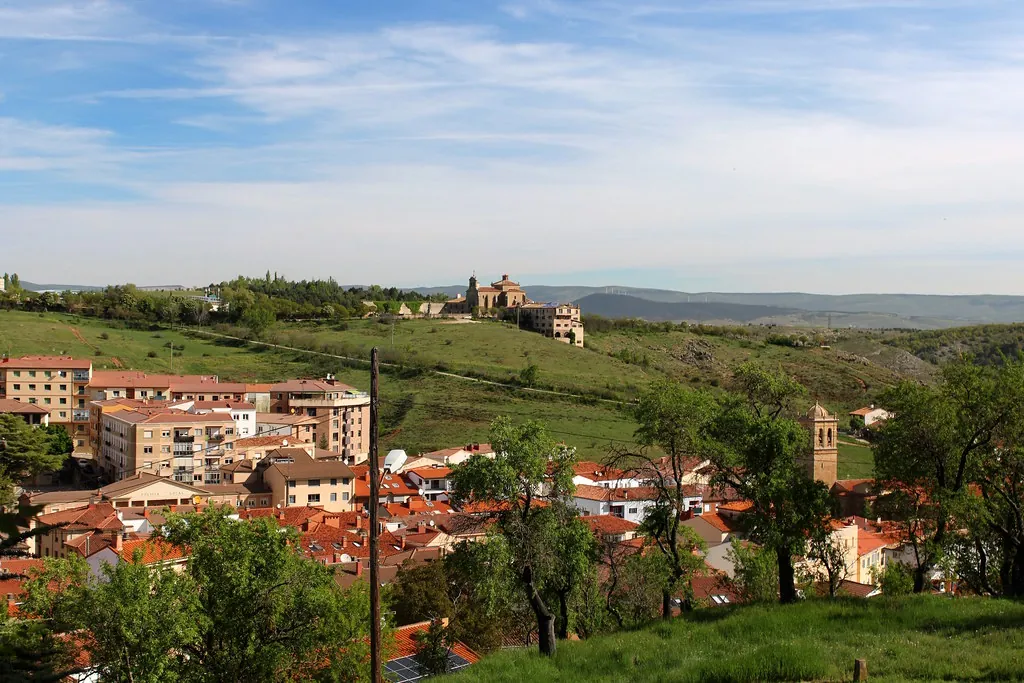
The wind hits first. Not a gentle breeze but the full-force meseta gust that sends plastic chairs scraping across café terraces and makes even the stone houses seem temporary. Twenty kilometres north of Burgos, Estepar squats on the Castilian plain with the matter-of-fact attitude of a place that's been farming cereals since the Romans left instructions on how to do it properly.
The Sound of Working Spain
Walk down Calle Mayor at 7am and you'll understand why the Spanish refer to villages like this as "España vaciada" rather than "pueblo". Not empty, just emptied of the young. What remains is the soundtrack of rural life: the diesel cough of a Massey Ferguson starting up, the clank of milk churns at the cooperative, and the single church bell marking time for people who don't need reminding. The tractor noise isn't background ambience—it's the village heartbeat, louder on weekdays than any weekend fiesta.
The architecture follows the same no-nonsense logic. Adobe walls thick enough to survive winter temperatures that regularly drop below -5°C, wooden beams cut from local oak, and roofs angled just enough to shed snow without wasting valuable upstairs space. Look up and you'll spot the occasional stone coat of arms wedged into a façade, usually belonging to families who shipped sons off to America in the 1950s and never bothered to reclaim the properties. Their houses now serve as weekend projects for Burgos commuters or slowly crumble back into the earth they came from.
San Esteban and the Layers of Rural Faith
The Church of San Esteban Protomártir dominates the western approach, though "dominates" might overstate its presence. It's more accurate to say it simply endures, Romanesque bones clothed in later additions like a farmer wearing his grandfather's jacket with new buttons. The tower leans slightly north-west, a fact locals blame variously on soil subsidence, Civil War shelling, or divine judgement on the previous priest's gambling habit.
Inside, the retablo mayor screams 17th-century workshop rather than great master's hand, all gilded excess and anatomically dubious cherubs. The real interest lies in the side chapels: a 14th-century Virgin whose face has been repainted so many times she looks mildly surprised to still be here, and an elaborate paso used in Easter processions that weighs enough to require twenty men to carry it through streets barely three metres wide. The realistic crown of thorns, fashioned from local hawthorn, still draws blood from bearers who've forgotten to wear gloves.
Eating What the Land Dictates
Forget tasting menus and fusion concepts. Estepar's three restaurants compete on who can serve the largest portion of cochinillo, roasted until the bones soften enough to cut with the edge of a plate. At Bodegón Rioja on Plaza de España, the menú del día costs €12 and arrives with enough calories to see a combine harvester driver through harvest. Morcilla de Burgos appears in everything—stuffed into mushrooms, crumbled over grilled lamb, even diced through the house paella in a move that would horrify Valencians but makes perfect sense here.
The local cheese deserves better than its usual role as sandwich filling. Queso de oveja from the nearby village of Orbaneja carries the grassy tang of sheep that graze on thyme-scented pasture. Buy it from the petrol station shop—yes, really—where Pilar keeps the good stuff under the counter for people who ask. She'll wrap it in waxed paper and warn you it won't survive the journey back to Manchester in a hire car, advice worth heeding unless you fancy explaining sheep-smelling luggage to EasyJet check-in staff.
Walking the Cereal Ocean
The countryside starts where the tarmac ends. Within ten minutes of leaving the village centre, you're surrounded by wheat fields that stretch to every horizon, the landscape so flat that the curvature of the earth becomes visible. In April the green shoots ripple like water; by July everything turns golden-brown under skies that seem impossibly high. This is walking without drama—no peaks to conquer, no Instagram viewpoints, just the gradual realisation that human presence here feels recent and conditional.
The PR-BU 73 footpath loops 12 kilometres through this monoculture, passing the ermita of San Roque at its northernmost point. The chapel sits on a slight rise—barely 40 metres higher than the village—that nevertheless provides views across four provinces. Inside, the walls bear pencilled graffiti dating back to 1902, harvest workers marking successful seasons with names and dates. The tradition continues: bring a pencil and add your own, though the local council periodically paints over anything that looks too touristy.
When to Come, When to Stay Away
Spring brings the stork migration, when dozens of pairs nest on electricity pylons and the clacking of bills replaces tractor noise at dawn. September offers the grain harvest, amber waves processed by combines the size of small houses while dust clouds hang motionless in still air. Both seasons provide temperatures that British walkers find manageable—rarely above 25°C, cool enough at night for proper sleep.
Avoid August unless you enjoy the sound of your own sweat sizzling on pavement. The village fiesta brings temporary population tripling and accommodation prices that double, though the nightly street parties continue until the Guardia Civil suggest everyone go home. Winter hits hard: when the northeasterly wind drives temperatures to -15°C, even the locals retreat to Burgos apartments and Estepar becomes a ghost town with lights on timers.
The Honest Truth
Estepar won't change your life. You won't find spiritual enlightenment walking field margins, nor will you discover artisan gin distilleries run by ex-London bankers. What you will find is a place that continues despite tourism rather than because of it, where the bar owner remembers how you like your coffee on the second morning, and where the elderly man on the bench opposite the ayuntamiento will explain—whether you asked or not—why the village's best years ended in 1973.
Stay two nights maximum. Use it as a base for Romanesque churches in Quintanilla Vivar and Cardeñuela Riopico, or as somewhere to decompress after Burgos cathedral crowds. Book the Hostal Rural los Cerezos—clean rooms, no English spoken, walls thin enough to learn Spanish swear words from next-door's television. Eat breakfast at Cafetería Hispania where the coffee tastes of burnt rubber and the tostada comes with tomato that's actually fresh.
Leave before you start recognising the same three tractors, but after you've learned that real Spain sounds nothing like the Costa del Sol and everything like diesel engines at dawn.