Full Article
about Fontioso
Ocultar artículo Leer artículo completo
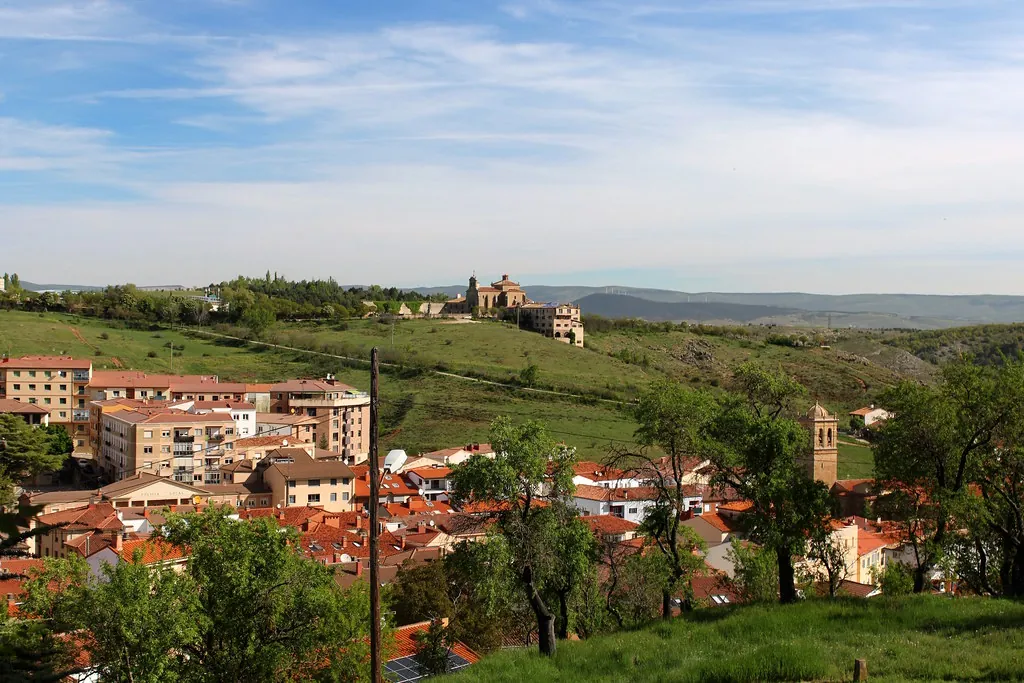
The grain silos appear first, rising from the cereal plains like sentinels. Then the village proper: stone houses clustered around a church tower, everything the colour of wheat left standing too long. Fontioso sits at 900 metres above sea level in northern Castilla y León, high enough that the air carries a sharpness missing on the baking plateaux below.
This altitude shapes everything. Winter arrives early and stays late—roads can glaze over from October through April. Summer brings relief from the oppressive heat that suffocates lower Burgos villages, though the sun still carries enough strength to crisp exposed skin in minutes. The locals, down to 500 souls from quadruple that a generation ago, track seasons by crop rotation rather than calendar pages.
The Architecture of Survival
Fontioso's church dominates the skyline for miles across the empty cereal steppe. Built from the same limestone that underlies these fields, it has served as both spiritual centre and defensive refuge since medieval times. The squat tower, repaired after lightning strikes in 1892 and 1974, houses bells that still mark the agricultural day—6 am for field workers, noon for the main meal, 8 pm for the rosary.
Wandering the three main streets reveals construction techniques perfected over centuries of bitter winters and scarce materials. Adobe walls two feet thick regulate interior temperatures year-round. Wooden gates, hand-carved from local poplar, hang on forged iron hinges that predate the Civil War. Many houses retain their original haylofts—tiny windows high under the eaves where families once stored fodder for livestock that wintered downstairs alongside humans.
The village fountain, installed in 1923 to replace a contaminated well, still serves as social hub. Elderly residents appear at regular intervals clutching plastic jugs, exchanging gossip while waiting their turn. The water tastes mineral-heavy, bearing the flavour of limestone aquifers that took centuries to filter rainfall from these same fields.
Walking the Agricultural Labyrinth
Fontioso offers no waymarked trails, no visitor centre, no gift shop selling fridge magnets. What exists instead is a network of farm tracks radiating outward like spokes, each leading through a different agricultural chapter. The camino north passes through sunflower fields that turn their heads in unison during July mornings. Eastward, wheat stubble in late summer crunches underfoot, releasing scents of dried grass and earth baked hard as concrete.
These tracks require proper footwear—the mud after autumn rain forms a sticky clay that can add inches to boot soles. Carry water; the only public tap sits in the village square, and farm wells are strictly private. Binoculars prove worthwhile for birdlife: hoopoes patrol the field margins, while sky-larks perform their vertical song flights above the wheat.
The most rewarding walk follows the ridge south towards Villadiego, twelve kilometres distant. The path climbs gradually through olive groves planted in the 1950s, their silver leaves flashing like fish scales in the wind. At the crest, the view opens across the Arlanza valley, revealing how completely these cereal plains dominate the province. The descent passes an abandoned grain mill, its stone wheel still in place though the roof collapsed decades ago.
What Passes for Gastronomy
Fontioso itself offers no restaurants—just Bar California on the main square, open irregular hours depending whether María feels like cooking. What it serves, however, represents authentic Castilian farmhouse cooking: judiones (giant white beans) stewed with chorizo, morcilla de Burgos (blood sausage studded with rice), and lechazo (milk-fed lamb) roasted in a wood-fired oven whose temperature reaches 400°C.
For self-catering, the weekly fish van arrives Thursday mornings—fresh catches driven up overnight from Santander, 200 kilometres north. The bakery delivery comes Mondays and Fridays; order your barra of crusty white bread the day before or go without. The nearest proper supermarket sits twenty minutes away in Briviesca, stock up before arrival because Fontioso's single shop keeps erratic hours and stocks mainly tinned goods and cleaning products.
Local wine arrives in five-litre plastic containers from cooperatives near Aranda de Duero, sixty kilometres southeast. The tempranillo tastes rough but honest, carrying flavours of chalk and sun that somehow match this landscape perfectly. Four euros buys enough for several evenings of sunset watching from the village walls.
When the Village Wakes
August transforms Fontioso. The fiesta patronal, held the third weekend, draws former residents back from Madrid, Barcelona, even London. Suddenly every house displays neat rows of plastic chairs outside, grandmothers shell peas while catching up on a year's gossip. The single streetlight gets decorated with coloured bulbs that blink out of sequence. A brass band, recruited from neighbouring villages, marches down the main street playing pasodobles slightly off-key.
The highlight comes Saturday midnight: a fireworks display that seems absurdly ambitious for five hundred people. Rockets whistle upward from the football pitch, exploding into chrysanthemums of gold and green that reflect off stone walls and upturned faces. For twenty minutes, this forgotten corner of Castile feels like the centre of something important.
The following morning brings the traditional running of sheep through village streets—actually a sedate procession led by the mayor and priest, blessing animals that will spend winter grazing on stubble fields. Children who normally see more concrete than countryside stroke woolly backs and giggle at the sheep's blatting complaints.
Practicalities Without Romance
Reaching Fontioso requires commitment. No trains stop nearer than Burgos city, forty-five minutes by car. Buses run twice daily from Burgos bus station, departing 1 pm and 7 pm, returning 6 am and 2 pm—timing that makes day trips impossible. Car hire from Burgos airport costs around £35 daily for a basic Fiat 500, essential if you want flexibility.
Accommodation means either Casa Rural La Cerca (three bedrooms, £80 nightly) or convincing someone to rent you a room—possible during winter when many houses stand empty, though expect basic facilities and bring cash. Mobile signal varies by provider; Vodafone works near the church, others require walking to the cemetery hill for one bar of coverage.
Weather demands respect. Even May mornings can start at 4°C, rising to 28°C by afternoon—pack layers. October brings spectacular clear skies but night temperatures near freezing. The village sits exposed on its ridge; wind accelerates across open plains, making 15°C feel like 5°C.
Fontioso offers no epiphanies, no Instagram moments, no souvenir opportunities beyond what you collect in memory. What it provides instead is perspective: on how most of Spain actually lives, on the rhythms that governed European life for millennia, on the quiet dignity of places that refuse to die even as their young people leave. Come prepared for that reality, or don't come at all.