Full Article
about Fuentecen
Ocultar artículo Leer artículo completo
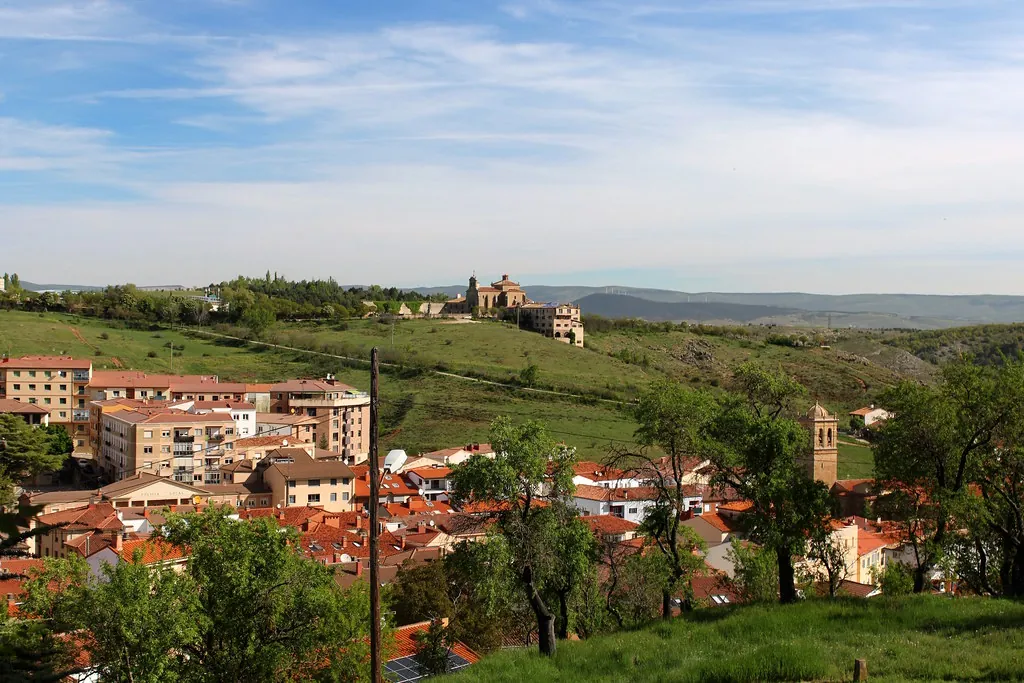
The wheat stops here. At 920 metres above sea level, Fuentecén sits just high enough for the wind to carry the scent of straw and thyme into its single-plaza centre, yet low enough that the surrounding plateau still feels like an ocean of earth rather than mountains. Drive in from Burgos—45 minutes on the BU-532—and the village appears suddenly: a rectangle of stone roofs floating on golden stubble, the 16th-century church tower acting as both compass needle and exclamation mark.
Most visitors barrel past on their way to the advertised monasteries further south. That is the first reason to brake. The second is the light. Castile’s high dryness paints the walls a blinding biscuit at noon, then flips to honey as the sun drops. By dusk the stone turns almost pink, a trick that no postcard seller has yet monetised. Bring a camera and a coat; the same altitude that sharpens the sky lets temperatures plummet within minutes once the sun clocks off.
A Village That Refuses to Pose
Fuentecén will not flatter you. There are no boutique hotels, no olive-wood tasting menus, no ironwork balconies dripping with geraniums. What you get is a working grain village of 120-odd houses, several of them empty, their adobe bricks crumbling like stale cake. Walk Calle Real and you will see a restored façade shoulder-to-shoulder with a roofless stable where swallows nest. The effect is oddly honest: a place evolving at the speed of pensions and harvests, not at the speed of Instagram.
Start in the Plaza de la Constitución, the only space wide enough for three cars to turn without reversing. The parish church of San Juan Bautista fills the north side—heavy pine doors, a single nave, a bell that still marks the fields’ working day. Step inside (weekday mornings 10-12, key from the house opposite with the green railings) and you will find a retablo gilded in 1734, its paint flaking like old tobacco. Donations go to keeping swifts out of the rafters; drop a euro in the box and someone might even switch the lights on long enough for you to photograph the cherubs’ chipped toes.
Behind the altar a small door leads to the tower. The stone spiral is narrow, damp and unlit—mobile-phone torch essential. Sixty steps up, the bell room gives a 360-degree ledger of the village economy: wheat to the east, barley to the west, a solar farm glinting on the southern ridge. No safety barrier, no entry fee, no apology. Climb at your own risk and remember the farmer’s rule: if you can hear the bell, you are standing too close.
Walking the Square-Field Grid
Fuentecén sits inside a nine-square chequerboard of rural tracks originally laid out for ox ploughs. Any of them makes a pleasant hour’s loop; the most interesting leaves from the cemetery gate, signed “Ermita de la Virgen del Castillo 2.3 km”. The path is a farm track wide enough for a combine harvester, so you can walk side-by-side rather than single file—rare in Spain where trails usually imitate goat tracks.
Halfway along, the plateau drops a gentle 30 metres into a dry gulley. Here the cereal sea parts to reveal a stand of Holm oaks, their trunks black from last summer’s fire. A stone bench commemorates the spot where, in 1936, local farmers hid three Republican teachers overnight before moving them north. There is no museum, no interpretive panel—just names carved into granite. Sit long enough and a hoopoe usually lands on the nearest branch, orange crest fanned like a cheap cigarette card.
The ermita itself is locked; the key vanished with the last hermit in 1978. Peer through the grille and you will see fresco fragments: a blue mantle, a gilt star, both fading under roof leaks. Outside, the ground falls away to reveal the Meseta’s true scale—wheat all the way to the horizon, the village water tower the only vertical punctuation. On a clear day you can just make out the radio mast outside Burgos, 42 kilometres distant. The return loop cuts through the municipal threshing floor, a circle of compacted earth where villagers once winnowed grain by hand; the stone rollers lie abandoned like giant’s marbles.
What to Eat and Where to Sleep
There is no restaurant. Lunch options are binary: bring a picnic, or knock on the bar-less social club (Calle del Medio 14) before 11 a.m. and ask Carmen if she will cook. She usually agrees, provided you accept whatever is thawing that day—often cordero chilindrón (lamb in pepper-tomato stew) with _patatas asadas roasted in the bread oven. Price is whatever you feel appropriate; most leave €12–15 including a carafe of local tempranillo poured into an emptied Coke bottle. Vegetarians receive a tortilla so thick it could double as a doorstop.
Accommodation is similarly freelance. The ayuntamiento rents two village houses—keys from the office Tuesday and Thursday 6-8 p.m. Expect stone floors, wood-burning stoves, hot-water heaters that gasp like asthmatic cats. Cost is €40 per night for the two-bedroom unit, bedding included. Mobile signal is patchy; Vodafone works on the upstairs windowsill if you lean. Wi-Fi arrives only if you walk to the plaza and pirate the library’s single router, password SanJuan1967. The upside is silence so complete you can hear your own blood circulate.
Seasons and Small Print
Spring brings green wheat and migrating cranes; the village fills with tractors at dawn and the smell of diesel mingles with lilac. Summer is scorching—35 °C by 2 p.m.—and most locals retreat indoors until 6. August fiestas (15-17) mean brass bands, fireworks and one portable bar that sets up in the square; book accommodation early or expect to sleep in your car. Autumn is the photographers’ sweet spot: stubble fields the colour of Weetabix, skies rinsed clean by the first Atlantic fronts. Winter is brutal; snow can cut the road for 48 hours and the council does not always grit before 10 a.m. Chains are sensible November to March.
There is no cash machine. The nearest petrol is in Melgar de Fernamental, 11 kilometres north; fill up before you arrive. The village shop opens 9-10 a.m. only, sells tinned tuna, UHT milk and churros on Sunday. Anything more exotic—soya milk, oatcakes, the Guardian—requires a 40-minute drive to Burgos. Bring supplies, or embrace the local carbohydrate trilogy: bread, lamb, wine.
The Anti-Souvenir
Leave the fridge magnets. The only thing worth taking home is a kilo of _trigo de Fuentecén, unmilled heritage grain sold by the sacristan’s wife for €2. It looks unremarkable—small, blonde, a bit like pearled barley—but makes bread that smells of toasted walnuts. She keeps it in a biscuit tin under the church porch; ring the bell twice, state your grandmother’s name (any name, she never remembers) and hand over exact coins. No bags; bring your own.
Fuentecén will not change your life. It offers no epiphanies, no bragging rights, no hashtags. What it does offer is a calibrated pause—somewhere between the medieval stone and the modem silence—where you can remember what travelling felt like before everything had to be epic. Come for the sky, stay for the stew, leave before the wind starts whistling through the empty houses.