Full Article
about Fuentelcesped
Ocultar artículo Leer artículo completo
The stone walls of Bodegas Pascual still bear the chisel marks where three centuries of cellar hands have carved their initials. It's the first thing visitors notice when descending into Fuentelcésped's underworld—a labyrinth of wine caves stretching 12 metres below the village square, where the temperature holds steady at 13°C whether the Castilian plateau above is freezing or frying.
This small settlement of 5,000 souls sits in Burgos province's corner of the Ribera del Duero, Spain's most prestigious wine region after Rioja. Unlike its famous neighbours—Pesquera de Duero and Aranda de Duero—Fuentelcésped has no coach parks, no multilingual tasting menus, no gift shops selling fridge magnets shaped like tempranillo bottles. What it offers instead is the daily reality of wine country: tractors rumbling through narrow streets at dawn, the sweet-sour smell of fermenting grapes drifting from family garages, and locals who'll wave you through their vineyard gates without demanding an entrance fee.
The Village that Time (and Tourists) Forgot
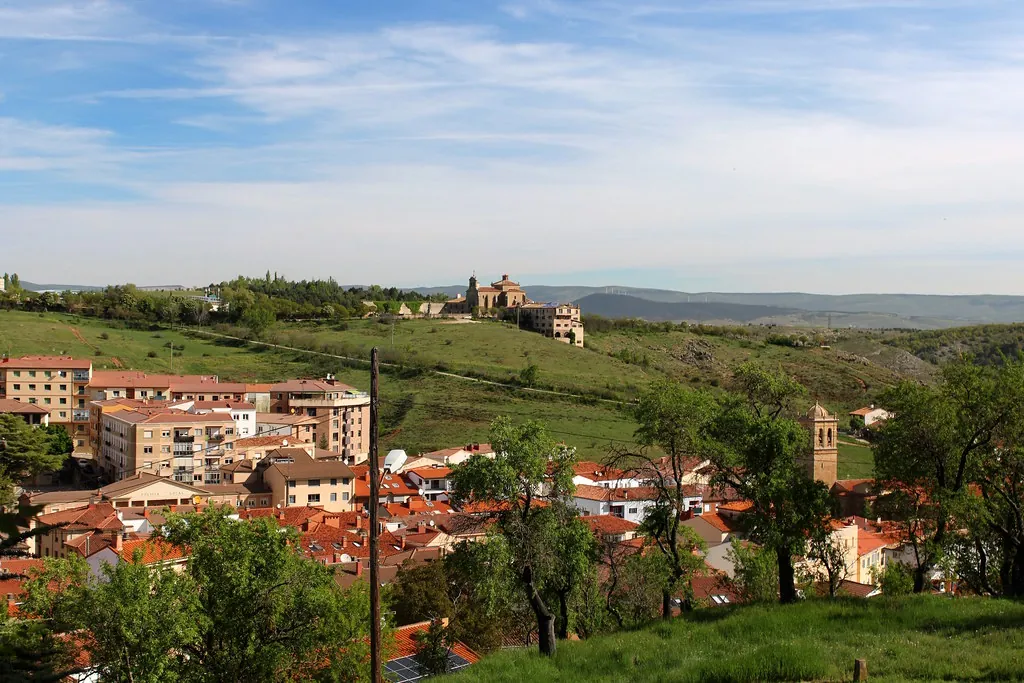
Morning begins with church bells from San Miguel Arcángel, whose 16th-century tower surveys a grid of stone houses and heraldic mansions. These aren't museum pieces—they're working buildings where washing hangs from carved wooden balconies and grandmothers lean from windows to gossip with passers-by. The Plaza Mayor, barely the size of a tennis court, hosts the weekly market where farmers sell vegetables grown in riverbank allotments and chorizo made from pigs that grazed the surrounding dehesa.
Walk Calle Real and you'll spot the tell-tale signs of village prosperity during Spain's Golden Age. Shield-bearing facades date from when Fuentelcésped supplied wool to Burgos' textile merchants and grain to royal armies. Today, those same grand houses conceal domestic wine cellars—some no larger than a garden shed, others extending 200 metres into limestone bedrock. The local council maintains a register: 312 private bodegas for a population of 5,000. That's one cellar for every sixteen inhabitants.
Underground Cathedrals and Harvest Rituals
Visiting these subterranean spaces requires planning. Bodegas Pascual opens by appointment (€15, including three wines and local cheese). The tour descends through four levels, each representing a century of expansion. Hand-hewn passages connect to neighbours' cellars—an unofficial network that once allowed villagers to move underground during the Civil War. Guides demonstrate traditional treading vats and explain how families produced 3,000 litres annually for personal consumption, selling surplus to co-operatives.
October transforms the village. Harvest starts at 6am when temperatures still hover around 5°C. Mechanical harvesters work plots too large for manual picking; elsewhere, crews wield secateurs with practised efficiency. The Gromejón river, usually a modest stream, fills with grape-laden trailers heading to the co-operative press. Evenings bring the sound of celebration—impromptu tastings in garage cellars where farmers compare this year's sugar levels with previous vintages.
Walking Through Three Seasons of Vineyards
Spring offers the most comfortable walking conditions. The Senda de los Viñedos, a 7-kilometre loop marked with yellow arrows, circuits the village through tempranillo plantings. April sees bright green shoots against red earth; May brings white blossom on almond trees scattered between plots. The path crosses the Gromejón via a medieval bridge where women once washed clothes in river pools now colonised by crayfish.
Summer walking demands preparation. Temperatures regularly exceed 35°C and shade exists only where poplars line the riverbank. Early starts are essential—the same route that feels pleasant at 8am becomes an endurance test by midday. September walkers witness veraison, when grapes turn from green to purple-black, and might encounter growers testing ripeness with handheld refractometers.
Autumn transforms the landscape into a photographer's studio. Morning mist fills valley floors; stone buildings glow amber against ochre vineyards. The Camino del Cid passes through Fuentelcésped—serious hikers can follow this medieval route south towards Covarrubias, though accommodation requires forward booking in villages where facilities remain basic.
Food Without the Fanfare
Local gastronomy reflects agricultural reality. Lechazo asado—milk-fed lamb roasted in wood-fired ovens—appears at weekend family gatherings, not tourist restaurants. More accessible is the daily menú del día served at Bar Plaza: three courses including wine for €12. Expect judiones (large white beans) with chorizo, migas (fried breadcrumbs) with grapes, and pears cooked in red wine. The wine served comes from co-operative production; acceptable quality, honest pricing, nothing approaching the €200 bottles from nearby Vega Sicilia.
Shopping options remain determinedly local. The bakery produces crusty loaves at 7am and sells out by 10am. The village shop stocks basic provisions and regional specialities: morcilla de Burgos (blood sausage with rice), queso de oveja (sheep's cheese aged in olive oil), and jarred white asparagus from nearby Navarrete. For serious wine purchases, drive 20 minutes to Aranda de Duero where specialist shops offer the full Ribera del Duero spectrum from €6 everyday drinking to investment-level reserves.
Practicalities for the Independent Traveller
Getting here requires wheels. The nearest railway station at Aranda de Duero connects with Madrid in 90 minutes on high-speed trains, but Fuentelcésped lies 25 kilometres distant across agricultural plains. Car hire from Valladolid airport (90 minutes) provides greater flexibility than Madrid Barajas (two hours). Roads are good but deserted—fuel up before leaving the A1 autopista.
Accommodation remains limited. Casa Rural Los Pinos offers three en-suite rooms in a converted village house (€60-80 nightly depending on season). Breakfast features homemade jam and eggs from chickens kept in the courtyard. Alternative options exist in Aranda de Duero—Hotel Villa de Aranda provides four-star comfort from €85 nightly, making Fuentelcésped an easy half-day excursion rather than overnight stop.
Timing matters. January brings penetrating cold—daytime temperatures struggle above freezing and the famous Castilian wind, the cierzo, cuts through multiple layers. August delivers furnace heat and closed shutters between 2-5pm as villagers observe siesta. Late April through early June offers ideal conditions: warm days, cool nights, vineyards green with new growth, and restaurants operating normal hours before summer shutdowns.
The village won't suit everyone. Those seeking boutique hotels, guided tours in multiple languages, or Instagram-ready viewpoints should head elsewhere. Fuentelcésped rewards visitors content with authentic rural Spain: early morning coffee among farmers discussing rainfall statistics, cellar visits where the owner's grandmother emerges from upstairs to check the wine's progress, and evenings where the loudest sound comes from swifts nesting in church eaves. Bring Spanish phrasebook basics—English remains rarely spoken—and prepare to operate on village time, where shops close when owners fancy lunch and restaurants serve dinner when families finish work, not when guidebooks suggest.