Full Article
about Horra La
Ocultar artículo Leer artículo completo
The church bell strikes two and the village falls silent. In La Horra, lunchtime is sacred. The single restaurant's metal shutters will drop at four o'clock sharp, and if you haven't ordered by then, you'll be eating crisps in the car park. This is the first lesson visitors learn about the Ribera del Duero's most matter-of-fact wine village.
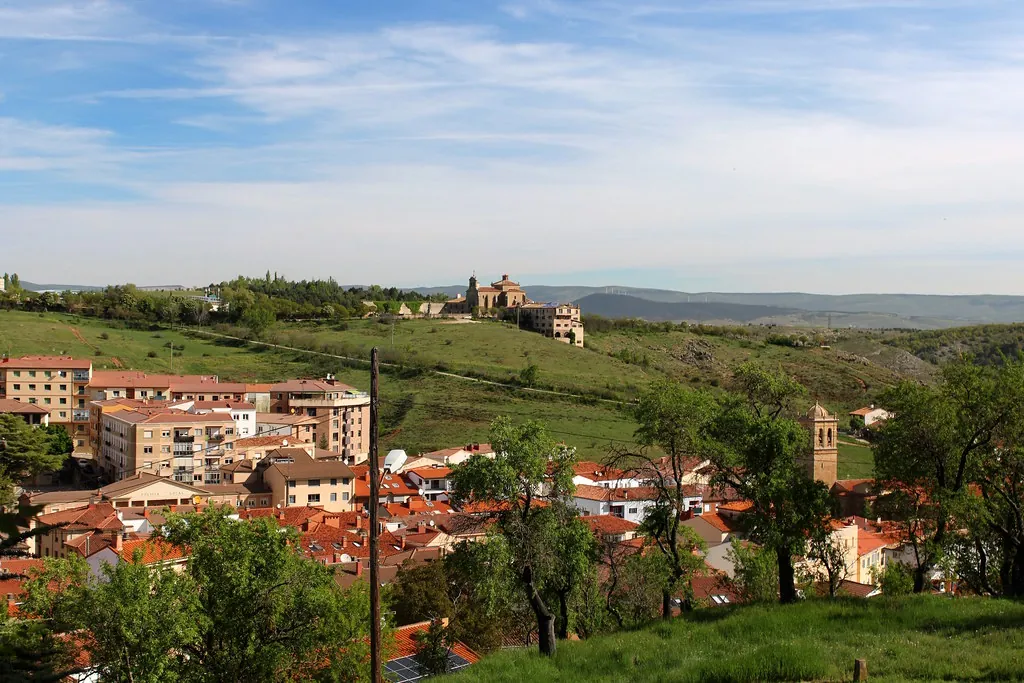
La Horra doesn't do pretty. It does wine. The stone houses sit low against the meseta wind, their ground floors once stables, now garages. Between them run alleyways of compacted earth where the only traffic is the occasional tractor returning from the surrounding vineyards. These 2,200 hectares of tempranillo vines generate the economic pulse of a community that has survived on wine since the Romans arrived with their pruning knives.
Underground Cathedrals
Beneath almost every house lies a maze of hand-hewn caves. The local families dug these bodegas subterráneas over centuries, creating a subterranean neighbourhood that mirrors the one above ground. Thirty families still use their caves for fermenting grapes; the rest have been converted into modern wineries or left to gather dust. Ask politely at the Bar El Parque and someone might fetch a key to show you their family's cave. The temperature drops ten degrees as you descend the stone steps. Rough walls weep with condensation. Here, the wine ages in 500-litre American oak butts, each chalk-marked with the vintage and the family name.
The working bodegas cluster on the village's eastern edge, identifiable by their stone chimneys poking through the earth like periscopes. Bodegas Ismael Arroyo opens for tours most mornings if you phone ahead. The visit costs €12 and includes three wines served in proper glasses, not the thimbles Spanish health-and-safety once insisted upon. Their 2018 "ValSotillo" Crianza tastes of black cherries and the graphite soils that characterise this stretch of the Duero valley.
Plateau Realities
At 830 metres above sea level, La Horra sits on an exposed tabletop of land where the wind never quite stops. Spring arrives late and autumn early; winter brings sharp frosts that can wipe out entire harvests. The continental climate explains why the locals built their houses like bunkers: thick stone walls, tiny windows, doorways that turn corners to keep out the draught. It's also why the wine works. The temperature swing between blistering summer days and cool nights locks acidity into the grapes, giving Ribera reds their backbone.
Visit in April and you'll find the vineyards neon-green with new growth. October turns them burgundy and gold. Both seasons offer eight-degree days that feel distinctly British until the sun burns through. Summer is different: 35°C by noon, shadeless roads, siestas that last until five. The village empties as families retreat to their cave-bodegas where the thermometer sticks stubbornly at 14°C year-round.
The Hunger Gap
Food here follows the agricultural calendar. Lechazo asado – milk-fed lamb roasted in a wood-fired oven until the skin shatters like toffee – appears on weekends and fiesta days. During slaughter season (November to February), every menu lists morcilla blood sausage and preserved pork in every permutation. The rest of the year it's eggs with chorizo, hearty soups, and queso de Burgos so fresh it squeaks between your teeth.
The Hostal Restaurante La Horra serves the only reliably available lunch. Their €16 menú del día delivers three courses, half a bottle of house wine, and that particular brand of Spanish service that veers between maternal and magnificently indifferent. Arrive before two or face a locked door. Vegetarians should request the sopa de ajo – garlic soup thickened with bread and topped with a poached egg. It's more comforting than it sounds, particularly when the meseta wind is whipping across the car park.
Practical Plateau Survival
La Horra makes no concessions to the unprepared. Fill your hire-car tank in Aranda de Duero, fifteen minutes south on the N-122. The village has no petrol station, no cash machine, and nowhere to buy milk after 9 pm. Mobile signal vanishes inside the stone houses; download offline maps before you leave the main road. If you're planning a bodega crawl, book English-language tours at least 24 hours ahead. Most wineries are family operations where the person showing you around was up at six pruning vines.
The nearest accommodation is in Aranda, where the three-star Hotel Villa de Aranda has doubles from €65. Staying in the city gives you restaurant options beyond the single village haunt, plus the bonus of Aranda's underground wine museum and its medieval cellars that stretch for seven kilometres beneath the old town.
Beyond the Village Limits
La Horra works best as a base for exploring the quiet side of Ribera del Duero. Drive five kilometres north to Peñafiel and its hilltop castle housing a regional wine museum. The views from the battlements take in a 180-degree sweep of vineyards that disappear into the heat haze. Eastwards, the even smaller village of Gumiel de Izán hides the Monasterio de Santa María, where Cistercian monks made wine long before the denomination existed. Their 13th-century cellar still functions; tours run on Saturday mornings and include a tasting of the monastery's own-label crianza.
Cyclists can follow the signed Ruta del Duero, a 60-kilometre loop that tracks the river through pine forests and past isolated wineries. The terrain looks flat until you're on it; the meseta rolls more than appears from the car window. Hire bikes in Aranda from Duero Bikes (€25 per day) and pack more water than you think necessary. There are no cafés between villages.
The Honest Verdict
La Horra won't charm you with flower-decked balconies or Instagram moments. What it offers is something more durable: the chance to see Spanish wine culture in its natural habitat, unfiltered by marketing departments or tour-bus schedules. The village functions exactly as it did decades ago, just with better roads and worse phone reception. Come for the underground cellars, stay for lunch, and leave before the afternoon silence becomes oppressive. And remember: if the church bell is striking two, you're already late for the table.