Full Article
about Mecerreyes
Ocultar artículo Leer artículo completo
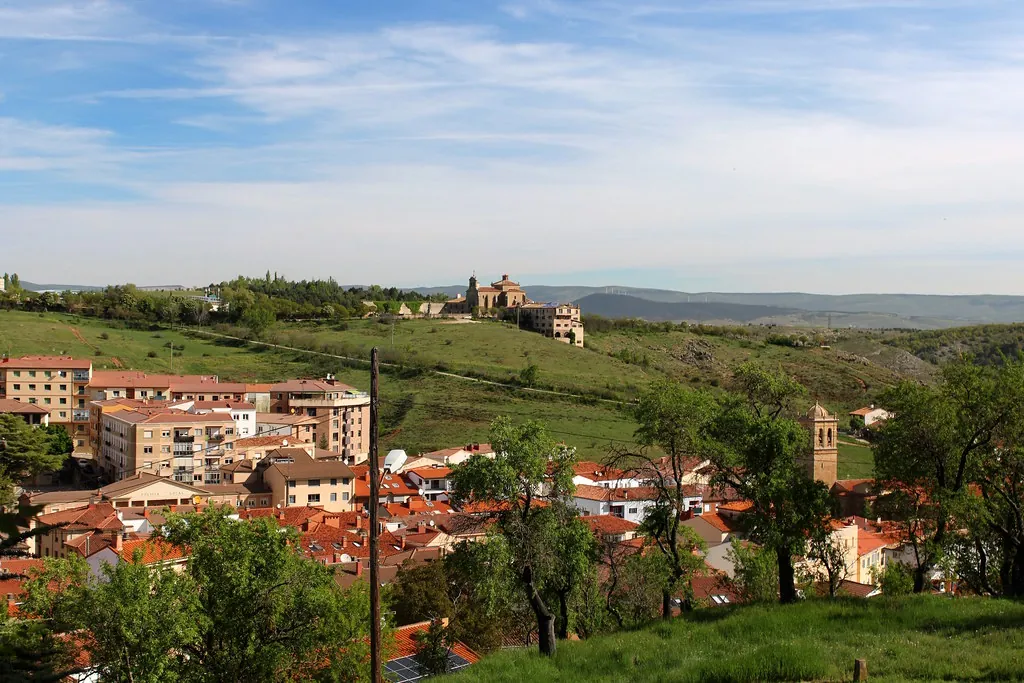
The church bell strikes midday and the only reply is a dog barking two streets away. At 920 metres above sea-level, the air in Mecerreyes is thin enough to make the silence feel physical. This is Castile without the coach-party soundtrack: no souvenir stalls, no multilingual menus, just stone houses the colour of burnt toast and a single bar whose door creaks like a western saloon.
Most visitors race past on the BU-905, heading for the better-known half-timbered villages of the Arlanza valley. That is their loss. Mecerreyes rewards anyone who parks opposite the closed-down petrol station, switches the phone to airplane mode—signal is patchy at best—and walks.
A grid of three streets and a tower
The village blueprint is simple: one main road, two cross lanes, a plaza with a stone cross, and the tower of San Juan Bautista watching over everything. The church is 15th-century at its core, patched in the 18th, and the mortar still carries the chisel marks of the last restoration. Push the south door; it opens into a single nave that smells of candle wax and old grain sacks—parishioners still store surplus wheat in the sacristy after harvest. The retablo is provincial gilded wood, nothing the Prado would fight for, yet the painter managed vermilion that glows like a radiator. Five minutes is enough to see it all; linger longer and the sacristan will appear, eager to point out where the 1906 storm took off the spire.
Outside, the streets are narrow enough to touch both walls at once. Granite thresholds have been polished by centuries of hobnailed boots; some still bear the metal grooves where mule shoes skidded. House numbers jump from 6 to 10—three homes are already roofless, their beams stacked like bonfire wood inside. Population decline is not a museum topic here; it is the empty doorway you just passed.
Lunch, if you time it right
Mesón Frutos opens at 13:30 sharp, or when Frutos finishes the morning tractor work—whichever is later. There is no written menu; his wife recites what the freezer holds. Lechazo (milk-fed lamb) arrives on a clay dish, the meat so tender it sags from the rib like a damp overcoat. A half-ration feeds two Brits comfortably; ask for “medio” and you will still leave meat on the tray. Sopa de ajo, thick with bread and paprika, costs €4 and cures altitude headaches faster than paracetamol. House wine is from Aranda, 18 km east, and tastes of tin and tempranillo—acceptable once the glass is half gone.
Vegetarians should speak up early; the alternative is tortilla made that morning and served cold, edges frizzled to smoky crisps. Pay in cash—card machines are considered urban nonsense.
Walking the cereal ocean
Track shoes are adequate; boots are overkill. A signed footpath, the Senda de los Barrancos, leaves from the upper cemetery and loops 7 km through wheat and barley circling the village. In late May the grain is knee-high, bluish-green, and rustles like cheap nylon. By mid-July it has turned gold and the stalks crackle, releasing a smell of warm biscuit. Buzzards wheel overhead; occasionally a boot disturbs a partridge that explodes upwards like a feathered firework.
The path climbs 150 m to a sandstone ridge. From here the view is pure Castilian geometry: square fields, straight drovers’ roads, and the DUERO basin stretching west until the earth curves. You will meet one other walker, if any—usually a local gathering wild thyme to season chorizo.
Winter hikes are possible but bleak. January wind, straight from the Meseta, can hit 50 km/h and the thermometer hovers just above zero. Iced puddles turn the clay paths into pottery. Come prepared or come in April.
Side-stepping to civilisation
When the silence becomes oppressive, Covarrubias is ten minutes down the road. Its collegiate church has a font where Visigothic kings once splashed infants, and the Tourist Office will stamp credentials in English without sighing. Tuesday is market day: two stalls selling knickers and one van of gaudy plastic toys—manage expectations.
Aranda de Duero, 25 minutes east, has supermarkets, chemists, and a Saturday car-boot where you can buy second-hand Spanish grammar books for €1. Underground wine cellars, bodegas cueva, run tours every hour; the standard ticket is €8 and includes a glass of crianza thick enough to stain your gums.
Where to lay your head
There is nowhere to sleep in Mecerreyes itself except Alojamiento El Mirador del Cid, one house with three ensuite rooms overlooking the grain silo. Rates hover around €70 mid-week, breakfast of churros and instant coffee included. Book by phone—the owner’s English stretches to “hello” and “credit card broken, cash please.”
Most travellers base themselves in Covarrubias (handful of two-star hotels, €85–€110) or Lerma (parador, €160 but the cloistered courtyard is worth the splurge). Either way you will be driving home after dinner; Spanish drink-drive limits are stricter than the UK’s—one generous glass of Rioja can put you over.
When to cut your losses
Come between mid-April and mid-June if you want green fields and mild mornings. September offers stubble gold and grape-harvest scent drifting from the Arlanza bodegas. August is hot—32 °C by 11 a.m.—and the village bar closes randomly when Frutos decides to hay-bale. Winter is photogenic but brutal; snow is rare, yet the wind finds every coat zipper you forgot to close.
Rain is seldom heavy; when it arrives the clay paths glue themselves to trainers and you will carry half the Meseta back to the car. Bring a plastic bag for footwear or sacrifice the hire-car mats.
The honest verdict
Mecerreyes is not spectacular. It will not change your life, earn many Instagram likes, or furnish cocktail-party anecdotes. What it offers is a calibration exercise: a place where time is measured in church bells and grain colour, where lunch depends on the tractor starter motor, and where a ten-minute stroll exhausts the sightseeing list—leaving you free to do nothing but listen to the wind comb through barley taller than your head. If that sounds like an afternoon well spent, turn off the BU-905. If you need souvenir magnets and guided tours, keep driving.