Full Article
about Merindad De Sotoscueva
Ocultar artículo Leer artículo completo
The morning mist lifts to reveal a seventeenth-century chapel carved into living rock, its baroque altar gleaming against limestone walls that have taken nature 200 million years to sculpt. This is Ojo Guareña, Spain's second-largest cave system, and the reason why most visitors make the two-hour drive north from Burgos to Merindad de Sotoscueva.
Beneath the Surface
The Monumento Natural de Ojo Guareña stretches for 110 kilometres beneath these mountains, though only a fraction welcomes casual visitors. The Cueva de San Bernabé tour lasts forty minutes and costs €8, following wooden walkways past underground lakes and formations with names like the Organ Pipes. The real treasure lies at the journey's end: the chapel of San Bernabé, where Mass is still celebrated twice yearly in a cavern that could seat 200 worshippers.
Serious cavers can arrange longer expeditions through Tierra de Aventura, based in nearby Espinosa de los Monteros. Their six-hour technical route (€65 including equipment) squeezes through the Elephant's Belly and emerges at a different exit point entirely. January to March sees the system at its most dramatic, when meltwater transforms gentle streams into thundering underground rivers.
The surface geology proves equally dramatic. The Salto del Nervión, Spain's highest single-drop waterfall, lies forty-five minutes northeast by car. Timing matters: visit during May's snowmelt and you'll witness a 300-metre ribbon of water plummeting into the Basque Country. Arrive in August and you'll find only an impressive cliff face, the falls reduced to occasional mist.
Stone Villages and Living Traditions
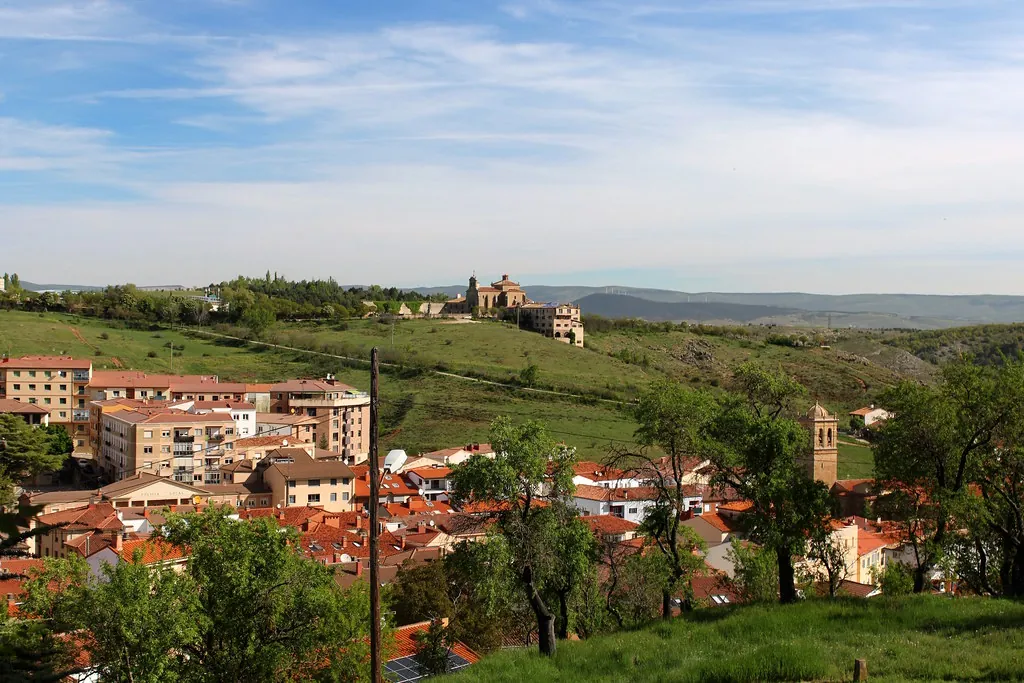
Merindad de Sotoscueva comprises twenty-odd hamlets scattered across 130 square kilometres of mountain terrain. Cornejo, the administrative centre, clusters around a twelfth-century Romanesque church whose weathered carvings hint at Moorish influences. The village spreads up a steep hillside; houses built from local limestone blend seamlessly into the mountain itself.
Cueva village, despite its name, sits above ground on a narrow ridge. Traditional stone granaries on stilts still store grain and drying hay, while modern renovations have transformed several properties into comfortable self-catering accommodation. La Casona de Cueva offers three bedrooms from €90 nightly, including breakfast featuring local honey and the region's famously mild morcilla de Burgos.
The altitude here—most villages perch between 600 and 900 metres—creates a climate closer to northern England than central Spain. Summer temperatures rarely exceed 25°C, making it ideal for walking, though you'll need a fleece even in July. Winters bring snow from November through March; chains become essential, and some higher hamlets become temporarily inaccessible.
Walking Through Four Seasons
The PR-BU 76 circular route starts from the Ojo Guareña visitor centre, winding 12 kilometres through beech forests and across limestone pavements. Marked with yellow-and-white flashes, the path takes four hours including stops to peer into sinkholes where entire streams vanish underground. Spring brings wild daffodils and early purple orchids; autumn transforms the woodland into copper and gold.
More ambitious walkers tackle the Ruta de los Desfiladeros, connecting several hamlets via ancient mule tracks. The 18-kilometre route from Cornejo to Cueva passes abandoned watermills and medieval bridges, dropping into deep valleys before climbing back to ridge-top villages. Pack lunch—village bars serve hearty €10 menús del día, but opening hours remain unpredictable outside summer weekends.
Mountain bikers find excellent terrain on the old mining tracks threading through the valley. BTT Merindades rents quality bikes from €25 daily and provides GPS routes ranging from gentle valley-floor rides to technical descents requiring full suspension. The network connects with longer-distance routes extending into neighbouring Cantabria, though you'll need several days to explore properly.
What to Know Before You Go
Public transport reaches Merindad de Sotoscueva twice daily from Burgos—morning departure at 09:15, returning at 17:30. The journey takes ninety minutes through increasingly wild countryside; buy tickets on board for €6.40 each way. Having your own vehicle transforms the experience, allowing exploration of remote hamlets and spontaneous stops when weather clears to reveal distant peaks.
Accommodation options remain limited but characterful. Casa Rural El Hoyal in Cornejo occupies a restored seventeenth-century house with original beams and modern heating—essential during cooler months. Three nights minimum stay in high season (July-August) costs from €120 nightly for the whole house. Booking ahead proves essential during August fiestas, when returning emigrants swell village populations tenfold.
The area's gastronomy reflects its mountain geography. Restaurant El Cornejo serves seasonal specialities including wild boar stew and grilled trout from local rivers. Their set menu costs €18 including wine, though portions challenge even hearty appetites. Vegetarians should note: traditional cooking here means meat, with vegetable dishes usually limited to tortilla and the ubiquitous tomato-rubbed toast.
Merindad de Sotoscueva won't suit everyone. Mobile phone coverage remains patchy between villages, and English is rarely spoken outside visitor facilities. Weather changes rapidly—sunshine can transform to thick fog within minutes, making navigation treacherous for the unprepared. Those seeking nightlife or shopping should look elsewhere.
Yet for travellers wanting authentic rural Spain, where shepherds still drive flocks along ancient paths and village life continues much as it has for centuries, this mountain enclave delivers. Come prepared for changeable weather, bring walking boots, and allow time to adjust to the slower rhythm. The caves will still be there tomorrow, and the locals certainly won't hurry on your account.