Full Article
about Merindad De Valdeporres
Ocultar artículo Leer artículo completo
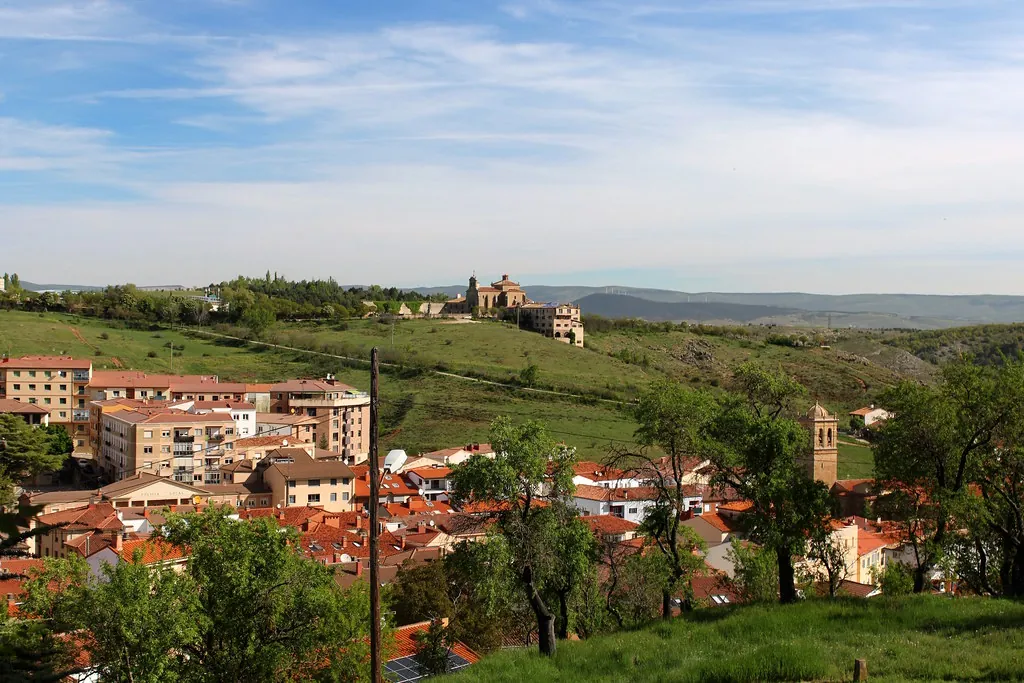
The stone trough in Quintanilla de Rucandio still runs with water from the same spring that fed livestock three centuries ago. A woman in house slippers rinses lettuce leaves while discussing tomorrow's weather with her neighbour across the lane. This is Merindad de Valdeporres at its most honest: a working municipality where tourism feels incidental rather than essential.
Forty kilometres northeast of Burgos, where the Meseta starts its final roll towards the Cantabrian Mountains, five thousand souls inhabit a scatter of stone villages that merged administratively in 1975. The arrangement works. Each settlement maintains its own rhythm while sharing services, council offices and an abiding suspicion of anything that smacks of urban haste.
Stone, Timber and the Weight of Years
The architecture here predates the selfie. Casonas built from local limestone squat beside their original stables, the wooden balconies added later when someone decided fresh air aided digestion. Doorways carry dates—1783, 1821, 1897—carved by masons who understood their work would outlast them. Some houses stand pristine, others sag pleasantly, their roofs patched with whatever tiles came to hand after the last storm.
Quintanilla de Rucandio's parish church demands twenty minutes of anyone's time. The tower appears oversized for the village until you realise it doubled as a defensive lookout when French troops wandered through in 1808. Inside, baroque retablos gleam with the devotion of villagers who've never considered worship optional. The sacristan keeps the key; ask at the house with the green door opposite the bakery.
Rucandio itself clusters around a medieval core where streets narrow to single-file width. Soto de Rucandio spreads more generously along a ridge, its houses oriented south to catch winter sun. Between them lie hamlets of four or five households: Sobron, Villasuso, Villagalijo, places that appear on no postcards yet maintain their own festivals, their own grievances, their own particular way of pronouncing Castilian.
Walking Through Four Centuries
Footpaths connect everything. The camino from Quintanilla to Rucandio follows a drovers' route first charted in 1634, passing through hay meadows where oaks stand isolated like punctuation marks. Spring brings cowslips and orchids; autumn delivers a painter's box of ochres and rusts. The walk takes ninety minutes if you dawdle, forty if you're British and genetically incapable of strolling.
Maps help. The tourist office in Quintanilla—open Tuesday and Thursday mornings, Saturday if someone's remembered to unlock—distributes photocopied leaflets showing three circular routes. None exceed eight kilometres. All involve sections where the path disappears into ploughed earth or where a farmer has rerouted it through a new gate. This isn't incompetence; it's simply how things work when land serves livelihood rather than leisure.
Serious hikers can follow the GR-99. The long-distance trail skirts the municipality's northern edge, descending from the Montes de Valdivia through beech woods that feel improbably northern for Spain. The route drops 600 metres in twelve kilometres, terminating at the Ebro River where herons fish beside a ruined flour mill. Transport back requires pre-arrangement; local taxi driver Jesús charges €25 but needs 24 hours' notice.
What Actually Matters Here
Food arrives as it always has. Lamb from flocks that graze the surrounding hills, white beans grown in small plots behind houses, potatoes that taste of soil rather than supermarket refrigeration. The weekend asador in Quintanilla serves roast suckling pig for €18 portions, but only when enough customers materialise to justify firing the wood oven. Midweek visitors should pack sandwiches or risk hunger.
The bar in Rucandio opens at seven each morning for coffee and continues through to midnight, serving whatever the proprietor's wife decides to cook. Thursday might bring cocido; Friday probably features bacalao. Vegetarians receive sympathy rather than options. Wine comes from Rioja, forty kilometres south, served in glasses thick enough to survive repeated washing.
Festivals punctuate rural life with necessary punctuation. San Roque on 16 August transforms Quintanilla into a three-day street party featuring brass bands that perform with more enthusiasm than accuracy. The Romería de Santa Bárbara in early December involves a procession to the mountain shrine followed by anise-based liqueur that strips paint. Foreign visitors receive invitations to join; refusal causes genuine offence.
Practicalities for the Unprepared
Getting here requires wheels. Burgos bus station offers two daily services that terminate in Quintanilla after ninety minutes via every hamlet along the N-232. The 14:30 departure allows same-day returns; the 18:00 doesn't. Car hire from Burgos airport costs £35 daily; driving takes forty minutes on roads that wind like they were designed by someone avoiding tolls.
Accommodation totals twelve rooms across the entire municipality. Casa Rural La Casona occupies a seventeenth-century mansion in Quintanilla with beams you can't quite stand upright beneath. €65 nightly includes breakfast featuring eggs from hens you can hear clucking. Alternative options exist in neighbouring Merindades; the tourist office maintains a list updated when someone remembers.
Weather demands respect. At 800 metres altitude, nights stay cool even in August. Winter brings snow that isolates villages for days; roads close, passes block, the British habit of assuming gritting happens automatically proves laughably optimistic. April and October offer the best compromise: warm days, cold nights, paths passable, bars open.
The Reality Check
This isn't a destination for tick-box travellers. souvenir shops don't exist, the nearest cash machine stands fifteen kilometres away, mobile reception vanishes in every valley. What Merindad de Valdeporres offers instead is continuity: the sense that somewhere in Europe, life proceeds according to patterns established when distance measured in days rather than data.
The woman rinsing lettuce finishes her task, bids her neighbour good afternoon, disappears behind a wooden door that closes with the solid thunk of centuries. Nothing has happened, yet everything continues. Sometimes that's precisely what travelling should achieve.