Full Article
about Nava De Roa
Ocultar artículo Leer artículo completo
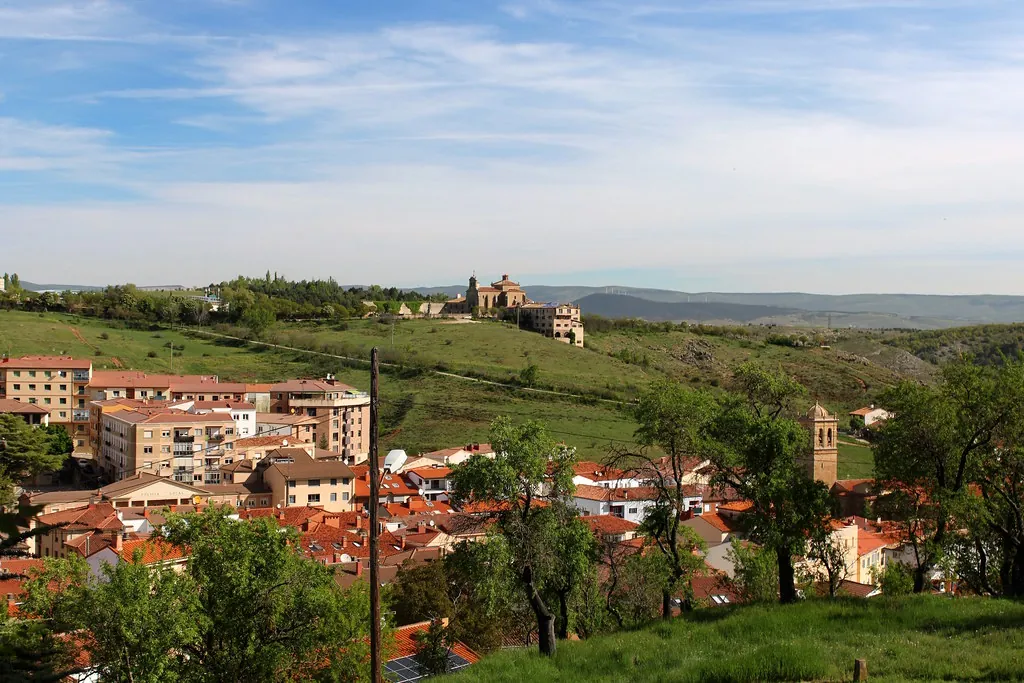
The church bells strike seven, but nobody hurries. Two men in soil-dusted boots are still finishing their cañas outside Bar Los Amigos, the wine leaving faint purple rings on the counter. In Nava de Roa, 815 metres above sea level on Spain’s northern plateau, time is measured less by the clock than by the vineyard cycle. Bud-break, veraison, harvest, pruning: each brings its own hush or hum to the single main street that threads through this stone-built village of 180 souls.
A Plateau That Breathes
Stand on the edge of town at sunset and the meseta seems to exhale. Row upon row of tempranillo vines roll away, their trellis wires glinting like guitar strings. The Duero valley proper lies 12 km south, but up here the air is thinner, the light sharper. Mornings can start at 3 °C even in May; by midday the thermometer lunges past 20 °C. That diurnal swing is what concentrates the grapes – and what makes British visitors reach simultaneously for sunglasses and fleece.
There are no mountains in the postcard sense, yet the altitude matters. Footpaths strike out across cereal fields and onto low, chalky ridges. A 45-minute circuit north-west to the ruined ermita of Santa Ana gains 120 m – enough to peer down onto the village’s terracotta roofs and the odd, cylindrical dovecotes that rise like stubby chimneys from the wheat stubble. After heavy rain the clay tracks glue themselves to boots; in July the same earth turns to talcum-fine dust that coats anything slower than a tractor.
Winter is when you notice the height most. Cold air pools in the hollows, glazing the vines with hoar frost. Roads stay passable – the A1 is only 20 minutes away – but the secondary DP-123 that zigzags up from Aranda de Duero can ice over before breakfast. Chains are rarely needed, yet a hire-car without winter tyres will spin its wheels on the steep final bend. Come prepared, or simply wait for the sun to do its work; by 11 a.m. the tarmac is usually clear.
Wine First, Everything Else Second
Ribera del Duero status means grapes outrank people. The cooperative on the outskirts can process two million kilos in a season – ten tonnes for every resident. Visit during the September vendimia and the village smells of crushed blackberry and yeast. Tractors towing gull-wing trailers queue along Calle Real, their tyres caked in mud the colour of ox blood. Nobody minds the hold-up; the bar owner simply brings more tumblers outside.
Two commercial bodegas welcome strangers by appointment. Bodegas Montebellón offers a brisk, business-like tour: stainless-steel tanks, French oak, horizontal tasting of crianza and reserva. Señorío de Nava is smaller, family-run; the owner’s mother may appear with a plate of chorizo cubes while she explains why 2017 was “un año complicado”. Tastings are complimentary if you buy a bottle (around €14 for the entry-level tinto). Six-bottle cases are sold from the loading bay – bring a sturdy carrier or risk clanking all the way home.
Wine also dictates the food. Roasts arrive late, designed for harvest labourers who spent eight hours snipping stems. At Los Buhos, the only restaurant with a printed menu, cordero lechal is served in quarter-lamb portions: tender enough to cut with a bread-and-butter knife, the skin blistered into a brittle parchment. A half ration (£14) feeds two modest British appetites; add a plate of pimientos de Padron and you have change from twenty. Vegetarians get migas – fried breadcrumbs with garlic and grapes – filling if hardly virtuous.
What Survived the Fire
Nava de Roa never grandstanded. When Philip II’s treasury needed wool tax in the 16th century, local merchants paid up; when the 1836 fire swept through, they rebuilt in the same honey-coloured stone. The result is continuity rather than grandeur. The Iglesia de la Asunción has a Plateresque portal you could walk past without noticing, yet inside retablos gilded with American gold still gleam under LED spotlights. Drop a euro in the box and lights flick on for three minutes – long enough to pick out the 15-century Flemish panels showing saints with distinctly Castilian noses.
Houses along Calle de los Hidalgos still display family coats of arms: a star, a lion, a bunch of grapes rampant. One façade bears the date 1602 and the inscription “Ave María” carved so deeply the letters cast shadows like small sundials. Most dwellings are privately owned, many by weekenders from Valladolid who restored beams and installed underfloor heating. Peek through an open portal and you may glimpse a courtyard paved with well-heads and potted geraniums – the Spanish talent for exterior living intact even at 40 °C.
The Practical Bits No One Mentions
There is no cash machine. None. The nearest servo-terminal sits beside a petrol pump in Roa de Duero, 7 km east; if the computer is down, the next option is Aranda – a 25-minute drive. Stock up on euros before you arrive or prepare to sweet-talk the barman into running a card for wine.
Shops keep medieval hours. The tiny grocer opens 09:00-14:00, shuts, then maybe reappears at 17:30 if the owner’s granddaughter has a football match. Bread arrives at 10:00; by 11:30 it’s gone. Plan breakfast early or embrace the Spanish habit of eating it at lunchtime.
Mobile coverage wobbles. Vodafone and EE manage one bar on the plaza; WhatsApp voice works, video calls dissolve into cubist blocks. Most rural houses have fibre faster than central London – ask for the Wi-Fi code before you accept the room key.
When to Come, When to Stay Away
Spring is the sweet spot. From late April the vines feather into luminous green, storks circle overhead and daytime temperatures hover in the low 20s. Almond blossom finishes by early May, but wild thyme flowers along the paths, scenting the air with a smell somewhere between oregano and TCP. Weekdays are virtually empty; on Saturdays a cycling club from Burgos may clog the terrace for an hour, then pedal off.
Autumn brings spectacle and crowds. During the first two weekends of October coach parties descend for the harvest fiesta. Plastic tables sprout on the plaza, a sound system materialises, and someone’s uncle DJs until two. Rooms triple in price – from €55 to €140 – and the single taxi is booked solid. If you want colour without karaoke, come in the third week of September when grapes are being snipped but the fiesta committee is still arguing over poster design.
Summer is doable but demands discipline. Thermometers touch 35 °C by noon; the stone houses exhale heat until midnight. Walk at dawn, nap through the glare, resume at six when the light turns butterscotch and the swifts start their evening sorties. Carry water – the agricultural fountains are marked “no potable”.
Winter is monochrome yet oddly comforting. Vines stand like charcoal sticks, the air smells of wood smoke, and every bar suddenly has a log burner. A bright January morning with snow on the distant Sierra de la Demanda can feel Alpine, though night temperatures drop to -8 °C. Hotels slash prices; some close entirely. Confirm before you book, and bring slippers – stone floors are cold all day.
Leaving Without a Hangover
Nava de Roa will not change your life. It offers no Michelin stars, no Moorish castle, no queue-for-a-selfie viewpoint. What it does provide is a calibration reset: a place where lunch stretches two hours and the loudest sound at 3 a.m. is a dog reminding the moon who’s boss. Drive out at dawn the next day and the plateau looks flat enough to iron shirts on. Then the sun lifts, the vines flush from grey to green, and somewhere a tractor coughs into life. The village has started its next shift, entirely unconcerned whether you stayed for one glass or three.