Full Article
about Oquillas
Ocultar artículo Leer artículo completo
The morning light hits the stone houses differently in Oquillas. At 6:30 am, when the cereal fields beyond the village edge turn amber and the only sound comes from swifts cutting through thin air, you'll understand why this Burgos municipality doesn't need medieval walls or Renaissance palaces to make an impression. What it offers instead is increasingly rare: a Castilian settlement that hasn't been polished for passing trade.
The Architecture of Ordinary Life
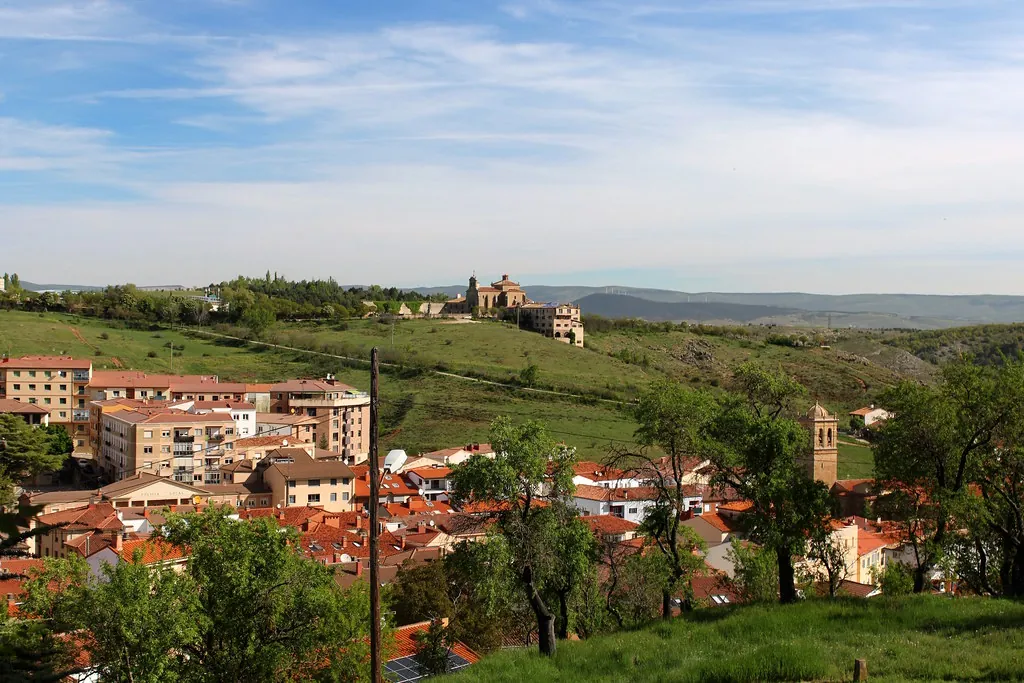
Walking through Oquillas reveals nothing extraordinary—which is precisely the point. The village's single-storey houses, built from local limestone and the occasional adobe wall, show weather patterns more clearly than any meteorological chart. Wooden doors, some dating back three generations, hang slightly askew on forged iron hinges. Above them, south-facing balconies still serve their original purpose: drying laundry, storing agricultural tools, providing shade during the brutal July heat that can reach 38°C.
The parish church anchors the village centre, though calling it a landmark feels grandiose. Its modest bell tower, constructed in phases between the 16th and 18th centuries, houses a single bell that marks the hours with studied indifference. Step inside during opening hours—typically 10 am to noon when the caretaker remembers—and you'll find a nave decorated with agricultural motifs carved by local craftsmen, plus a 17th-century altarpiece that survived the Spanish Civil War through sheer obscurity.
Notice the stone benches flanking the church entrance. These serve as the village's informal parliament, where men over seventy solve world problems between 11 am and 1 pm daily, weather permitting. The women prefer the small square behind Calle Mayor, where plastic chairs appear spontaneously around 5 pm for what locals call "la tertulia," though conversation flows more freely than merlot at these gatherings.
Working the Horizontal Landscape
Oquillas sits at 840 metres above sea level, planted squarely on Spain's central plateau. The topography lacks drama—no dramatic peaks, no plunging valleys, just an ocean of cereal fields that stretches until geography becomes abstraction. This apparent monotony rewards patient observation. Spring brings green wheat rippling like water in the constant wind. By late June, the same fields turn golden, their uniformity broken only by concrete grain silos that serve as navigation points for locals walking home from neighbouring villages.
The flat terrain invites gentle exploration rather than serious hiking. Ancient livestock paths, now converted to agricultural tracks, connect Oquillas with settlements like Caleruega (12 kilometres east) and Aranda de Duero (25 kilometres south). These routes require no specialist equipment—decent walking shoes suffice—but do demand preparation. Download offline maps before setting out; the track network forms an agricultural maze where every junction looks identical, particularly during summer when heat haze blurs the horizon.
Birdwatchers should bring binoculars, though manage expectations. You'll spot common buzzards riding thermals, the occasional kestrel hovering over fallow fields, and red-legged partridges that explode from wheat stubble with comic timing. The real stars appear at dawn and dusk: short-eared owls hunting along field margins, plus migrating species following the Duero valley corridor during April-May and September-October.
Eating According to the Seasons
Food here follows agricultural cycles with religious devotion. Winter means cocido stew served at 2 pm sharp, heavy with chickpeas, morcilla blood sausage, and vegetables preserved from summer gardens. Spring brings tender lamb, roasted slowly with garlic and bay leaves in wood-fired ovens that most houses still maintain. Summer offers gazpacho variants made from garden tomatoes, plus endless variations on tortilla featuring eggs from village hens that scratch freely through alleyways.
Don't expect restaurants with English menus or chefs deconstructing traditional dishes. The single bar on Plaza de España serves coffee from 7 am, beer from 10 am, and basic raciones when the owner's son remembers to buy provisions. The menu del día costs €12 and might feature roast suckling pig if someone's celebrating a baptism, or lentils with chorizo if economic times prove challenging.
For self-catering, visit the bakery on Calle San Roque (opens 6:30-9:30 am, closed Tuesday). Their wood-fired bread develops a crust that could substitute for building materials, but the crumb stays moist for three days—essential knowledge since the shop opens sporadically. The neighbouring grocer stocks local cheeses made from Manchega sheep milk, plus embutidos from family operations in surrounding villages. Ask specifically for "chorizo de Oquillas" if available; the village's version includes pimentón grown in neighbouring Aranda, giving a distinctive smoky flavour that supermarket varieties never achieve.
When the Village Remembers It's a Village
August transforms Oquillas completely. The fiesta patronal, honouring the Assumption, draws former residents from Madrid, Barcelona, even London. Population swells from 85 permanent inhabitants to roughly 500 during the second weekend. Temporary bars appear in the square, serving tapas until 3 am while brass bands compete with reggaeton from improvised sound systems. The Sunday bull-running event—more accurately, young men chasing confused calves through barricaded streets—divides opinion even among locals. Some participate with ancestral enthusiasm; others decry the tradition while watching from balconies, ensuring they miss nothing.
Semana Santa proves more contemplative. Thursday evening's silent procession, featuring twelve hooded penitents carrying an 18th-century Virgin statue, moves through streets lit only by candles. The only sound comes from wooden staffs striking cobblestones—three taps, pause, three taps—marking time since medieval times. Visitors welcome, photography discouraged, atmosphere guaranteed regardless of religious inclination.
Practical Realities
Getting here requires wheels. Burgos, with its high-speed rail connection to Madrid (2 hours 15 minutes), lies 60 kilometres north. Car rental from the airport costs approximately €35 daily; the journey takes 50 minutes via the A-1 motorway, then country roads where wheat fields replace traffic. Public transport exists in theory—a weekday bus departing Burgos at 2 pm, returning 6 am next day—but serves schoolchildren primarily. Hitchhiking works during harvest season when farmers travel between villages, though Spanish language helps enormously.
Accommodation options remain limited. The village lacks hotels entirely. Two houses offer rooms to rent through word-of-mouth arrangements: ask at the bar, where Miguel keeps a mental inventory. Expect €25-30 nightly for basic rooms with shared bathrooms, breakfast negotiable. Camping proves easier—farmers generally allow tent pitching in field margins if asked politely, particularly outside growing season. Bring water; the agricultural supply tastes metallic but won't cause illness.
Weather demands respect. Summer brings relentless sun and temperatures touching 40°C; shade becomes more valuable than gold. Winters bite hard—night temperatures drop to -8°C regularly, and heating oil costs force villagers to bed by 10 pm. Spring and autumn provide the sweet spot: mild days, cool nights, and skies so clear that light pollution maps show Oquillas in complete blackness. On new moon nights, the Milky Way appears close enough to touch, assuming you brought a jacket for the inevitable temperature drop after midnight.
The village won't change your life. No epiphanies await on dusty street corners, no transformative experiences hide behind stone walls. What Oquillas offers instead is harder to find: a place where daily rhythms continue regardless of visitor presence, where front doors stay unlocked, where the bakery knows exactly who's buying bread at 7 am because they've watched three generations grow up, leave, and return. Come prepared for that reality, and the horizontal landscape might just reveal its subtle magic.