Full Article
about Presencio
Ocultar artículo Leer artículo completo
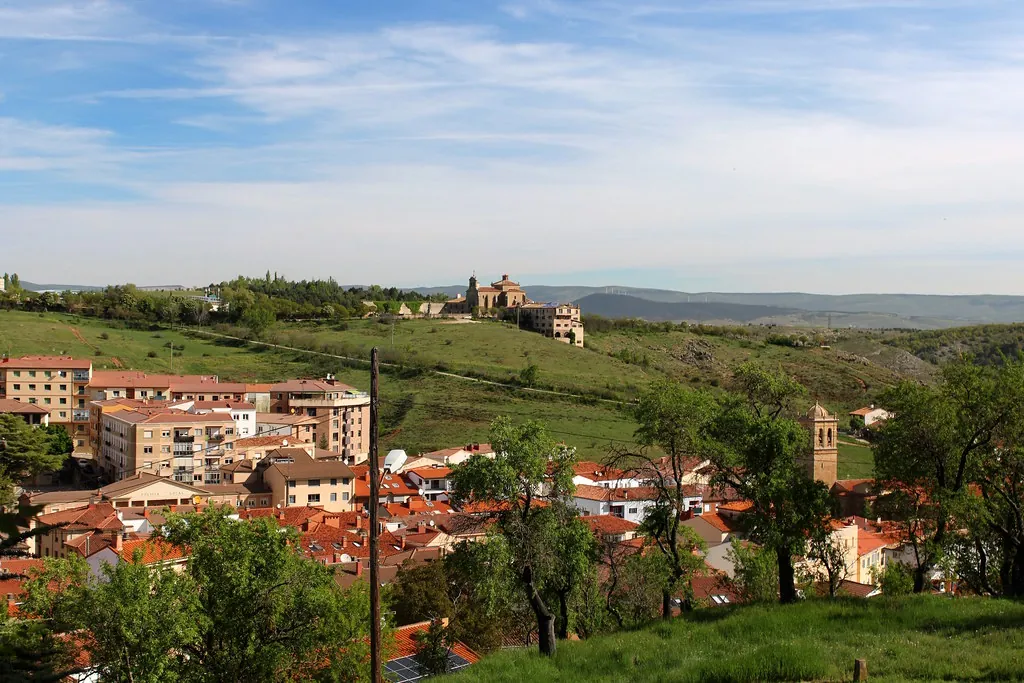
The church bell strikes noon, but nobody hurries. An elderly man in a beret adjusts the rope on his donkey cart while two women discuss tomorrow's weather over wrought-iron balconies. This is Presencio, 940 metres above sea level on the northern edge of Spain's central plateau, where the cereal fields stretch so wide that clouds cast shadows the size of football pitches.
At first glance, the village appears to be shrinking into its stone foundations. Population 132 on the last census, down from nearly 400 in the 1950s. Yet look closer: fresh mortar between bricks on Calle Real, newly planted geraniums in terracotta pots, a renovated barn conversion with Belgian number plates outside. Presencio isn't dying—it's selecting its inhabitants with the precision of a medieval gatekeeper.
The altitude matters here. Even in July, nights drop to 14°C when Burgos city swelters at 28°C. Winter tells a different story. January's average high of 6°C feels punishing when the wind whips across the meseta, and snow can isolate the village for days. The road from Burgos—60 kilometres of increasingly narrow tarmac—becomes treacherous after the first frost. Local advice: carry blankets and water between November and March, mobile reception dies at the worst possible moment.
Stone, Mud and Stories
Presencio's architecture refuses grand gestures. The parish church of San Juan Bautista squats at the village centre like a weathered toad, its 16th-century bell tower repaired so many times that the stone changes colour halfway up. Inside, the air smells of beeswax and centuries-old timber. No admission charges, no audio guides—just a handwritten notice asking visitors to close the door against swallows.
The houses tell more honest stories. Adobe walls three feet thick keep interiors cool during August's furnace and retain heat through January's knife-edge mornings. Many still have their original bodegas—underground cellars where families once pressed grapes from vines that died during the 1950s phylloxera outbreak. Today these spaces store potatoes and bicycles rather than wine, though you'll spot the occasional grandfather teaching grandchildren to make the local morcilla using generations-old techniques.
Walk Calle de los Moros at dusk when the western light turns stone walls honey-gold. Halfway down, number 14 displays a carved coat of arms above its door—three wolves and a castle, barely visible after centuries of wind erosion. The family who commissioned it died out during the Civil War. Their house now belongs to a couple from Ghent who arrive each Easter with crates of Belgian beer and leave in October with bootloads of local cheese.
The Arithmetic of Silence
Morning brings the best walking. Follow the dirt track past the last houses, through fields where wheat shimmers like water in the breeze. After twenty minutes, the village disappears behind a ridge. You're alone with skylarks and the occasional tractor, driven by farmers who raise one finger from the steering wheel in greeting but rarely stop to talk.
The landscape performs subtle tricks. What appears flat reveals itself as gently rolling country, each rise offering views across kilometres of cereal cultivation. In May, green dominates. By late July, everything turns gold-brown except where irrigation circles create alien-green dots on the brown canvas. Photographers arrive expecting dramatic mountains; they leave with memory cards full of subtle transitions and impossible horizons.
Spring and autumn provide the sweet spot for hiking. April's temperatures hover around 18°C, perfect for the 12-kilometre circuit to Villariezo and back. The path follows ancient drove roads wide enough for two ox carts—evidence of when these villages served as overnight stops for merchants driving livestock to Burgos markets. September offers similar conditions plus the added theatre of harvest, though combine drivers work fourteen-hour days and won't appreciate walkers wandering through active fields.
What Passes for Excitement
Presencio's fiesta patronale happens during the second weekend of August, when the population temporarily triples. Returned emigrants from Bilbao and Barcelona squeeze into houses built for larger families. The Saturday night dance spills from the sports pavilion into Plaza Mayor, music continuing until neighbours' patience expires—usually around 3 am. Sunday's paella feeds 300 people using three-metre-wide pans that require scaffolding to move. Tourists welcome, but understand you're observing someone else's homecoming rather than participating in a show.
Food here follows agricultural rhythms. The single bar opens at 7 am for farmers' breakfasts—strong coffee with a shot of brandy, plus toast rubbed with tomato and garlic. Lunch service finishes at 3:30 pm sharp; arrive later and you'll get crisps and apologies. Try the cordero lechal if available—milk-fed lamb roasted in wood ovens until the skin crackles like parchment. Vegetarians face limited options: tortilla española or cheese plates featuring queso de Burgos so fresh it squeaks against teeth.
Shopping requires planning. The nearest supermarket sits 18 kilometres away in Medina de Pomar, so locals bulk-buy everything from olive oil to toilet paper. The village shop closed in 2008; its owner, Doña Mercedes, still lives above the empty premises and will sell you eggs from her hens if you catch her in a good mood. Knock loudly—she's rather deaf.
The Reality Check
Let's be candid: Presencio suits certain travellers and repels others. If you need nightlife beyond a bar that closes at 10 pm, stay elsewhere. The nearest petrol station requires a 25-minute drive. Mobile data crawls along at 3G speeds on a good day. Rain turns streets to mud because nobody saw the point of expensive drainage for thirty houses.
Yet these apparent drawbacks create something increasingly rare: a place where human scale still matters, where neighbours notice if the elderly man at number 7 hasn't collected his mail, where children play in streets without constant supervision. The Belgian couple who restored that barn spent €80,000 and three years navigating Spanish bureaucracy. They claim it's the best money they've ever spent, though they admit January nearly broke them.
Winter visitors should book accommodation carefully—only two houses offer tourist rentals with proper heating. Summer brings more options, plus the municipal swimming pool (€2 entry, open June to September). Spring remains the wisest choice: comfortable temperatures, green landscapes, plus the Easter weekend when Processión de los Pasos brings out every resident in traditional dress.
The road back to Burgos passes through Miranda de Ebro, where motorway services sell overpriced sandwiches and petrol. Presencio recedes in the rear-view mirror, another Castilian village that refused to become a theme park of itself. Some travellers forget it within days. Others find themselves planning return visits, drawn by something they can't quite name—the quality of light at 940 metres, perhaps, or the way silence can feel like a physical presence.
Either reaction proves Presencio's point: the meseta doesn't reveal itself to everyone. It prefers visitors who arrive without checklists, who understand that real places require time and patience rather than instant comprehension. The village will still be there, getting on with the business of living, long after the last tourist has departed.