Full Article
about Puentedura
Ocultar artículo Leer artículo completo
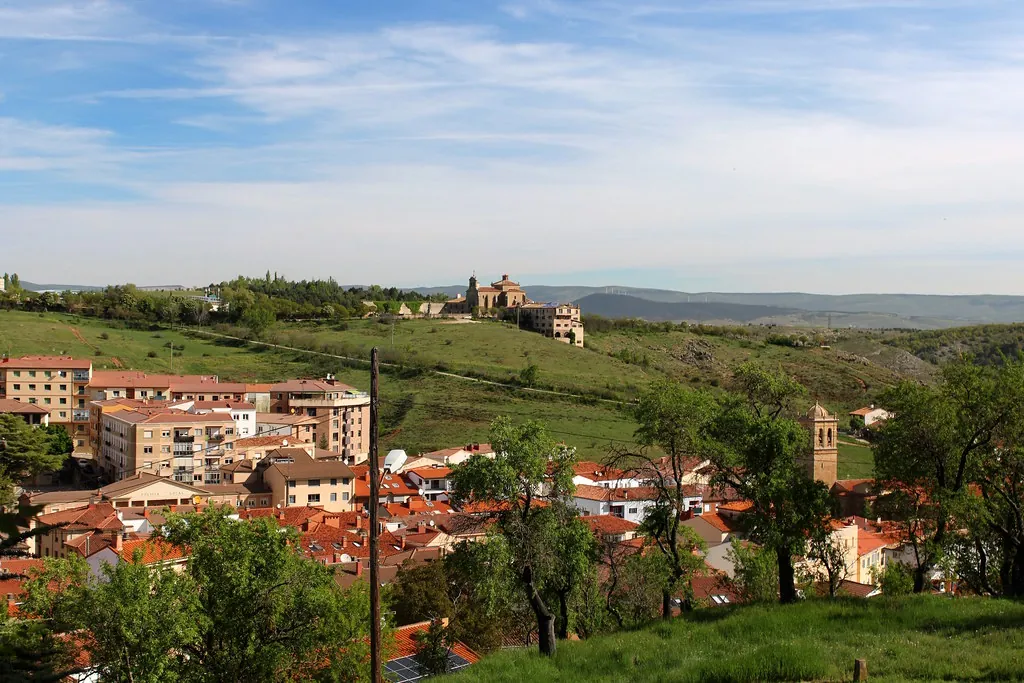
The church bell strikes noon, and the only other sound is a tractor grinding through wheat stubble somewhere beyond the stone houses. In Puentedura, population 156, the siesta starts early and lasts longer than any guidebook admits. This hamlet sits 940 metres above sea level on a gentle rise of Burgos province, high enough for the air to carry a sharp edge in October yet still baked by July sun that turns the surrounding cereal plains bronze.
A Village that Refuses to Perform
British visitors arriving with visions of manicured plazas and souvenir stalls will need to recalibrate. Puentedura's main street is a stretch of cracked tarmac where elderly men in berets occupy a single bench like assigned seating. The parish church of San Pedro – rebuilt piecemeal since the sixteenth century – keeps its doors locked unless mass is imminent; ring the presbytery bell and the sacristan appears in slippers, key in hand, muttering that photography inside "depends on the light".
What passes for tourism infrastructure is a hand-painted map board outside the ayuntamiento, faded to pale yellow. Yet the place works. Mobile signal drops to one bar between the bakery (open 8–11 am, cash only) and the village fountain, forcing a disconnectedness that most retreats charge £200 a night to deliver. Walking tracks begin where the asphalt ends; within ten minutes the horizon widens into an ocean of wheat, the Duero basin stretching north towards Valladolid.
Walking into the Grain
The GR-14 long-distance path skirts Puentedura on its way from Santo Domingo de Silos to El Burgo de Osma, but shorter loops suit an afternoon. Head south-east along the farm track signposted "Ermita del Carrascayu" and you reach a tiny nineteenth-century shrine in 35 minutes. The route passes through two gates; close them. Cattle here have right of way, and the local vet drives a Land Rover Defender older than most visitors.
Spring brings calorific green wheat and larks overhead; by late June the stalks shimmer like dry sand. Take water – there is none en route – and expect wind. Even in May the breeze arriving from the Meseta can knock three degrees off the temperature, so pack a fleece inside that daypack. Autumn adds red poppies among the stubble and the occasional Amanita mushroom, but identification guides are essential; the village pharmacist will happily explain which varieties the hospital in Aranda de Duero sees most often.
Eating (or Not) in the Highlands
Puentedura has no restaurant, café or bar. Zero. The bakery sells sticky palmiers until they run out, usually by 10 am, and the grocery – two aisles, tinned tuna facing the till – stocks local chorizo at €6 a loop. Plan accordingly. The nearest menu del día is a 12-minute drive to Salas de los Infantes where Casa Ramón dishes out lechazo (roast suckling lamb) for €18 including wine, Tuesday to Sunday lunch only.
Self-caterers should aim for the Saturday market in Belorado, 28 kilometres west. Stallholders there offer morcilla de Burgos so fresh the rice grains inside retain bite, and tetilla-shaped cheeses mild enough for tentative British palates. If you rent one of the three village houses available through the regional tourist board, the kitchen comes with a proper knife and a paella pan big enough for six – optimistic in Puentedura, but standards matter.
Winter Silence, Summer Smoke
Access changes with the season. Snow seldom settles in the streets, yet night frosts can persist until April, turning the farm lanes glassy. A front-wheel-drive car copes, but carry chains if you're booked into the rural hotel in neighbouring Barbadillo – the shortcut track is the first to ice over. Summer reverses the problem: asphalt softens, and the smell of hot pine drifts down from the Sierra de la Demanda. August fiestas fill the plaza with smoke from sardine grills; the population triples as descendants return from Burgos city. Accommodation prices don't budge – there still aren't enough visitors to justify dynamic pricing – but earplugs help if your bedroom faces the temporary bar installed next to the football pitch.
The 30-Kilometre Rule
Use Puentedura as a base only if you enjoy driving. Within half an hour north lies the Romanesque cloister of Santo Domingo de Silos, famous for Gregorian chant CDs sold in the gift shop. South-east, the canyon of the Cañón del Río Lobos offers shaded hikes beneath griffon vultures. Both destinations overflow at weekends; leave early or accept queueing behind Madrid minibuses. Closer, and quieter, is the Ermita de San Baudelio near Berlanga de Duero: an eleventh-century cave church with Moorish-inspired frescoes now replica-protected in Madrid's Prado. Entry is free, the custodian simply asks you sign a ledger and close the door against jackdaws.
Practical Notes without the Bullet Points
The UK registration plates on your hire car will be noticed. Expect waves from farmers and questions about fuel prices. Sunday morning bread requires Saturday afternoon reservation; knock on the baker's green door opposite the post box. Cash remains king – the village ATM dispenses €50 notes no one wants to change, so bring smaller denominations. Finally, silence after 10 pm is not a marketing slogan; it's village law, enforced less by decree than by neighbours who rise at five to irrigate. Respect it, and Puftedura repays with skies so dark you'll wonder why we ever put up with orange streetlights back home.