Full Article
about Quintana Del Pidio
Ocultar artículo Leer artículo completo
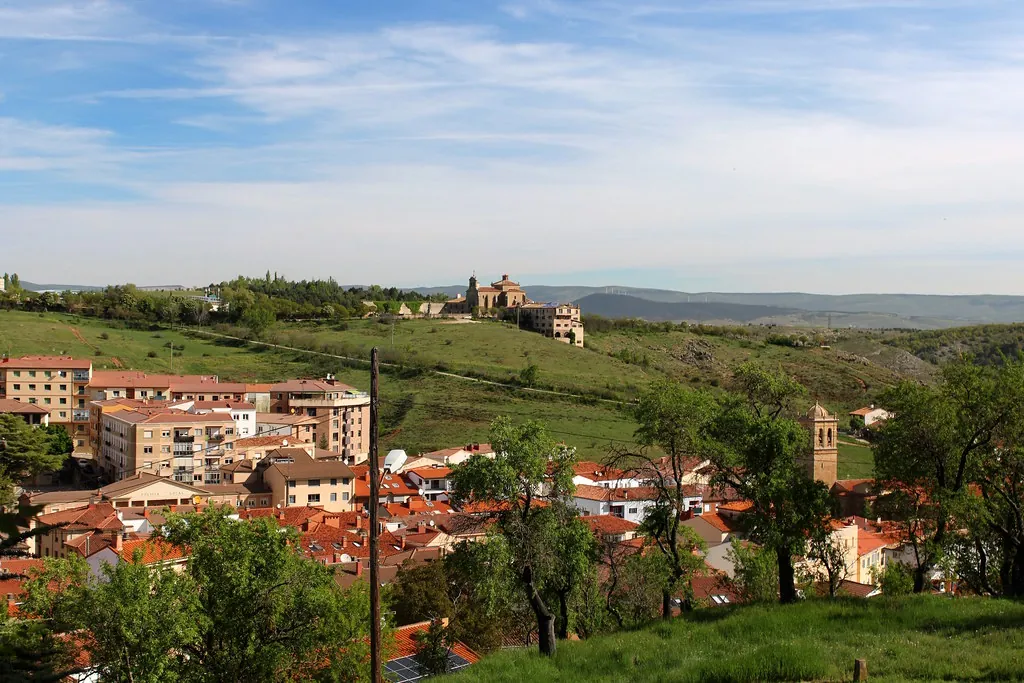
The church bell strikes noon, and Quintana del Pidio falls silent. Not the hushed quiet of a museum, but the practical silence of a working village where everyone's gone home for lunch. The only movement comes from swifts diving between terracotta roofs, and the occasional tractor returning from the surrounding wheat fields that stretch to every horizon.
This is Castilla y León at its most honest. No souvenir shops, no interpretive centres, just 500 souls living among low stone houses that have weathered eight centuries of continental climate. The village sits 850 metres above sea level on Spain's northern plateau, where winter temperatures regularly drop below freezing and summer afternoons hit 35°C. The altitude matters more than the modest population figure suggests—it shapes everything from the architecture to the pace of life.
The Architecture of Survival
Adobe walls two feet thick aren't decorative. They're thermal regulators, absorbing cool night air during summer and retaining stove heat through winter. Walk Calle Real at dawn and notice how the stone-built houses face southeast, their few windows shuttered against the prevailing winds. The occasional wine cellar door hints at underground storage excavated when keeping wine at 14°C year-round required more than a fridge.
The parish church of San Andrés dominates the highest point, its modest bell tower visible across the sea of grain. Built in the 16th century from local limestone, it replaced an earlier Romanesque structure whose stones were recycled into nearby farm walls. Inside, the single nave feels intimate rather than grand—space for 200 worshippers maximum, reflecting historical village size. The baroque altarpiece survived the Civil War because residents hid it behind a false wall, a local story that emerges if you ask at the bakery.
Those bodegas beneath houses? Most remain private, but Bodegas del Pidio opens two Saturdays monthly for tastings. The family dug their cellar by hand through calcareous soil in 1923, creating 300 square metres of tunnels where tempranillo ages in American oak. Their £8 tasting includes three wines and local cheese—book via WhatsApp, because they don't maintain a website.
Working the Land
Visit during late May and the wheat creates a green ocean rippling like water. By mid-July, it's turned amber, and combine harvesters work from 5 am to avoid afternoon heat. The transformation happens almost overnight—photographers return after lunch to find fields they shot that morning now stubble. This isn't backdrop scenery but livelihood. The average landholding here spans 40 hectares, requiring modern machinery that costs more than most houses.
Walking tracks exist but aren't marketed. Park near the cemetery and follow the signed PR-BU 70 footpath three kilometres to neighbouring Hontoria. The route follows an ancient drove road where merino sheep once walked to winter pastures. Take water—there's no café en route, and summer shade is theoretical. The path crosses working farmland; stick to marked routes and close gates. Wheat fields dominate, but you'll pass remnants of vineyards ripped out during the 1980s when cereal subsidies made more economic sense.
Spring brings its own rhythm. From March through April, wild asparagus grows along field margins—locals carry knives during evening walks, returning with carrier bags of the stuff. Stop someone carrying scissors and they might point you toward productive spots, but don't expect GPS coordinates. This knowledge runs through families like DNA.
What Actually Matters Here
The bakery opens at 7 am, closes at 2 pm, and doesn't reopen. Buy bread before lunchtime or go without—there's no supermarket, just a freezer in the bar stocked with emergency pizzas. The bar itself operates peculiar hours: 7-10 am for coffee, 12-3 pm for lunch, 8-11 pm for drinks. Turn up at 4 pm expecting tapas and you'll find locked doors.
This is the reality missing from glossy regional guides. Quintana del Pidio functions for residents first, visitors second. The nearest cash machine sits twelve kilometres away in Aranda de Duero—plan accordingly, because the bakery doesn't accept cards. Mobile coverage improves if you stand in the church square, though don't rely on streaming anything.
Yet this apparent inconvenience delivers something increasingly rare: authenticity without performance. When the village holds its fiesta patronale each August 30th, nobody's thinking about tourist revenue. The celebrations mark San Ramón's day with mass, procession, and communal paella for 300 people. Visitors are welcome but not essential—this happens whether you come or not.
Making It Work
Base yourself in Aranda de Duero, fifteen minutes' drive south along the BU-905. The county town offers hotels, restaurants, and that crucial cash machine, while Quintana provides day-trip perspective. Morning works best—photograph wheat fields in dawn light, walk the footpath before heat builds, buy bread still warm from the bakery's wood-fired oven.
Renting a car isn't negotiable. Public transport reaches Quintana del Pidio twice weekly via a school bus that leaves Aranda at 1 pm, returning at 6 am next day. Useful for neither photography nor wine tasting. Driving also lets you combine visits—spend morning here, afternoon at Peñafiel's medieval castle thirty minutes west, or explore Ribera del Duero wineries clustered along the N-122.
Come prepared for weather that doesn't read Mediterranean. Even July nights drop to 15°C—pack layers. Winter visits mean potential snow and definite closure; most interesting buildings stay locked outside fiesta periods unless you arrange access through the town hall. Their phone number isn't published online—ring Aranda de Duero tourist office and they'll connect you.
The Honest Verdict
Quintana del Pidio won't change your life. You'll spend more time travelling here than walking its streets. The village offers no single Instagram moment, no world-class restaurant, no hotel with thread counts. What it provides is context—understanding how Spain's interior functions when tourism isn't the primary economy.
Stand in the wheat fields at sunset, when the grain catches golden light and stone walls cast long shadows. Listen to the silence broken only by skylarks. Realise you're experiencing something increasingly endangered: a European village that exists for itself, not for your journey. That realisation might just justify the detour after all.