Full Article
about Quintanilla Del Agua Y Tordueles
Ocultar artículo Leer artículo completo
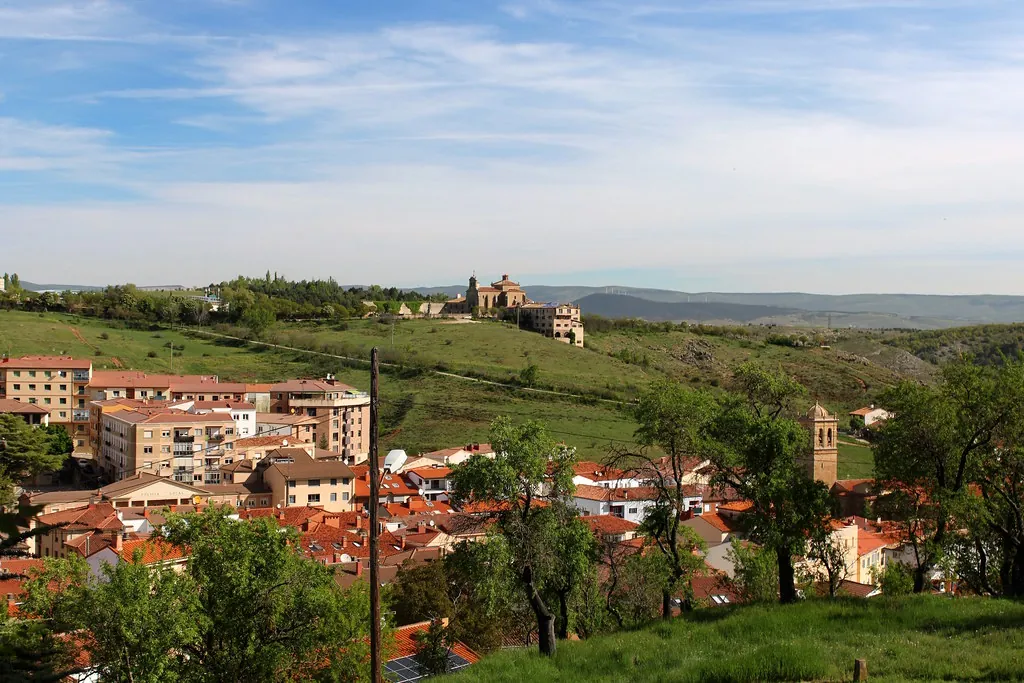
At 940 metres above sea level, the mobile signal drops before you reach Quintanilla del Agua. The A-1 motorway buzzes 12 kilometres away, yet here the loudest sound is the wind combing through wheat stubble. This is Castilla y León’s high plateau at its most honest—no castle keep to climb, no cathedral façade to photograph, just two rural hamlets that have shared pasture, bread ovens and burial ground since the thirteenth century.
Stone, Straw and Silence
The village name is a mouthful, so locals simply say “Quintanilla.” The suffix “y Tordueles” was tacked on in 1840 when the smaller hamlet, three kilometres down a farm track, was formally married to its bigger neighbour. Today the pair add up to barely five hundred souls, a figure that doubles when summer families drive up from Burgos on Friday night.
Architecture is modest by design. Granite doorframes have been widened over the centuries to admit tractors rather than donkeys. Adobe walls—once straw-coloured—are now whitewashed every spring before the fiestas, giving the streets a faint smell of lime that lingers for days. Rooflines sag like old bookshelves, but the terracotta tiles are original; when one slips after a hailstorm, the carpenter simply lifts a replacement from the disused hayloft next door.
There is no ticket office, no audioguide. Instead, visitors are handed the key to the sixteenth-century church by whoever is nearest the square. Inside, the single nave smells of candle wax and grain dust; the fresco of Saint Roch, patron of plague victims, is flaking away above the confessional. Drop a euro in the box and the sacristan’s wife will appear with a folding chair so you can study the baroque altarpiece without craning your neck.
Walking Lines Older than Maps
The Meseta’s reputation for flatness is only half-true. North of the village the land tilts gently towards the Arlanza valley, creating a 150-metre drop over five kilometres—barely perceptible in a car, enough to loosen calf muscles on foot. Harvest tracks, edged with poppies in May, form a loose circuit between stone threshing circles now used as picnic spots. No way-marking posts, just the occasional finger-painted arrow on a barn wall.
Spring brings the best hiking weather: 16 °C at midday, zero at dawn, the air so clear you can pick out the wind turbines on the distant Montes Obarenes. October is equally comfortable, but remember to carry water; the only fountain between the two villages dried up in the 2017 drought and has never fully recovered. Winter walkers should expect snow flurries from December onwards—passable with boots, though the council only bothers to grit the road every other day.
Birdlife compensates for the lack of drama. Calandra larks rise vertically from barley stubble, and in February great bustards shuffle behind stone walls, absurdly Victorian in their grey waistcoats. Bring binoculars, but leave the drone at home; farmers assume anything buzzing above their wheat is assessing crop damage and will wave you away with the same courtesy extended to stray dogs.
Bread at Dawn, Lamb at Midnight
Food service is limited to weekends outside July and August. The single bar, La Tahona, opens when the owner finishes milking—usually 07:30—and closes once the tortilla is gone. A coffee and churros costs €2.40, but carry cash; the card machine is considered “muy moderno” and therefore suspect. For lunch you drive ten minutes south to Lerma, where Mesón del Cid serves roast suckling lamb (€24 half ration, enough for two) under a vaulted ceiling that once staged royal weddings.
Back in Quintanilla, supper arrangements are informal. Phone Marisol on 619 47 88 09 before 18:00 and she will leave a tray of morcilla and peppers on your pension doorstep at 21:00. Payment is via an honesty jar; if the jar is absent, slip notes under the mat. Vegetarians should shop in Burgos beforehand—local menus treat “verduras” as a garnish rather than a principle.
The village’s own fiesta falls on the last weekend of August. Events start with a mass sung entirely in falsetto by farm boys whose voices have not yet broken, followed by a paella cooked in a satellite dish-sized pan borrowed from the fire brigade. At midnight the square becomes an open-air ballroom: pensioners waltz to a three-piece band while teenagers stream reggaetón from a Bluetooth speaker balanced on a hay bale. Visitors are welcome to join the dance, but bring your own beer; the makeshift bar runs dry by 01:00 and the next delivery lorry is not due until Monday.
Getting There, Staying Over
No UK airport flies direct to Burgos. The least painful route is Stansted to Madrid, then a two-hour hire-car dash up the A-1. Trains reach Burgos in 2 h 30 min from Madrid Chamartín; from the station it is 35 minutes by taxi (€45) or a meandering regional bus that deposits you at the junction of the CL-117 at 14:30—handy if you enjoy dragging a suitcase across two kilometres of gravel.
Accommodation inside the municipality amounts to three rooms above the bakery. Each has a ceiling fan, a kettle and a view of the grain co-op. Price is €45 a night, breakfast included: coffee, orange juice and a still-warm baguette slid through a hatch at 08:00 sharp. Hot water is reliable unless the baker decides to power-wash his tractor before dawn. For more comfort, the parador in Lerma offers four-star lodgings in a ducal palace, but you will forfeit the dawn chorus of swallows nesting under Quintanilla’s eaves.
Leave the car unlocked—no one does otherwise—but avoid driving through the cereal fields after rain. The clay soil turns to grease and the farmer who pulls you out will expect payment in whisky, not euros.
When the Wind Turns
Quintanilla del Agua y Tordueles will never feature on a “Top Ten” list. There are no gift shops, no sunset viewpoints with Instagram frames. What you get instead is the Meseta stripped of pretence: soil that has fed Spain since the Romans, neighbours who borrow each other’s ladders, nights so dark you can read by starlight. Come for 24 hours and you might wonder why you bothered. Stay for three, and the silence starts to feel like a second skin—until the church bell clangs seven times and you remember the world still spins beyond the wheat.