Full Article
about Rabe De Las Calzadas
Ocultar artículo Leer artículo completo
The church bell tolls at 19:30 and half the village appears in the single bar, still in work boots. Within ten minutes the owner has poured four cañas, wrapped two takeaway bocadillos for cyclists and talked a German pilgrim out of ordering the chuletón for one. This is Rabé de las Calzadas: population 104 on paper, 250 in summer when the Camino bulges, and exactly one public room with a telly.
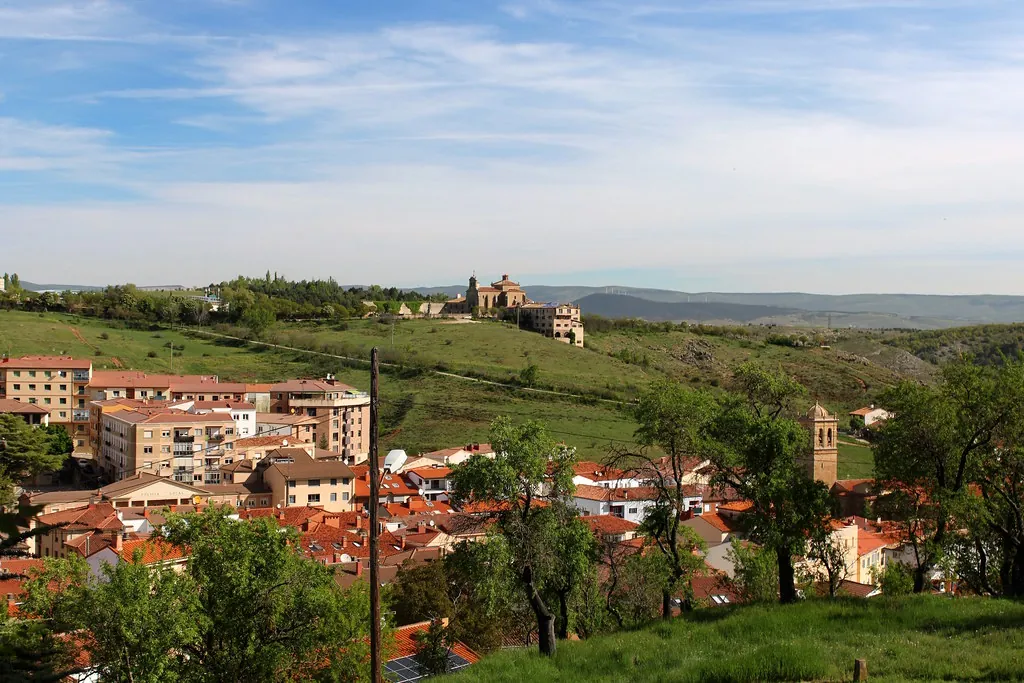
Eleven kilometres south-west of Burgos, the settlement sits on a Roman-engineered ridge that once carried legions, later sheep, now day-glow rucksacks. The surrounding landscape is table-top flat; the only verticals are the square tower of San Martín, a line of distant wind turbines and the occasional stork. Sunsets here last for ever—the plateau offers nothing to get in the way.
Walking Through, Not To
Most visitors arrive on foot whether they meant to or not. The Camino Francés enters Rabé along Calle Real, a straight track so unchanged that the parish council still rings the 13th-century warning bell if a storm catches pilgrims on the open plain. The village provides what a guidebook would call “basic services” and what locals call “just enough”: potable fountain, chemist open three mornings a week, and a cash-only bar that doubles as grocery, gossip shop and lost-property office for walking poles left outside the albergue.
If you’re not hiking, you’ll need a car. There is no bus on Sundays, and weekday services correspond more with school runs than tourist timetables. A hire vehicle from Burgos airport (20 min on the BU-30) turns Rabé into a quiet retreat rather than a logistical headache. Park by the grain silo; everything else is two minutes on foot.
Stone, Adobe and Subterranean Wine
Architecture is vernacular, not venerable. Adobe walls the colour of dry biscuits sit on stone skirts to keep moisture out; wooden gates hang from iron hinges forged in nearby workshops long since turned into garages. Peek through the gaps and you’ll see paved patios, climbing geraniums and the occasional tractor tyre repurposed as a rose bed.
The Roman road itself is invisible beneath modern tarmac, but pick up the path behind the church and you’ll reach a string of bodegas—hand-dug cellars with domed ceilings where families once pressed their own wine. Most are padlocked, yet on feast days owners open them for tastings that are more village party than organised enotourism. Bring your own glass; plastic ones disappear quickly.
San Martín itself is open 08:00–11:00 and 18:00–20:00 unless the key-holder is harvesting. The retablo, gilded in 1597, depicts the patron saint sharing his cloak with a beggar; the same act of charity is re-enacted nightly when bar staff hand out free tapas to anyone still standing after the second drink. Entrance is free, but the box for roof repairs is hard to miss.
What to Do When the Trail Ends Here
Walkers usually collapse onto the albergue’s plastic lawn chairs and swap blister stories, yet the surrounding grid of farm tracks offers easy extension loops if you have energy left. A 5-km circuit south reaches an abandoned railway halt where black redstarts nest in the ticket office; early risers spot hares boxing among the barley rows. Cyclists can follow the gravel senda to Hontanas (18 km) and still be back for lunch, provided the wind is in your favour—when it’s not, progress feels like wading through invisible porridge.
If weather turns foul, retreat to the bar and order sopa de ajo. The garlic broth arrives scalding, capped with a poached egg and scraps of yesterday’s baguette; it costs €3.50 and cures everything from hypothermia to self-pity. Vegetarians should specify “sin jamón” or the chef will sprinkle diced Serrata on principle.
Eating, Sleeping, Cashing Out
Accommodation splits between the municipal albergue (€8, dorm of 16, kitchen open 07:00–22:00) and Hostal La Fuente upstairs from the bar (€35 double, shared bath, towels €1 extra). Both accept WhatsApp reservations—handy during Easter and the September pilgrimage surge—yet neither takes cards. The nearest ATM is back in Tardajos, four kilometres east; if you arrive after 20:00 the machine may be empty, so withdraw at Burgos bus station while you can.
The bar serves breakfast from 06:30: tostada, olive oil and grated tomato for €1.80; coffee is proper stove-top, not instant. Evening menú del peregrino runs to three courses plus house wine for €12. Expect morcilla de Burgos (blood sausage scented with cinnamon and rice), lechazo asado (half a roast suckling lamb shoulder) and flan so wobbly it shivers when someone shuts the door. Portions are built for ploughmen; it’s acceptable to ask for media ración and still leave defeated.
Festivals and Quiet Weeks
San Martín, 11 November, marks the start of the pig-killing season. A weekend mass is followed by a communal meal in the sports hall where tickets must be bought by Thursday; outsiders are welcome if a local sponsors you—easily arranged by buying the sponsor’s first drink. Fireworks are low-key; the real thrill is watching elders debate the exact moment to stir the blood for the morcilla while children sneak marshmallows under the table.
Summer fiestas shift to the nearest weekend after 15 August. A sound system appears in the square, volume set to “damage” until 04:00; if you need sleep, book the hostal’s rear rooms or join the party and blame the pilgrims’ code of solidarity. Tuesday is the day of rest—most businesses shut, the fountain becomes the social centre, and the wheat keeps growing whether anyone watches or not.
The Plateau Truth
Rabé will never top a “Most Beautiful Villages” list; that is precisely its appeal. There are no souvenir shops, no interpretive centre, no olive-grove spa. What you get is Castile stripped to the essentials: horizon, bread, wine, church, bar. Come for one night and you might stay two; come for a week and you’ll learn the difference between solitude and loneliness. Bring cash, sun-cream and an appetite. Leave the phrasebook app—gestures suffice, and the locals already know why you’re here.