Full Article
about Rucandio
Ocultar artículo Leer artículo completo
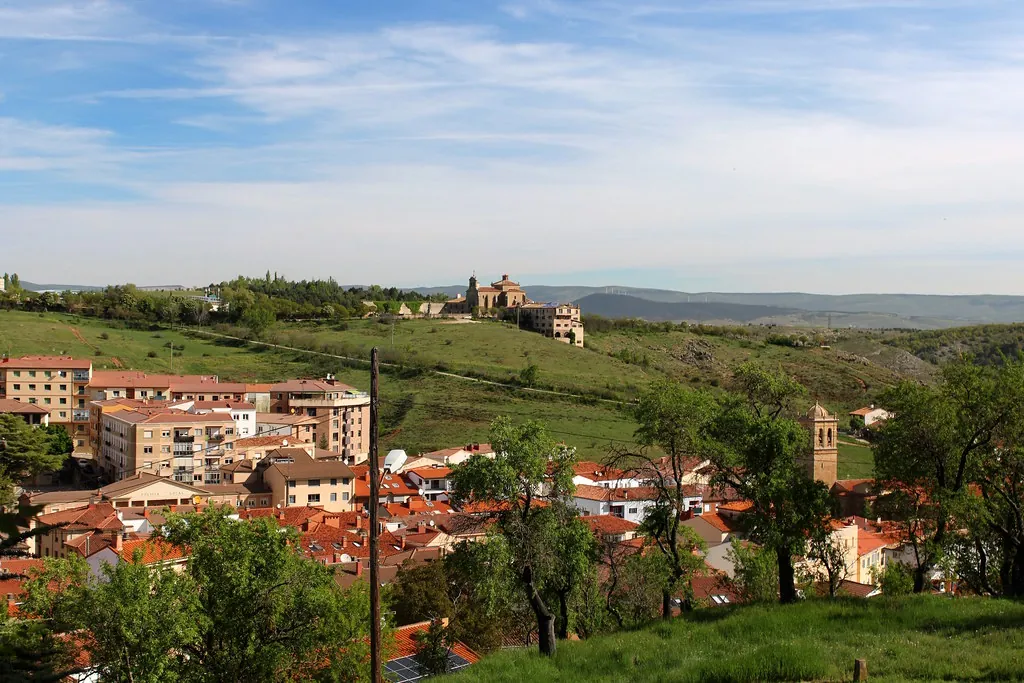
The church bell strikes noon, yet nobody hurries. Two elderly men pause their conversation outside the stone bakery, letting the chime finish before continuing their discussion about rainfall. This is Rucandio, a village of 5,000 souls scattered across four streets in northern Burgos, where the Spanish obsession with rushing somewhere—anywhere—simply never took root.
Castilla y León's cereal belt stretches endlessly here, a landscape that would bore postcard photographers but rewards those who understand space. The horizon sits low and far away, interrupted only by gentle hills that roll like sleeping giants. Wheat fields dominate, their colours shifting from emerald in April to burnished gold by July, then rust-coloured stubble after harvest. It's agricultural theatre on an epic scale, performed for an audience of mostly birds.
Stone Walls and Adobe Dreams
Rucandio's architecture tells its own unvarnished story. Local stone forms the bones of most buildings, with adobe brick filling gaps where money ran short decades ago. The parish church squats at the village centre—not grand enough for guidebooks, but honest in its proportions. Inside, if you find it open (mornings only, typically), simple wooden pews face an altar devoid of baroque excess. Weathered beams overhead show axe marks from when they were hewn, probably in the 1700s.
Walk the streets slowly. Notice how wooden balconies sag just enough to suggest age without imminent collapse. Spot the old dovecotes, those square towers that once provided both meat and fertiliser for village gardens. Many now stand empty, their entrances boarded against nesting pigeons that nobody wants anymore. Traditional wine cellars dot the edges of properties, their heavy wooden doors leading to underground chambers where families once pressed grapes from small vineyards. The vineyards vanished long ago—Burgos' climate proved too harsh for reliable harvests—but the cellars remain, repurposed for storage or simply left to memory.
The village's modest size means you can walk every street in twenty minutes. Don't. Take an hour. Peer through gates into courtyards where chickens still scratch at packed earth. Note the elaborate metalwork on nineteenth-century doors, installed when someone had money to spare for decoration. Observe how satellite dishes bolted onto stone facades create accidental sculptures of modern rural life.
Walking Into Nothing Much
The real attraction here lies beyond the village limits. Country lanes radiate outward, unpaved tracks used by tractors and the occasional dog walker. These aren't hiking trails in any conventional sense—no signposts, no difficulty ratings, no dramatic viewpoints. Instead, they offer something increasingly rare: permission to walk without purpose beyond movement itself.
Early morning provides the best light, when dew transforms spider webs into jewelled nets across wheat stalks. Skylarks rise from fields singing, their vertical flights tracking invisible thermals. Red kites circle overhead, scanning for the small mammals that thrive among crops. The walking is easy—this is plateau country, remember, not mountain terrain. Expect gentle undulations rather than steep climbs. Distances deceive; that farmhouse two kilometres away might take forty minutes to reach via the winding track.
Summer walking requires planning. Temperatures regularly exceed 35°C by midday, and shade exists only where scattered poplar plantations mark former watercourses. Start early or wait until evening, when the sinking sun stretches shadows across fields and the air cools enough to make movement pleasant again. Winter brings its own challenges—bitter winds sweep unchecked across the plateau, and muddy tracks can turn treacherous after rain.
Eating and Drinking (What Little There Is)
Rucandio's culinary scene won't trouble Michelin inspectors, but it offers insights into Castilian country cooking. The single bar opens early for coffee and serves basic raciones throughout the day. Order the morcilla—Burgos blood sausage, distinctive for containing rice rather than onions. Lamb appears frequently on menus, reflecting the region's sheep-farming heritage. During spring, watch for men collecting wild asparagus from roadside verges; if you're lucky, the bar might serve revuelto—scrambled eggs with the tender green shoots.
Don't expect restaurants. Most visitors eat at their accommodation, typically rural houses rented by the week. Local shops stock basics: bread baked in nearby villages, cheese from industrial producers, wine from Rioja (the local stuff disappeared with the vineyards). Serious food shopping requires a trip to Frias, twenty minutes drive north, or Miranda de Ebro, forty minutes south.
The village bakery deserves mention. It operates from a ground-floor room in someone's house, opening sporadically through the week. When the metal shutters roll up, locals appear clutching cloth bags for bread still warm from ovens fired with vine cuttings. Buy a loaf—it's cheaper than supermarket bread and tastes of proper fermentation rather than additives.
When Silence Returns
August transforms Rucandio temporarily. Former residents return from Bilbao, Barcelona, Madrid, swelling the population and filling houses shuttered since Christmas. The fiesta patronale brings processions, communal meals, and teenagers testing independence in the village square. For a week, the place feels alive, purposeful. Then September arrives, and silence reclaims the streets.
Winter here is not romantic. Days shorten dramatically—by December, darkness falls before six. Heating costs bite hard on pensions, and younger residents decamp to nearby towns with better insulation. The surrounding landscape turns monochrome: grey skies, brown fields, black tree silhouettes. Yet this is when Rucandio reveals its stubborn heart. Those who remain—mostly elderly—maintain rhythms established decades ago. They meet for coffee at the same time each morning, walk the same routes, exchange the same greetings. Their persistence lends the village dignity that no heritage scheme could manufacture.
Spring arrives late at 800 metres altitude. April might still bring frost, but by May the plateau erupts with colour. Crimson poppies punctuate wheat fields. White marguerites line roadside ditches. The transformation happens quickly—one week brown dominates, the next green explodes everywhere. This is Rucandio at its photographic best, though remember: photographs lie. They can't capture the smell of warm earth after rain, or the way lark song carries across empty fields, or how the horizon seems to expand as winter's grip loosens.
Rucandio offers no revelations, no Instagram moments, no bucket-list ticks. It provides something subtler: a place where time's passage remains visible, where human scale hasn't been sacrificed to convenience, where walking to the next village still constitutes a legitimate afternoon's activity. Come for a day and you'll be bored. Stay for a week and you might understand why some people choose to live where nothing much happens, very slowly, under vast Castilian skies.