Full Article
about Saldana De Burgos
Ocultar artículo Leer artículo completo
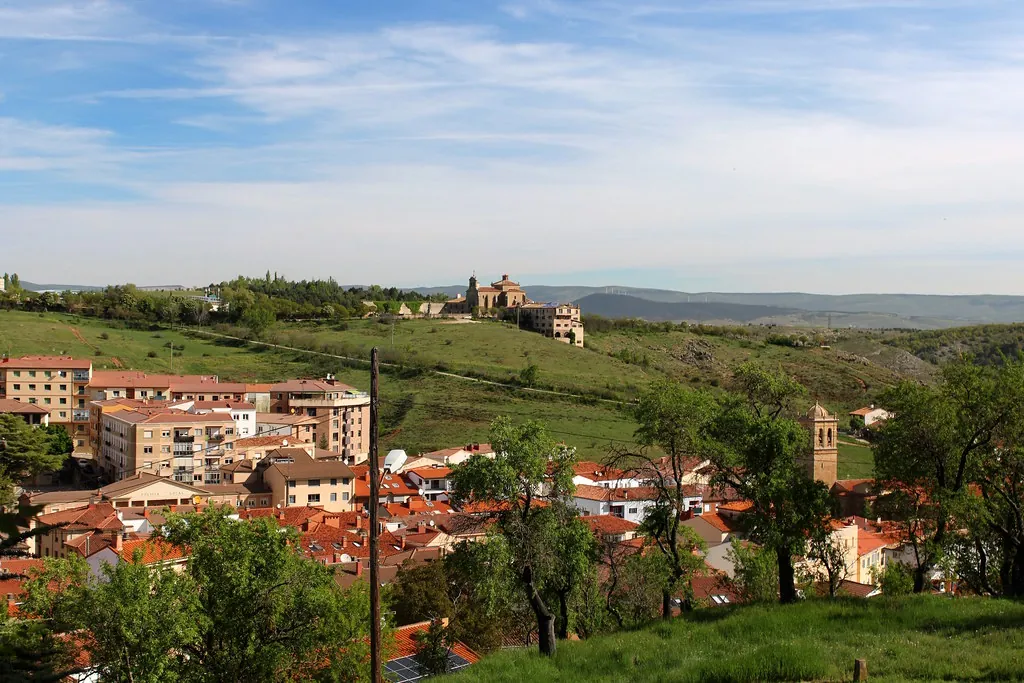
The church bell strikes seven, and the only other sound is a tractor starting up somewhere beyond the stone houses. In Saldaña de Burgos, this counts as the morning rush hour. The village sits 35 kilometres northeast of Burgos city, where the Meseta's endless wheat fields begin their gentle roll towards the Cantabrian mountains. At 945 metres above sea level, the air carries that particular Castilian clarity that makes everything appear sharper, more defined.
The anatomy of a working village
Five hundred souls call this place home, though numbers swell during August when former residents return for the fiestas. The parish church dominates the skyline, its tower visible for miles across the surrounding plains. Built in stages between the 16th and 18th centuries, it shows the architectural equivalent of geological layers – Romanesque foundations supporting later Baroque additions. Inside, the altarpiece gilding has dulled to a bronze patina, and the wooden pews bear the polish of centuries.
The houses cluster around this spiritual centre like sheep around a shepherd. Many retain their original wooden doors, some so low that modern visitors instinctively duck. Stone walls three feet thick keep interiors cool during summer's fierce heat and retain warmth when winter temperatures plummet below freezing. Adobe sections show the colour variations that come from using local clay – ochre, sandy yellow, the occasional pinkish hue where iron oxide content runs high.
Walk the streets at midday and you'll notice something missing: commerce. There's no corner shop, no bar serving coffee, no restaurant dishing up menú del día. The last general store closed five years ago when its proprietor retired at 82. For provisions, residents drive to nearby Saldaña (the larger town that shares its name but sits in neighbouring Palencia province) or stock up during weekly trips to Burgos.
Life measured in seasons, not seconds
The agricultural calendar dictates the village rhythm. April brings green shoots across the plains, transforming the landscape into an emerald ocean that ripples in the wind. By July, combine harvesters work from dawn until the light fails, creating dust clouds visible from the church tower. The wheat turns a burnished gold that photographers prize, though they'll need patience and good walking shoes – there are no organised tours or viewing platforms here.
Local farmer José María García (everyone knows everyone) tends 200 hectares of cereal crops. His family has worked these fields for four generations, adapting to mechanisation while maintaining practices his great-grandfather would recognise. "We plant after the first autumn rains," he explains, leaning against a gate that needs fresh paint. "Harvest when the moon is waning. My grandfather swore it made better bread." Whether lunar phases affect gluten development remains unproven, but the routine provides continuity in a world of change.
The surrounding landscape offers walking opportunities for those content with simple pleasures. Ancient farm tracks lead between fields, their surfaces compacted by decades of tractor tyres. Early morning walks reward the observant with sightings of hoopoes, their distinctive calls echoing across the plain. Montagu's harriers quarter the fields, hunting small mammals displaced by agricultural activity. Bring binoculars and a field guide – there are no hides or information boards, just the birds and whatever knowledge you carry.
Eating well, simply
Food here reflects the landscape: substantial, practical, designed to sustain hard physical work. The village itself offers no dining options, but drive ten minutes to Saldaña town and you'll find Asador la Quinta del Pajar. Their lechazo asado (roast suckling lamb) comes from animals raised within 30 kilometres, fed on their mothers' milk until slaughter. The meat arrives at table barely seasoned – salt, perhaps some garlic – because quality needs no embellishment. Expect to pay €22-25 for a portion that feeds two generously.
Back in the village, Doña Mercedes still bakes bread in her wood-fired oven every Friday. Knock on her door before 9 am and she might sell you a loaf, crust crackling, interior still warm. The sourdough starter predates Franco's death, maintained through decades of political change and social upheaval. Spread with local honey (buy from the Saturday market in Saldaña town) it makes breakfast that puts supermarket offerings to shame.
When to come, when to stay away
Spring visits reward with mild temperatures and landscapes at their most vibrant. May daytime temperatures hover around 18°C, perfect for walking without the summer's intensity. September offers similar conditions plus the added drama of harvest activity. Winter brings its own stark beauty – frost patterns on stone walls, wood smoke curling from chimneys – but temperatures regularly drop below zero and accommodation options within the village itself are non-existent.
Summer presents contradictions. August fiestas animate the village with music, dancing and communal meals that spill into the small hours. Visitors are welcome but not catered for – this remains emphatically local celebration. Accommodation means staying in nearby Saldaña town (Hotel Rural El Marqués offers doubles from €65) or making the 40-minute drive from Burgos city. Day-trippers should note the complete absence of public transport – car hire essential, preferably with air conditioning for July's 30°C+ heat.
The reality check
This isn't a destination for tick-box tourism. No souvenir shops sell fridge magnets. No tour guides wait to explain historical significance. The church opens when someone's available to unlock it, usually Sunday morning mass and Thursday evenings. Information boards don't exist; interpretation happens through conversation with whoever you meet.
What Saldaña de Burgos offers instead is authenticity without artifice. A place where British visitors can experience rural Spain as it actually functions, not as tourism departments imagine it should. Where the elderly gentleman sweeping his doorstep will nod acknowledgement but won't press brochures into your hand. Where lunch happens at 3 pm because that's when fieldwork pauses, and where evening strolls begin at 7 pm to catch the cooling breeze.
The village won't change your life or provide Instagram moments that garner hundreds of likes. It will, however, demonstrate that places still exist where community matters more than commerce, where tradition persists through practice rather than performance, and where the greatest luxury might be watching shadows lengthen across wheat fields while church bells mark time that moves slowly enough to notice.