Full Article
about San Martin De Rubiales
Ocultar artículo Leer artículo completo
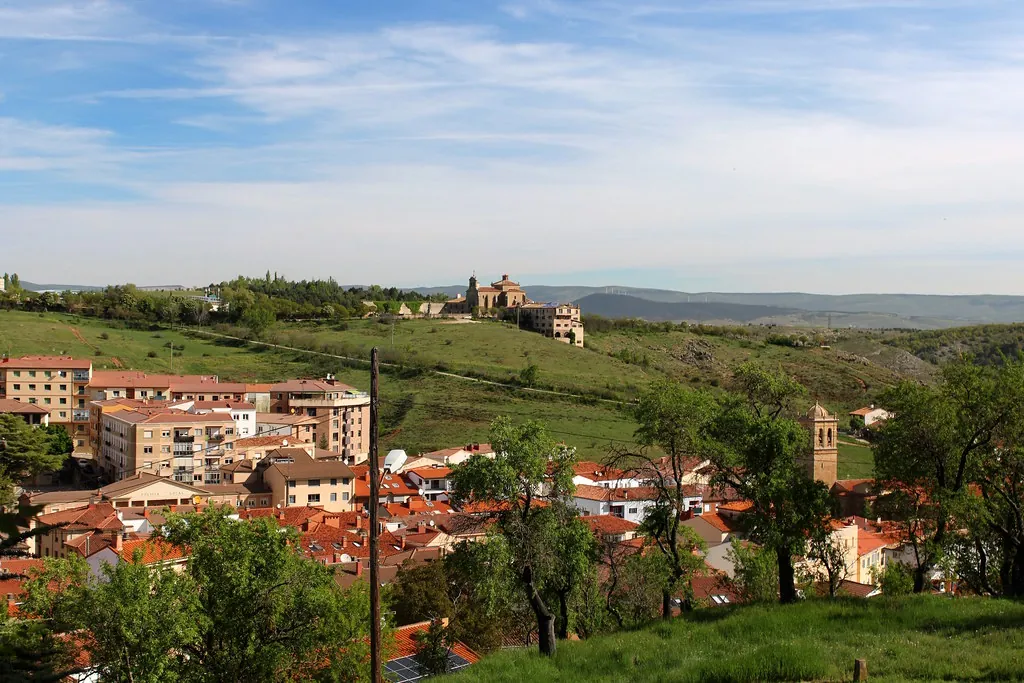
The church bell strikes noon, and the only sound between chimes is the hum of a tractor somewhere beyond the stone houses. In San Martín de Rubiales, lunch starts when the bells say so, not when TripAdvisor recommends. This village of 500 souls sits in Burgos' wine country, surrounded by vineyards that stretch so far locals joke they need a passport to reach the next town.
Stone Walls and Wine Stains
The village architecture tells its own story, written in layers of practicality rather than grandeur. Adobe walls butt against stone façades, patched over decades with whatever material came to hand. Wooden gates hang slightly askew on medieval hinges. Some houses sport fresh paint, their neighbours remain sun-bleached to the colour of wheat. It's not neglect; it's evolution without pretence.
The fifteenth-century church dominates the irregular plaza, its Romanesque bones dressed in later additions. Step inside during morning hours and the temperature drops ten degrees—natural air conditioning that locals have relied on for centuries. The interior bears scars of time: faded frescoes, a cracked baptismal font, pews worn smooth by generations of vineyard workers seeking Sunday salvation before Monday's harvest.
Walking the narrow lanes reveals details guidebooks miss. Note the height of doorways—built when people were shorter. Observe how houses grow upwards, not outwards, expanding into attic space rather than encroaching on neighbours. The metalwork varies wildly: some balconies feature intricate nineteenth-century ironwork, others display functional 1970s welding. Each generation left its mark without erasing what came before.
Between the Vines
The real monument here isn't built of stone. The vineyards surrounding San Martín de Rubiales produce grapes for some of Spain's most prestigious wines, though you'd never know it from the village itself. No tasting rooms, no gift shops selling corkscrews shaped like bulls. Just fields of Tempranillo grapes marching across gentle hills, their rows perfectly aligned to catch the harsh Castilian sun.
This is Ribera del Duero wine country, where summer temperatures regularly exceed 35°C and winter drops below freezing. The extreme climate—more continental than Mediterranean—creates the concentration that makes these wines command premium prices worldwide. Yet the vineyard workers still use methods their grandfathers would recognise, hand-pruning each vine during February frosts.
Visit during September harvest and the village transforms. Tractors loaded with purple grapes rumble through streets at dawn. The air smells of fermentation. Local women gather at the bakery at 5am, buying extra bread for the harvest crews. Even the bar opens early, serving strong coffee to workers who've been in the fields since before first light. By October, it's over. The vines turn copper, then grey. Winter arrives with medieval severity.
The Reality of Rural Life
Let's be honest—San Martín de Rubiales challenges visitors seeking traditional tourist comforts. The single bar closes when the owner feels like it, sometimes mid-afternoon if custom's slow. The bakery sells out by 10am; arrive late and breakfast means yesterday's bread. Mobile phone signal varies according to weather and seems to disappear entirely during thunderstorms.
The nearest supermarket stands twenty kilometres away in Aranda de Duero. The village shop stocks basics: tinned tuna, overpriced pasta, local cheese when available. Planning ahead isn't optional; it's survival. Yet this inconvenience forces engagement. Visitors buy wine from neighbours who produce small quantities in their garages. They learn which houses sell eggs, where to find honey. Commerce becomes personal.
Accommodation options remain limited. The Country House El Baile offers self-catering in converted farm buildings, rated ten-out-of-ten by its two TripAdvisor reviewers. Otherwise, rental apartments scattered through the village provide basic facilities at reasonable rates. Don't expect hotel service. Do expect total immersion in Spanish village rhythms.
Eating Without Pretension
The village restaurant situation requires flexibility. Technically, none exists. Practically, three houses serve food to those who know to ask. María opens her dining room weekends, serving cocido stew from a recipe older than the church. Reservations mean knocking on her door before Thursday. Prices hover around €12 for three courses, wine included. The wine comes from her cousin's vineyard; refusing it causes offence.
The seasonal menu follows agricultural logic. Spring brings wild asparagus and baby lamb. Summer means tomatoes tasting of actual sunshine, served with rough bread and questionable cheese. Autumn features game—partridge, rabbit, occasionally wild boar shot by local hunters who gather at the bar to argue about regulations. Winter demands substantial stews, beans simmered with chorizo, meat that falls from bones after hours of patient cooking.
Learning to eat here requires abandoning British meal times. Lunch happens at 3pm, minimum. Dinner starts after 9pm, often later. Turning up early means watching television with the family while they decide whether you're worth feeding. Bring Spanish phrasebooks; English isn't spoken. Bring patience; rushing causes confusion. Bring appetite; portions assume physical labour.
Getting There, Getting Away
San Martín de Rubiales sits ninety kilometres south of Burgos, roughly halfway between Madrid and Bilbao. The journey takes ninety minutes from Burgos airport, assuming you rent a car. Public transport proves more theoretical than practical—one bus daily except Sundays, none on Mondays, timetable varying according to harvest schedules and driver's personal commitments.
Driving remains essential for exploration. The roads wind through vineyard country, passing villages similar yet subtly different. Each cluster of stone houses around a church represents centuries of survival in harsh climate. Stop at Quintanilla de Arriba for coffee, Peñaranda de Duero for castle ruins, Haza for wine purchases directly from cooperative cellars. Distances seem short on maps; narrow roads and tractor traffic extend journey times significantly.
The best approach visits during shoulder seasons. April brings wildflowers between vine rows, comfortable temperatures, few tourists. October offers harvest activity, autumn colours, mild weather before winter's bite. Summer attracts Spanish families to village houses, creating noise and inflated prices. Winter empties streets entirely; some accommodation closes November through March.
Leave before the church bells strike twelve times at midnight. After the final chime, San Martín de Rubiales belongs again to its residents and the ghosts of those who tended these vines across centuries. Morning will bring tractors and tourists, but night belongs to the village itself—unchanged, unchanging, waiting patiently for tomorrow's harvest.