Full Article
about Santa Cecilia
Ocultar artículo Leer artículo completo
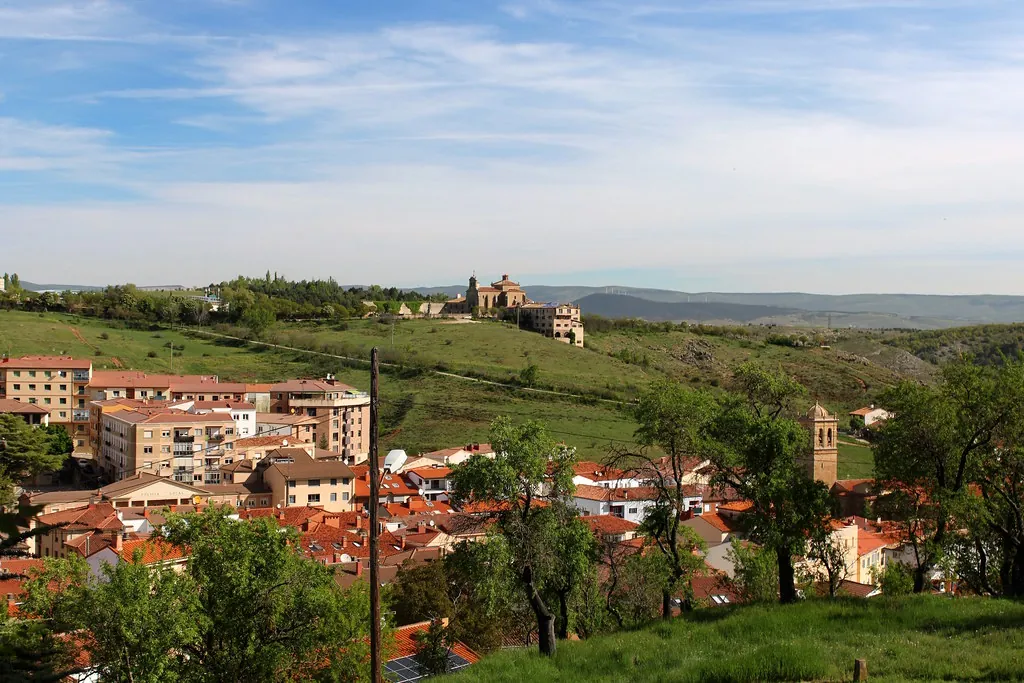
The church bell strikes eleven and nobody checks their watch. In Santa Cecilia's main square, three elderly men pause their card game as a stork lands on the bell tower with a clatter that echoes across stone roofs. This is the day's entertainment—no tour buses, no selfie sticks, just the sound of wings against an endless Castilian sky.
Santa Cecilia sits where Burgos province's wheat fields begin their gentle roll towards the mountains, 45 minutes north of the city that shares its name. The village represents something increasingly rare in Spain: a place where tourism hasn't rewritten the script. Five thousand souls call it home, though on weekday afternoons you'd swear it was fewer. The silence isn't absence—it's presence of a different sort.
The Architecture of Everyday Life
Stone and adobe walls rise from narrow lanes that twist without apparent logic, following contours mapped centuries before surveyors existed. The parish church dominates this modest skyline, its tower visible from every approach, though calling it a "landmark" feels grandiose. Like many Castilian churches, it's been rebuilt, patched and extended so often that architectural purists might wince. The result is more honest than pristine: a building that wears its history like darning on a favourite jumper.
House fronts bear stone shields marking old family lineages, though the paint has faded and lichen softened sharp edges. These aren't museum pieces but working buildings—someone's grandmother hangs washing from a wrought-iron balcony, a teenager's motorbike leans against a wall that once sheltered conquistadors. The juxtaposition happens without comment because here, the past isn't preserved; it simply never left.
Walking these lanes requires a particular rhythm. Step aside for the neighbour carrying shopping, pause while an ancient door creaks open, acknowledge the greeting that follows. Rushing marks you immediately as foreign—Santa Cecilia operates on agricultural time, where seasons matter more than schedules.
What Passes for Action Here
Morning means coffee in the single bar, where locals debate rainfall statistics with the intensity others reserve for football. The proprietor, whose family has owned the place since 1963, serves cortados in glasses that have served three generations. Prices remain stubbornly reasonable—€1.20 for coffee, €2 for a basic breakfast—because charging tourist rates would mean admitting tourists exist.
The surrounding landscape offers proper walking without the drama of better-known regions. Farm tracks radiate outward through wheat and barley fields, connecting Santa Cecilia to villages most Spaniards couldn't place on a map. These paths, used by tractors and dog-walkers alike, provide level cycling through scenery that changes subtly with the light. Morning turns stubble fields golden; evening paints everything amber. Bring water—there are no cafés between villages, and shade arrives mainly courtesy of isolated holm oaks.
Birdwatchers should pack binoculars. The open country supports raptors in serious numbers—hen harriers quarter the fields, black kites ride thermals above, and you'll almost certainly spot both red and black-shouldered kites. Spring brings migrating storks; autumn sees them gather in groups that wheel overhead like aerial calligraphy. The village's white storks nest atop the church tower, their clacking bill percussion providing summer soundtrack.
Eating Without Expectation
Santa Cecilia won't satisfy food pilgrims seeking the next culinary revelation. The bar serves basic raciones—maybe tortilla, perhaps chorizo cooked in cider—alongside cold beer and the local preference for wine that arrives in unmarked bottles. This is honest drinking wine, made by someone's cousin, sold at prices that make London pub wine seem like extortion.
For proper meals, you'll need to travel. Burgos city, 40 kilometres south, offers everything from Michelin-starred temples to tapas bars where morcilla appears in forms the inventors never imagined. But ask around Santa Cecilia and you might score an invitation—villagers remain genuinely hospitable, and mentioning interest in traditional cooking could lead to trying proper lechalo asado, roast suckling lamb cooked in a wood-fired oven by someone's aunt.
The weekly market happens Tuesday mornings in the Plaza Mayor, though "market" overstates things. Three stalls sell vegetables, another offers cheese and honey, and that's your lot. Come early—by eleven-thirty, traders are packing up and the square returns to card games and gossip.
When the Village Celebrates
Santa Cecilia's patronal feast technically falls on 22 November, but November in Castile means short days and bitter winds. Practicality prevails: proper celebrations shift to summer when expatriate villagers return and weather cooperates. Exact dates vary—check with the town hall because nobody updates websites here.
Summer fiestas mean brass bands that improve after midnight, processions where the statue of Saint Cecilia tours streets decked with paper flowers, and communal meals requiring advance booking. Tickets for the paella feeding five hundred people sell from the bar counter. Prices hover around €10—nobody's getting rich, they're covering costs and keeping traditions alive.
These celebrations reveal village dynamics. Teenagers who've moved to Burgos or Madrid return showing city fashions that look suddenly foreign. Elderly residents wear their best, suits that haven't seen daylight since last fiesta. Between formal events, card games resume, conversations pick up mid-sentence from the previous year. Outsiders are welcome but remain politely external—this is community business, not performance.
Getting Here, Staying Put
Santa Cecilia sits on the CL-634, a road that exists mainly for agricultural traffic. Buses connect to Burgos twice daily except Sundays, when service drops to once. The timetable favours villagers heading to city hospitals rather than tourists—the 7:30 AM departure gets you to Burgos by nine, returning at 2 PM unless you fancy waiting until seven-thirty. Hiring a car transforms the experience, though driving here requires accepting that tractors have right of way and schedules of their own.
Accommodation means staying in Burgos or one of the regional hotels catering to business travellers. Santa Cecilia offers no hotels, no guesthouses, no Airbnb. This isn't policy—there simply isn't demand. Day-tripping works, though staying for evening means witnessing the village's other personality: floodlit streets, television glow from windows, the hush that falls when even the card players call it a night.
Weather matters more than most visitors expect. Castilian winters bite—temperatures drop below freezing regularly, and that immaculate blue sky provides comfort rather than warmth. Spring brings wind that scours; summer can see forty-degree heat. Autumn probably offers the best compromise: mild days, harvest activity, storks gathering before migration.
Santa Cecilia demands adjustment of expectations. Come seeking monuments and you'll leave underwhelmed. Arrive prepared to observe ordinary Spanish rural life—card games, storks nesting, conversations about rainfall—and you'll witness something increasingly precious: a place where tourism hasn't become the local industry, where silence speaks louder than crowds, where community continues regardless of whether anyone's watching.