Full Article
about Sotillo De La Ribera
Ocultar artículo Leer artículo completo
The thermometer outside the bakery reads eight degrees at nine in the morning, yet the air drifting from the cellar door feels a steady fourteen. That small difference has shaped Sotillo de la Ribera for three centuries. Below the stone houses runs a warren of hand-hewn caves where wine once rested in clay tinajas and now ages in French oak. Above ground the village looks sleepy; underneath it is still at work.
A village that digs downwards
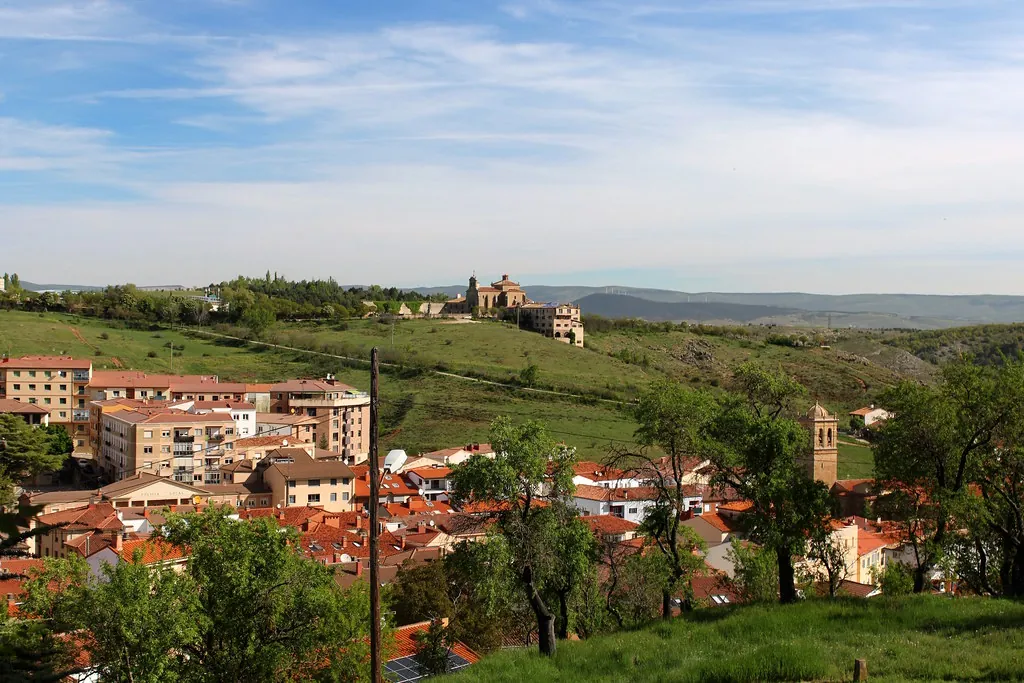
Most visitors speed along the N-122 between Valladolid and Aranda, seeing only a blur of vineyards and a church tower. Turn off at kilometre 137, drive 17 km south, and the plateau drops gently towards the Duero. Sotillo appears as a low sandstone ridge with terracotta roofs, population 512 on the last electoral roll. There is no dramatic gateway, just a narrower road and the smell of damp earth and vines.
The first thing to do is also the least obvious: ask at the tiny tourist office (open 10–14:00, closes Tuesday) for a cave visit. They will telephone whichever grower is free that day—usually Bodegas Pascual or the Arroyo family—and return with a time slot. Payment is cash only; bring small notes because change is scarce. Expect to descend a spiral stair no wider than a ship’s ladder into rooms carved in the 1700s. The guide is almost certainly the owner; his English stretches to “barrel” and “tannin” but the message is clear: each bottle is numbered, the underground humidity is perfect, and you are welcome to taste three of them. No gift shop, no coach park, just a rinsed glass and a nod when you’ve had enough.
What you eat when the vines take a break
Lunch starts at 14:00 sharp. Arrive earlier and the metal shutters stay down; arrive later and the lamb may be sold out. The single restaurant—simply called Mesón—has pine benches and a wood-fired clay oven that roasts lechazo for four hours. A quarter-kilo portion costs €18 and feeds two if you order vegetables. The meat is milder than British spring lamb, more like milk-fed suckling pig in texture, and arrives with only a wedge of lemon and a basket of local bread. Vegetarians can assemble a meal from the starters: roasted piquillo peppers, sheep’s-milk cheese, and a tomato salad that tastes of actual tomatoes. House red is poured from a chipped jug; ask for the crianza if you want something with more structure.
For lighter bites there are four bars ranged round the Plaza Mayor. They all serve morcilla de Burgos, a black pudding bulked with rice rather than oatmeal, fried into coin-sized tapas. Pair it with a glass of young tempranillo; the barman will note your consumption in chalk on the counter and you pay when you leave. Cards are accepted nowhere—there is no cash machine either, so bring euros from Aranda.
Walking off the wine
The landscape looks flat until you step into it. A signed path, Senda de los Cipreses, leaves from the churchyard and loops 5 km through vineyards edged with wild rosemary. October turns the leaves bronze and the bunches are harvested by hand; in March the same vines are grey sculptures against red soil. Either season is comfortable for walking: summer midday hits 36°C and the only shade is a line of poplars along the river.
If you need more mileage, follow the farm track south-east until the Duero appears below, broad and slow. A gravel service road runs beside the water for 9 km to the hamlet of Peñafiels—flat, good for bikes, and you can return by the same route for a total of 18 km. Iberian magpies flash along the bank and, in winter, the occasional kingfisher. Take water; there is no kiosk.
When the village parties
San Juan Bautista, 24 June, is the only fiesta that clogs the single street. Locals who left for Valladolid or Madrid return with children and deck chairs; the population triples for forty-eight hours. A brass band plays on the balcony of the town hall, free paella is served at midnight, and teenagers sprint about with inflatable hammers. If you crave quiet, book elsewhere that weekend. September brings the grape harvest: no formal programme, but tractors trail trailers of grapes to the cooperative at dawn and the smell of crushed fruit drifts through the air. Photographers like the golden light and purple hands; walkers like the cooler mornings.
Where to sleep (and why two nights is enough)
There are twelve rooms in the village, all in private houses refurbished with EU grants. Expect stone walls, beamed ceilings, wi-fi that flickers, and a breakfast of sponge cake strong enough to soak up last night’s tempranillo. Double rooms run €65–€80 including breakfast; the nicest is La Casa de la Tía Mercedes, with a small balcony overlooking the roofs. Check-out is 11:00 and hosts will not store luggage—plan to be back at your car when you leave.
Sotillo works best as an overnight brake on a longer road trip. Spend the afternoon underground, walk at dusk, eat lamb, drink well, sleep deeply, and depart after coffee next morning. Stay longer and you’ll start counting the cars: an average of nine per hour pass the main crossroads. That, for many British drivers, is the appeal; just don’t expect museums, taxis, or anyone in a hurry.
Winter warnings and summer truths
From December to February night temperatures fall to –5°C; the caves stay mild but the streets ice over and the one restaurant closes on Mondays. Spring brings almond blossom and occasional Saharan dust that turns the sky orange for an hour. August is hot, still, and silent—most Spaniards flee to the coast—yet early-evening light on the stone walls is gorgeous if you can stand 32°C shade temperature. April–May and late September remain the sweet spots: warm days, cold nights, and a decent chance of an open cellar door.
Leave with a bottle wrapped in a jumper; Ryanair allows 5 kg cabin baggage and the airport scanner will confiscate corkscrews. Better still, drink it on the plaza at midnight with the church bell counting the hours and the smell of earth rising from the grates. That is Sotillo’s real souvenir: the sense that wine is still made the way it was before the brochures began, and that 500 souls are quite happy to keep it that way.