Full Article
about Sotragero
Ocultar artículo Leer artículo completo
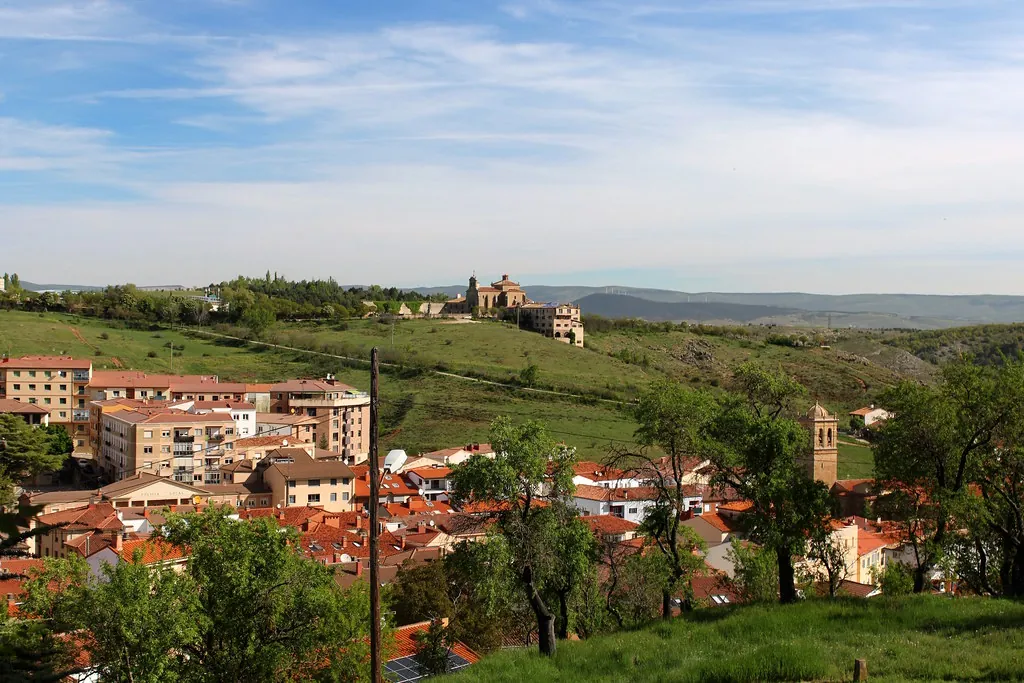
At 945 metres above sea level, Sotragero sits high enough that mobile phone reception becomes patchy on the approach roads. This isn't the Spain of coastal resorts or grand cities—it's Castilla y León's elevated interior, where wheat fields stretch to horizons that seem impossibly distant and the air carries a clarity that makes distant hills appear closer than they are.
The village perches on the transitional zone between Burgos's cereal plains and the foothills that rise towards the Cantabrian Mountains. This geography matters. Summer mornings start cool, even when afternoon temperatures nudge 30°C. Winter brings proper cold—temperatures regularly drop below freezing from November through March, and snow isn't unusual. The altitude shapes everything here, from the thick stone walls of houses to the pace of life that adjusts to mountain time rather than Mediterranean languor.
Stone and Silence
Walking through Sotragero's compact centre takes approximately fifteen minutes, though most visitors find themselves moving slower. The stone houses, built from local limestone that weathers to a warm honey colour, line narrow streets that follow no particular pattern beyond the logic of medieval livestock movement. Doorways sit lower than modern standards—people were shorter when these houses went up—and windows remain small, designed to keep heat in rather than maximise views.
The Iglesia Parroquial de San Juan Bautista dominates the highest point, its modest bell tower visible from kilometres away across surrounding farmland. Inside, the church reveals layers of architectural history: Romanesque foundations, Gothic modifications, and Baroque additions that wealthy villagers funded during the 18th century wool boom. The interior stays refreshingly cool even during August heat, though winter visitors will find it properly cold—heating is minimal, in keeping with Castilian tradition of enduring discomfort rather than fighting it.
Around the church plaza, three benches provide the village's main social hub. Morning coffee happens here, taken from thermos flasks rather than café bars—Sotragero has none. The nearest proper coffee requires a ten-minute drive to Pedrosa del Páramo, slightly larger but hardly metropolitan.
Walking the Agricultural Labyrinth
The real exploration starts where the tarmac ends. A network of agricultural tracks radiates from the village, originally created for moving sheep between winter and summer pastures. These caminos remain public rights of way, though you'll share them with modern tractors rather than medieval shepherds.
The most straightforward route follows the Arroyo de Sotragero northeast for three kilometres to the abandoned hamlet of Villanueva. What was once a thriving community of thirty families now comprises roofless stone shells gradually being reclaimed by vegetation. It's a forty-minute walk each way, passing through wheat fields that shift from green velvet in spring to gold stubble by July. The path stays mostly level—this is plateau country, not mountain hiking—but sturdy footwear proves essential after rain turns the clay soil to glue.
More ambitious walkers can tackle the circular route linking Sotragero with four neighbouring villages. This twelve-kilometre circuit takes about three hours, climbing gently to 1,100 metres before dropping back down. The reward comes in understanding how these communities functioned as an integrated network—each village specialised in different aspects of mixed farming, connected by these ancient paths that predated motor vehicles by centuries.
Eating Without Restaurants
Sotragero's lack of dining options isn't oversight—it's reality for villages this size across interior Spain. The population of 5000 quoted in tourist literature includes surrounding hamlets; the actual village houses perhaps 200 permanent residents, too few to sustain commercial catering. This forces visitors into the local rhythm of shopping and cooking, which reveals more about place than any restaurant menu could.
The weekly market happens Saturday mornings in Burgos, forty-five minutes drive away. Locals make this journey routinely, stocking up on provisions that last until the following weekend. The Mercado Municipal de Abastos offers proper Castilian ingredients: morcilla blood sausage from nearby Briviesca, lechal lamb milk-fed for three weeks, and pulses from the Tierra de Campos region that make superior stews.
For immediate needs, the village shop opens limited hours—typically 9-11am and 5-7pm, though this varies according to proprietor convenience. Stock is basic but sufficient: local cheese from dairy cooperatives, tinned goods, wine from Ribera del Duero (thirty kilometres south), and bread delivered daily from a bakery in Melgar de Fernamental. Shopping here requires adjusting to Spanish village pace—no rushing, much conversation, and acceptance that what you want might not be available today.
Weather Realities and Seasonal Rhythms
Spring brings the most reliable weather, with September running a close second. April and May deliver daytime temperatures around 18-22°C, cool nights requiring extra layers, and landscapes that transform weekly—first green shoots, then poppies splashing red across wheat fields, finally the whole plateau turning golden. These months also bring migrating birds following the Cordillera Cantábrica flyway; binoculars reveal species rarely seen in Britain.
Summer divides sharply between acceptable and challenging. June works beautifully—long daylight hours, temperatures manageable for walking, village fiestas providing cultural immersion. July and August become genuinely hot, regularly exceeding 35°C at midday. The altitude moderates night temperatures, but accommodation without air conditioning (standard in rural properties) can feel uncomfortable. August also brings the patronal festival, when the village population temporarily triples with returning families. Accommodation books up months ahead, prices increase, and the quiet atmosphere disappears under fireworks and late-night festivities.
Winter offers stark beauty but demands respect. Blue-sky days with temperatures around 8°C create perfect walking conditions, but weather changes rapidly. Atlantic storms bring horizontal rain that penetrates even good waterproofs. Snow falls several times each winter, sometimes heavily enough to cut road access for days. Most rural accommodation closes November through March—owners head to coastal properties, leaving villages to hardy locals who understand that isolation comes with territory.
Practicalities Without Platitudes
Getting here requires commitment. The nearest airport at Santander lies 90 minutes away via mountain roads that demand concentration—Spanish drivers treat these routes as racetracks. Bilbao adds thirty minutes, Madrid subtracts none. Car hire proves essential; public transport reaches Pedrosa del Páramo twice daily on weekdays only, requiring pre-arranged collection for the final eight kilometres.
Accommodation comprises three options: rural houses converted from agricultural buildings, rooms in village houses, or staying in Burgos and driving out daily. The first provides authentic experience but variable standards—check whether heating extends beyond portable electric radiators. The second offers genuine hospitality but limited privacy. The third sacrifices immersion for comfort and restaurant access.
Mobile coverage remains patchy throughout the area. Vodafone and Orange provide reasonable service; other networks struggle. Download offline maps before arrival, and accept that being unreachable forms part of the appeal rather than inconvenience to overcome.
Sotragero won't suit everyone. Those seeking nightlife, sophisticated dining, or extensive sightseeing should stay elsewhere. But for travellers wanting to understand how Spain's interior functions away from tourism's distorting influence, this elevated village provides genuine insight into rhythms that have governed rural life for centuries—weather-dependent, community-focused, and utterly unpretentious about its place in the world.