Full Article
about Tardelcuende
Church of the Assumption;Municipal pool
Ocultar artículo Leer artículo completo
The church bell strikes noon and every shutter in Tardelcuende snaps shut. Not because something’s wrong—this is simply how lunch works at 990 m on the Soria plateau. By the time you’ve found the lone cash machine (there isn’t one), the village has retreated indoors for lamb stew and a siesta that lasts until the sun drops behind the cereal fields.
A Plateau that Forgets the Century
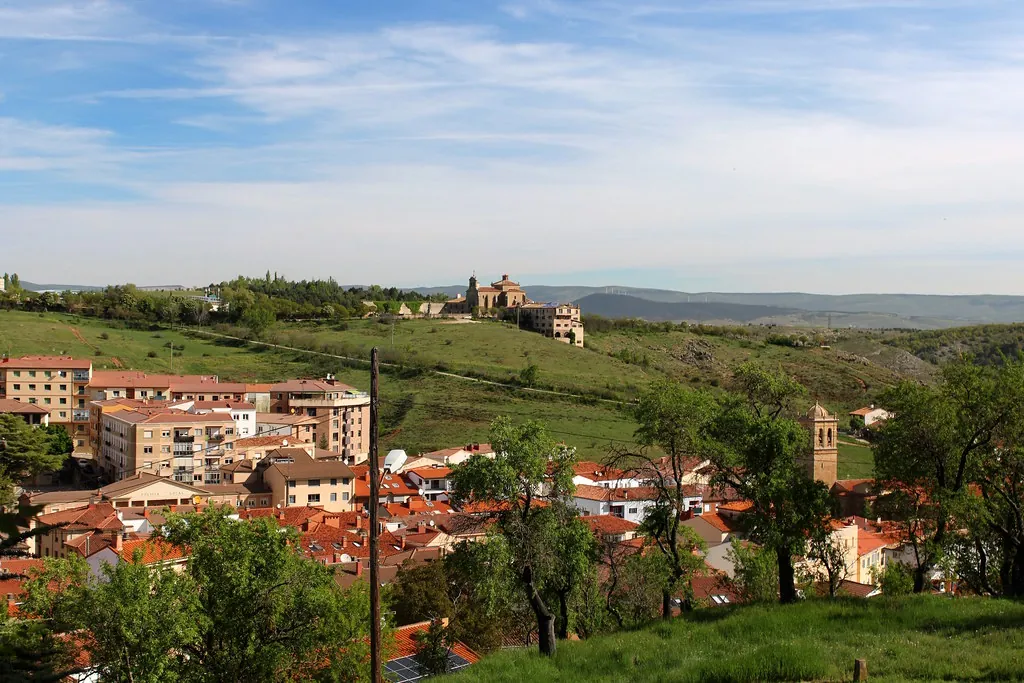
Tardelcuende sits 20 minutes north-east of Soria city, far enough from the A-2 motorway to feel untouched, close enough that you can still pick up a 4G signal if you stand on the stone bench in the plaza. The landscape is a chessboard of wheat, barley and ochre earth, interrupted only by holm-oak clumps where booted eagles nest. Spring turns the fields an almost English green; by July the colour has been baked out, leaving a palette that looks like a sepia photograph even while you stand in it.
The village houses are built from the same stone that peasants dragged off the land. Granite corners, timber beams the width of a farmer’s shoulders, and roofs that still carry 1950s TV aerials—no one has bothered to remove them because Netflix won’t stream through 80 cm walls anyway. Population hovers around 424; on weekdays it feels lower, especially if you arrive after the morning bread van has left.
What Passes for Sights
There is no ticket office, no audio guide, no gift shop. The 16th-century parish church of San Pedro keeps its key under a flowerpot; lift the latch and you’ll find a single nave, cool even at midday, smelling of wax and centuries of incense. Look for the wooden pulpit carved with grapes and wheat sheaves—symbolic insurance for the harvest rather than mere decoration.
A five-minute stroll north ends at the old threshing floors, stone circles where villagers once trampled grain with mules. They’re weed-filled now, perfect picnic platforms with a 270-degree view of the Duero basin. Bring olives and a slab of local sheep cheese; the cheese is mild, closer to Wensleydale than Manchego, and it won’t melt in the high-plateau heat.
Saturday adds a scattering of heraldic mansions to the itinerary—doorways carved with family crests, iron balconies thick with paint layers. None are open inside; peep through the keyholes and you’ll glimpse shaded patios where geraniums survive on rainwater funneled from the guttering.
Walking Without Waymarks
The village lies on the GR-86 long-distance footpath, but way-finding is refreshingly simple: pick any farm track and walk until you fancy turning back. A gentle 6 km loop follows the ridge south to the abandoned hamlet of Calatañazor; stone walls still stand, but storks have taken over the bell-tower. If you prefer shade, head east into the tiny Cañón de Tardelcuende where junper and ivy keep the temperature ten degrees cooler. The path ends at a natural pool deep enough for a swim in late May—bring sandals, not flip-flops, the riverbed is stony.
Cyclists can borrow a mountain bike from La Casa del Maestro (€15 a day, helmet included). The lane west toward El Burgo de Osma is tarmac, almost car-free, and rolls through sunflower fields that turn their heads in unison like spectators at a slow-motion tennis match.
Eating by Appointment
Food happens on village time. Bar C3 opens at seven for coffee and churros, closes at three, reopens at eight. Order a pincho de torreznos—crispy pork belly strips sprinkled with smoked paprika—and you’ll be offered the dominoes tray whether you speak Spanish or not. They pour rosé from Berlanga de Duero into water glasses; it’s chilled, pale and slips down like summer fruit squash with alcohol.
Evening dining is essentially a private house. La Casa del Maestro has four tables, no menu, and proprietor Concha shops the Soria market each morning. Ring before 11 a.m. and she’ll slow-roast a milk-fed lamb shoulder; arrive unannounced and you’ll get whatever is left. Expect to pay €22 for three courses including wine that arrives in a plain bottle with no label. Vegetarians get patatas a la importancia, potato nuggets in saffron batter—hearty enough to make a carnivore jealous. Pudding is usually torrija, Spain’s answer to bread-and-butter pudding, soaked in local honey instead of custard.
When Silence Isn’t Golden
Tardelcuende’s quiet can tip into silence that feels eerie rather than peaceful. Shops shut by two; the bakery van leaves at ten past eleven. If you need cash, the nearest ATM is a 25-minute drive to Soria—plan accordingly. Mobile reception inside stone cottages is patchy; step onto the street and you’ll watch your phone frantically download three hours of notifications.
Winter brings the opposite problem: the N-122 can close when snow drifts across the plateau. Temperatures drop to –8 °C at night; landlords light wood stoves but bedrooms stay nippy. Book only if you enjoy scraping ice from a hire-car windscreen while a Labrador watches from a farmhouse doorway.
Festivals that Fill the Streets
San Antón on 17 January is the first date the diary remembers. Locals build a bonfire in the plaza, bring mules and hunting dogs for a blessing, then share chorizo grilled over the embers. Visitors are handed a slice whether they understand the Castilian prayers or not.
August fiestas last four days and double the village population. Brass bands march at nine in the morning—no lie-in—and bull-running happens on a makeshift ring of hay bales. You won’t find tickets online; buy a plastic cup of calimocho (red wine and cola) from the bar hatch and you’re automatically part of the audience. Beds disappear fast; reserve at least two months ahead or sleep in Soria and drive back carefully along the empty road, buzzed on cheap wine and village adrenaline.
Leaving Before the Bell Strikes Again
Check-out time everywhere is noon, but no one will hurry you. Hosts assume you’ve come to forget the minute hand. Pack your bag, buy a wheel of sheep cheese from the fridge at Bar C3 (they’ll wrap it in newspaper), and you’ll still make Madrid airport in two and a quarter hours—unless you stop for photographs of wheat catching the light like burnished brass. Most people do.