Full Article
about Tejada
Ocultar artículo Leer artículo completo
The Sound of Nothing
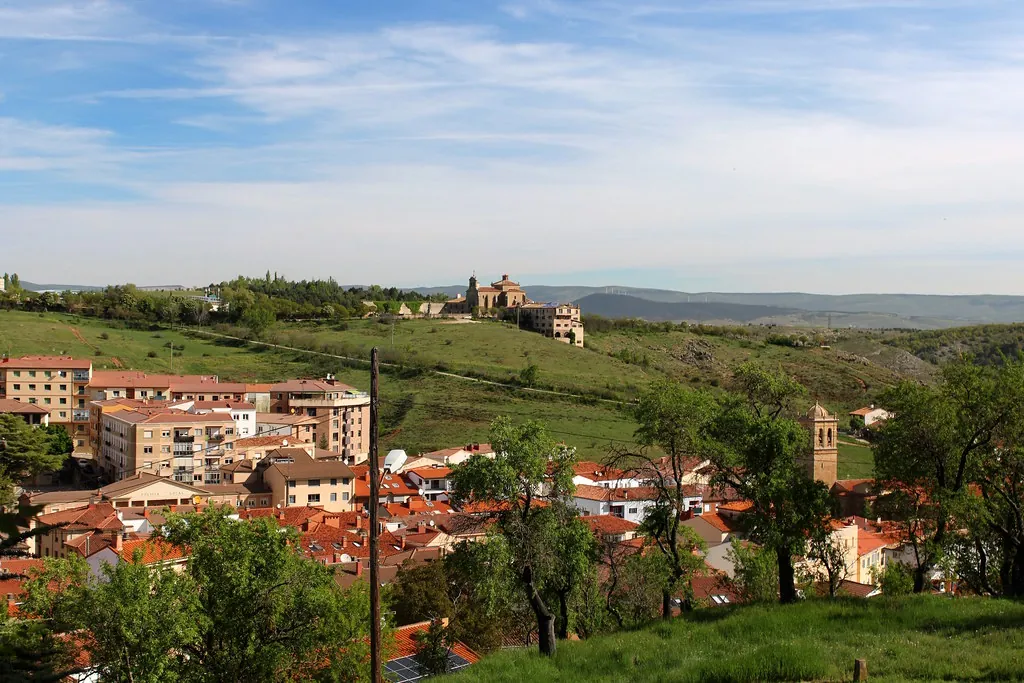
Stand in Tejada's centre at midday and you'll hear it – the complete absence of traffic, chatter, mobile phones. Just wind moving through wheat fields and the occasional clink of a farm tool. This Burgos village of barely 140 souls sits 845 metres above sea level, where the Meseta's vast cereal plains begin their roll towards the Cantabrian mountains. It's precisely this nothingness that draws the few visitors who make the 74-kilometre drive from Burgos city, navigating country roads that grow narrower with each passing village.
The silence wasn't always golden. Like much of rural Castilla y León, Tejada emptied during Spain's economic boom years, when construction sites in Madrid and Barcelona promised wages that barley fields never could. The abandoned houses tell their own story: stone facades slowly weathering, roof tiles slipping, wooden doors painted in colours that haven't been sold for decades. Yet those same empty properties now attract weekenders from Bilbao and Santander, who buy them for prices that wouldn't secure a garage space back home – typically €30,000-€50,000 for a workable two-bedroom house needing reform.
Stone, Tile and Earth
Tejada's architecture follows the Castilian playbook without deviation. Local limestone forms thick walls that keep interiors cool during scorching summers and retain heat through bitter winters. Arab tiles, curved and terracotta, create rhythmic patterns across rooftops that blend seamlessly with the earth-toned landscape. The church of San Pedro stands at the village's highest point, its modest 16th-century bell tower serving as both spiritual and literal landmark for miles around.
Walking the streets reveals construction details that pre-date building regulations. Doorways sit lower than modern standards – the average 16th-century Castilian was considerably shorter. Windows face south to maximise winter sun, north-facing apertures being either tiny or non-existent. Many houses still feature the traditional "poyo" – a stone bench built into the exterior wall where elderly residents once sat to watch the world not pass by.
The surrounding landscape operates on an annual cycle that's remained unchanged for centuries. October brings the wheat planting, green shoots emerging through stubble fields before winter's dormancy. March sees the first growth spurt, fields turning emerald almost overnight. By late June, the colour shifts to gold as harvest approaches, combine harvesters working through the brief Castilian summer night when temperatures drop from daytime highs of 35°C to more manageable 20°C.
Walking Through Empty Spain
Tejada sits within what locals call "España Vaciada" – emptied Spain. Yet this demographic decline has created unexpected opportunities for walkers seeking solitude. A network of farm tracks radiates from the village, following ancient rights of way that pre-date land consolidation. These paths, marked by rough stone cairns and the occasional faded yellow arrow, lead through wheat monoculture that's both impressive and slightly terrifying in its uniformity.
Spring walks reveal the plateau's subtle biodiversity. Poppies create red scars in wheat fields, while wild asparagus grows along field margins – locals still forage for these thin, bitter spears that make supermarket asparagus seem bloated. The occasional holm oak provides shade and habitat for nesting birds; look for hoopoes with their distinctive crown feathers and listen for the distinctive call that gives them their onomatopoeic Spanish name, "abubilla".
Serious hikers should adjust expectations. The terrain lacks drama – no peaks to conquer, no rivers to forge. Instead, it's about endurance and observation. The GR-88 long-distance path passes 12 kilometres south, but Tejada itself offers gentle circuits of 5-15 kilometres that can be completed between breakfast and the late lunch that Castilian farmers favour. Take water – lots of it. The continental climate sucks moisture from bodies faster than coastal Brits expect, and there's nowhere to refill between villages.
Eating What the Land Provides
Tejada's culinary offering is exactly what you'd expect: almost non-existent. The village bar, when open, serves basic drinks and might rustle up a tortilla if you're lucky. This isn't a destination for foodies seeking the next big thing. Instead, it's about understanding how Castilian cuisine evolved from necessity rather than creativity.
Local specialities reflect preservation needs in a climate of temperature extremes. Morcilla de Burgos, the region's famous blood sausage, includes rice as filler – historically cheaper than pure meat and more filling for agricultural workers. Lechazo, milk-fed lamb roasted in wood-fired ovens, represents celebration food, traditionally served at weddings and fiestas when families would sacrifice a young animal. Queso de Burgos, a fresh white cheese made from sheep's milk, provided protein during long winter months when meat was scarce.
The nearest proper restaurant sits 15 kilometres away in Salas de los Infantes – Restaurante Pedro offers traditional cooking without tourist markup. Expect to pay €12-€15 for a three-course menú del día, including wine that arrives in a plain bottle and tastes better than its presentation suggests. Their lechazo serves two, costs €24, and arrives with roast potatoes that soak up the meat juices perfectly.
When to Visit, How to Cope
Spring visits reward with green fields and comfortable temperatures of 15-20°C. April brings occasional showers that transform the landscape temporarily, creating puddle reflections that photographers prize. Autumn offers similar conditions plus harvest activity, though days shorten rapidly – by October, darkness falls by 7:30 pm.
Summer visits require strategy. Daytime temperatures regularly exceed 30°C, making walking dangerous for the unprepared. Locals emerge at dawn to work fields, then retreat indoors until evening. If visiting July-August, adopt their rhythm: early starts, siesta during peak heat, evening exploration when temperatures drop to 25°C. The village pool, built with EU funds and opened only during summer months, provides relief for €2 admission.
Winter brings its own challenges. Temperatures can drop to -10°C, and snow isn't unknown though rarely lies long. Many houses lack central heating, relying on wood burners that require constant feeding. Some weekenders arrive expecting cosy retreats, discovering instead that stone houses take days to warm properly and single-glazing creates permanent drafts.
Getting here demands wheels. No buses serve Tejada; the nearest stop is 12 kilometres away in Salas de los Infantes, served twice daily from Burgos. Car hire from Burgos airport costs around €30 daily for basic transport. The final approach involves narrow country roads where wheat fields create tunnel effects; meeting agricultural machinery requires reversing to the nearest passing point, sometimes several hundred metres.
Accommodation options reflect village reality. No hotels exist, but three houses offer rural tourism rentals, charging €60-€80 nightly for two-bedroom properties. Book directly through the ayuntamiento website – they'll connect you with owners who prefer phone calls to online booking systems. Alternatively, stay in Salas de los Infantes where Hotel Via de la Plata offers modern rooms for €55, including breakfast that features local cheese and honey.
Tejada won't change your life. It won't feature on Instagram feeds or Michelin guides. What it offers is more valuable: a place where rural Spain continues regardless of tourism trends, where farmers still discuss rainfall over morning coffee, where the night sky remains unpolluted by light or noise. Come prepared for simplicity, bring patience for the pace, and leave expectations at the city limits. The village will still be here, quietly existing, long after trendier destinations have burned themselves out on their own publicity.