Full Article
about Tortoles De Esgueva
Ocultar artículo Leer artículo completo
The only traffic jam in Tórtoles de Esgueva happens at 14:00 sharp when the farmer’s sheepdog rounds up twenty-odd merinos and marches them past Bar Casa Ramón. Drivers halt, the barman steps outside with his tea-towel, and for ninety seconds the village’s single street becomes a woolly procession. Then it’s over. The dust settles, the dog gets a crust of bread, and you remember why you left the M25 in the first place.
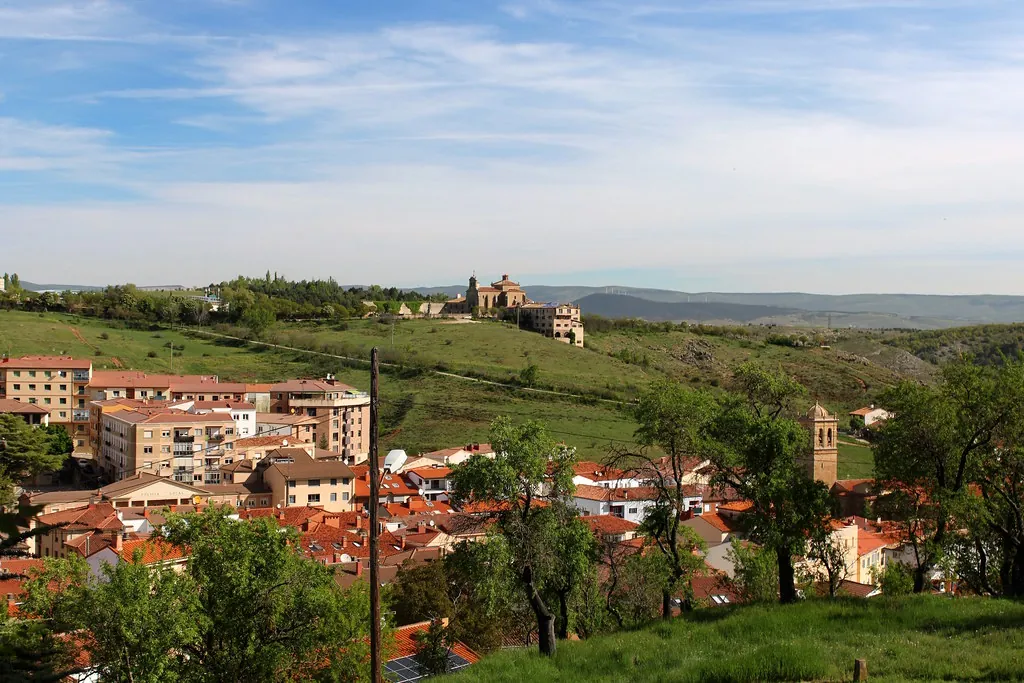
At 945 metres above sea level, the air is thin enough to make the first glass of Ribera del Duero taste twice as strong. The village perches on a limestone ridge above the river Esgueva, 82 km south of Burgos, where the Meseta begins its slow climb towards the Cordillera. In April the wind still carries winter’s bite; by mid-June the thermometers can touch 34 °C, yet the nights drop to 12 °C—perfect for keeping wine cellars cool without electricity.
Stone, Wine and a Church that Doesn’t Do Flash
There is no postcard-perfect plaza. Instead, a lattice of cobbled lanes wide enough for one mule and a sense of humour. Houses are built from the ridge itself: ochre limestone blocks mortared with mud, timber balconies painted the colour of ox-blood, and front doors tall enough to admit a loaded hay-cart. Many still have the family name chiselled into the lintel—Hnos. García, 1897—a reminder that property here stayed in the same bloodstream for generations.
The parish church of San Andrés keeps its doors unlocked. Inside, the air smells of candle wax and damp sandstone. The altar-piece is nineteenth-century, gilded but restrained; no dripping Baroque excess this far from the silver routes. Locals pop in on their way to the bread van, make the sign of the cross, leave again. No entry fee, no gift shop, no audioguide in six languages. Photography is allowed; flash is frowned upon by the señora who polishes the pews every Tuesday.
Beneath your feet runs a warren of man-made caves. Over two hundred bodegas subterráneas were hand-dug to store wine at 14 °C year-round. Most are private, their iron padlocks painted the same green as the street signs, but you can spot the ventilation shafts—zarceras—poking up like stone periscopes. One or two owners will open up if you ask in the bar; expect a torch-lit descent, spider webs, and a gratis tasting from last year’s vintage drawn off the tap of a plastic barrel. It beats a £45 warehouse tour in Napa.
Walking, Eating and the Art of Doing Nothing
The GR-14 long-distance path skirts the village on its way from Galicia to the Ebro. Follow the white-and-red blazes west for 25 minutes and you reach the river: poplars, kingfishers, and the occasional abandoned water-mill with a millstone still in situ. A circular loop back through vineyards takes ninety minutes; the only sound is the crunch of limestone gravel and the distant clank of a tractor reversing. In July you can breakfast on wild blackberries that grow through the wire fences; in October the same hedges smell of fermenting grapes left after the mechanical harvester has passed.
Back in the village, Casa Ramón opens at 08:00 for farmers and keeps serving until the last customer leaves. The menú del día is €12 mid-week and has not changed since 2018: half a roast lechazo shoulder, chips fried in mutton fat, and a slab of tiramisu from a catering pack. Ask for vino de la casa and you’ll get a 250 ml glass of Ribera del Duero for €2.30—cheaper than the bottled water. Vegetarians get a resigned omelette; vegans should bring sandwiches.
If you want something greener, drive 12 km to Pradorey winery. Their restaurant does a decent ensalada de ventresca (tuna belly and tomato) and will sell you a bottle of their crianza for €9 to take away. Book a table at the weekend; Spanish city folk arrive in BMWs and talk louder than the tractor noise you’ve just escaped.
When the Weather Turns and the Village Closes
Tórtoles sits high enough to catch proper snow. January roads become polished ice; the council grits once, then retreats. In August the same tarmac softens and smells of tar. Spring and autumn are the sweet spots: mid-May for almond blossom, mid-October when stubble fields turn bronze and the air smells of grape must. Rain is scarce—440 mm a year, half of London’s—but when it comes the clay soil sticks to boots like wet cement and the village smells of sheep and wet stone.
Accommodation is thin. Hotel Raíz has nine rooms above the main road; €55 for a double with a shower that could fit in a Ryanair toilet. The upside is you can park outside your door and the Wi-Fi sometimes reaches 12 Mbps. Prefer a pool? Bodegas Traslascuestas five minutes down the road has eight rooms in a converted farmhouse, English-speaking owners, and a salt-water pool that overlooks 200 ha of their own vines. Rates start at €110 B&B; they’ll lend you mountain bikes if you promise not to cycle drunk.
How to Arrive Without Getting Lost in Valladolid
Fly Ryanair from Stansted to Valladolid (1 hr 50), collect a hire-car, and head north on the A-11 for 50 minutes. Ignore the sat-nav when it tries to send you down a farm track after Peñafiel; stay on the CL-610 until you see the sign for Tórtoles. Total driving time from the airport is 1 hr 20—quicker than reaching Devon on a Friday in August. Madrid is an alternative: 2 hr 15 up the AP-6, tolls €24. No bus serves the village; a taxi from Burgos costs €120 and the driver will complain about the return journey being empty.
Fill up before you leave the motorway—petrol stations disappear after Aranda. Sunday lunchtime everything shuts; even the bar turns off its lights at 16:00. Bring cash: the nearest ATM is 18 km away in Peñaranda and it charges €2. Vodafone coverage is patchy; if you need to post that Instagram story, stand outside the church and face north-east.
Leaving Without the Gift-Shop Bag
There is nothing to buy. No fridge magnets, no artisanal soap, no £35 cotton tote announcing your new-found rustic serenity. Walk the sheep-track at dawn, watch the sun lift the mist off the cereal plains, and you understand the village’s real commodity: silence measured in kilometres, not minutes. Drive away before the lunchtime dog traffic resumes, and the only souvenir is dust on your windscreen and a faint taste of tannin that lingers until Burgos.