Full Article
about Tubilla Del Lago
Ocultar artículo Leer artículo completo
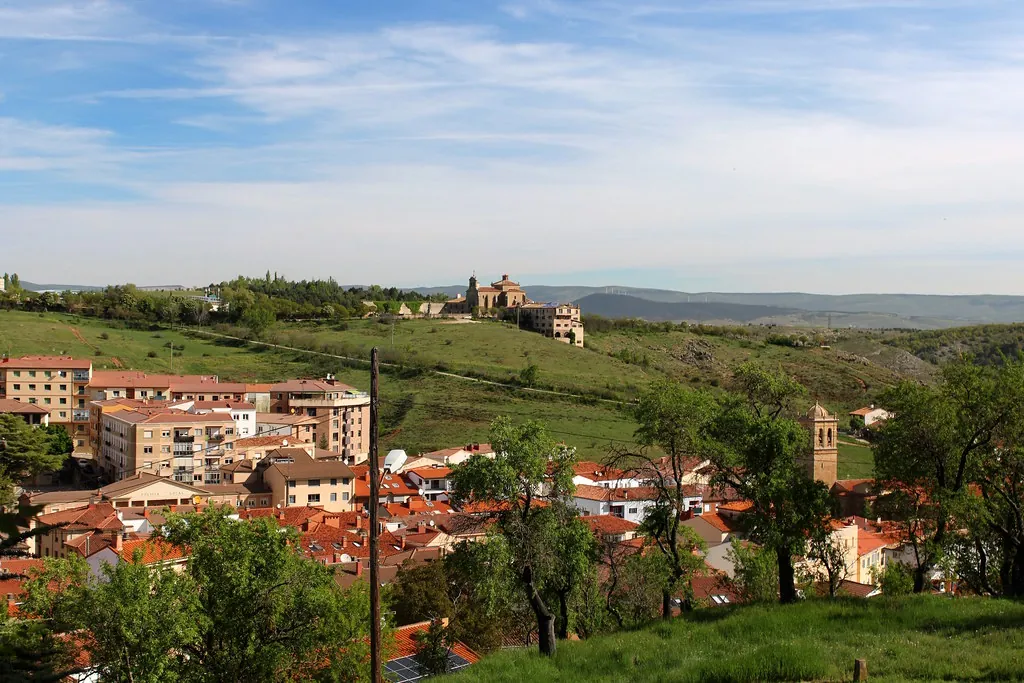
The first thing to know is there’s no lake. The lagoon dried up centuries ago, leaving behind a shallow bowl of iron-rich soil that now grows tempranillo grapes instead of reeds. Stand on the rise above Tubilla del Lago at 945 m and you’ll see the outline: a darker crescent of vines that ripens a fortnight earlier than the neighbouring plots, the ghost of the vanished water still dictating the micro-climate.
At dawn the valley below can be 4 °C colder than the village square. That temperature swing—diurnal range, the wine blokes call it—locks acidity into the berries and explains why the local co-op’s Valdelago crianza tastes brighter than its 14% strength suggests. By midday the same square is a sun-trap; residents shuffle two tables forward so the café umbrella keeps its shade on them, not their coffee.
Stone, Adobe and Underground Cellars
Houses here are built from what was underfoot: ochre limestone quarried from the ridge, adobe bricks mixed with straw from the threshing floors. The result is walls half a metre thick that stay cool without air-conditioning—useful, because nobody installs it. Look up and you’ll notice most roofs still carry the original curved Arabic tiles, thicker and heavier than the modern flat sort; they were brought up by mule from the Duero ferry at Peñafiel in the 1920s because the new railway station at Aranda couldn’t handle the weight.
Beneath almost every dwelling is a bodega scooped into the bedrock. The entrance is a wooden trapdoor next to the fridge—lift it and a narrow staircase drops eight metres to a vaulted room kept at 12 °C year-round. Some families still ferment in the stone lagares; others have bolted stainless-steel tanks alongside and run an informal sell-by-the-jug business. Knock politely; most will rinse out a plastic water bottle and charge €2 for litre-grade tempranillo that hasn’t seen a tax stamp.
The church tower serves as the local barometer. When clouds roll from the Sierra de la Demanda you can watch the weather arrive: first the tower disappears, then the roofs, finally the only thing left is the sound of the bell striking the hour, muffled by mist. Sunday Mass is at 11:00, but the bell also rings at 07:30 because the sacristan likes to check the mechanism. Light-sleepers should request a back-room in the only guest house.
Walking Without Waymarks
Officially there are no signed footpaths. Unofficially, the old mule tracks still join the villages like beads on a rosary. From the top calle, squeeze past the yellow municipal tractor and follow the stony lane that smells of fennel. In twenty minutes you’re among vineyards where each parcel is no wider than two terraces—the maximum a single ox could plough before the 1950s land reform. Keep going south-west and you’ll reach the ruined Ermita de San Bartolomé, its bell long gone to make Civil-war scrap. The doorframe survives, wide enough for a donkey and a priest side by side.
Carry water; there are no fountains until Hontoria de la Cantera, 7 km on. Mobile signal fades after the first ridge—download the IGN 1:25,000 map before leaving Wi-Fi. Spring brings purple flax and white asphodel; autumn smells of crushed sage and fermenting grapes. Mid-July is best avoided unless you enjoy 35 °C and the occasional adder sunbathing on the path.
Eating (and Drinking) Like a Clerk on Expenses
Tubilla has two bars, one bakery, zero cash machines. Bar La Plaza opens at 07:00 for tractor drivers and does a decent sopa castellana—thick bread, paprika, ham bone, poached egg. Ask for it “sin huevo” if the thought of morning yolk feels colonial. A bowl costs €3.50 and comes with a quartered baguette you’re expected to dunk. Coffee is €1.20, but they’ll refill the milk jug only if you’re Spanish or exceptionally polite in their own dialect.
Lunch options depend on the day. Thursday to Sunday the back room of the co-op sells roast lamb (cordero asado) by the quarter-kilo. Arrive before 14:00; when it’s gone, it’s gone. The bakery produces rosca, a sweet bread ring tasting like a subdued hot-cross bun—buy it before 10:00, by evening it’s repurposed as breadcrumbs for tomorrow’s croquetas.
Wine is simpler: walk into the co-op shop with your own bottle, they’ll pull the tap and charge €1.80 a litre. The crianza has two years in American oak, enough vanilla to keep British palates happy without the leather punch of Rioja. Bring cash; they keep a marker pen to tot up sales on the counter top because the card reader broke in 2019 and no one has fixed it.
When to Turn Up, When to Leave
April and May mean orchards of almond blossom and daytime temperatures in the low 20s—perfect for walking, murderous for hay-fever sufferers. September brings the vendimia; the village smells of grape must and the co-op hires an extra generator that hums through the night. Accommodation doubles in price the week Aranda hosts its national wine fair—book early or sleep in the car.
Winter is quiet, occasionally snow-quiet. The road from Aranda (17 km) is cleared after storms, but the final 3 km climb can still be sheet ice. Chains are rarely needed, yet hire companies at Santander airport will happily sell you a set for €70 you won’t use. The upside: empty trails, log fires in the bar, and the lamb roasted the Castilian way—no mint sauce, just salt, water and a wood-fired clay oven.
Getting There Without Drama
Fly to Santander on the morning Ryanair from Stansted; you’re on the A67 within an hour of touchdown. Ignore the sat-nav’s shortcut via minor roads—stick to the A1, exit 135 at Aranda, then follow the BU-925 east for twelve minutes. Petrol is 10 c cheaper in the supermarket hypermarket on the Aranda ring-road; the village garage closed in 2021 and is now someone’s garage-gym.
No bus serves Tubilla. A taxi from Aranda rail station costs €25 if you ring Radio Taxi; Uber doesn’t operate this far inland. Trains from Madrid Chamartín reach Aranda in 1 h 20 min on the new Alvia service; book the quiet coach—Spanish school groups treat it like a mobile cafeteria.
The Honest Exit
Tubilla del Lago will not change your life. You will not stumble upon a life-altering epiphany while sipping €1.80 wine in a cellar that smells of centuries. What you will get is an unvarnished slice of rural Castile: decent walks, honest calories, and the mild satisfaction of having turned up somewhere your neighbours haven’t. Bring a car, bring cash, and bring low expectations of nightlife. Leave the drone at home—there’s nothing dramatic to film, and the mayor has just learned what GDPR means.