Full Article
about Urbel Del Castillo
Ocultar artículo Leer artículo completo
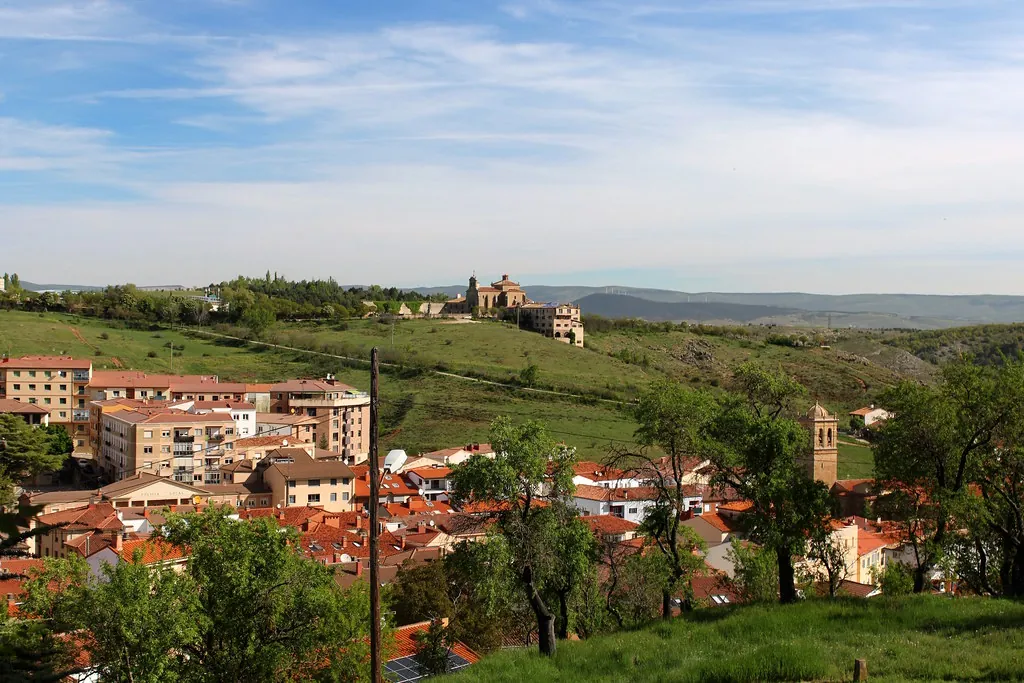
The church bell strikes noon, yet nobody hurries. An elderly man in a beret shuffles across the dusty plaza, his walking stick tapping a rhythm against the flagstones that hasn't changed in forty years. This is Úrbel del Castillo, a village where time moves to the cadence of wheat fields swaying in the breeze, 900 metres above sea level on Castilla y León's southern plateau.
Forty minutes' drive south-east from Burgos city, the road climbs gently through endless horizons of cereal crops. The landscape flattens as if ironed by giants, broken only by the occasional holm oak or crumbling stone hut. Then Úrbel appears—a cluster of sand-coloured houses with terracotta roofs, huddled around a church tower that has watched over these fields since the 16th century.
The Architecture of Survival
Stone and adobe walls, some a metre thick, keep interiors cool during summer's furnace and retain heat when winter's frost paints the fields white. Windows are small, practical affairs—designed for insulation rather than views. The parish church of San Pedro mixes Romanesque foundations with Baroque additions, its weathered stone recording centuries of modifications like geological strata. Inside, the air carries traces of incense and candle wax, the same scent that greeted worshippers during the Civil War when the village served as a brief Republican outpost.
Walk the two main streets—Calle Real and Calle San Pedro—and you'll see houses that refuse cosmetic updates. Wooden doors, some dating to the 1800s, still hang on hand-forged iron hinges. The Arab tiles on roofs were fired in local kilns; many bear the thumbprints of craftsmen long dead. It's architecture built for endurance, not display, which explains why British visitors often find the village "unfinished" or "primitive." That's precisely the point.
When the Land Defines Life
The altitude matters here. At 900 metres, Úrbel sits high enough to escape the worst of Spain's coastal humidity but low enough to avoid mountain extremes. Summer temperatures regularly hit 35°C—arrive in July or August and you'll understand why locals shutter their windows between 2 pm and 5 pm. Winter brings proper cold: minus 5°C mornings where your breath freezes and the dirt roads turn to rutted ice. Spring and autumn provide the sweet spot, when wildflowers or golden stubble break the agricultural monotony.
The surrounding landscape isn't dramatic—no soaring peaks or plunging gorges—but it offers a different reward. On clear nights, the Milky Way appears close enough to touch. Light pollution is virtually non-existent; astronomers from the University of Burgos sometimes bring students here for stargazing sessions. During daylight, the flat terrain makes for easy cycling along farm tracks. Pack a picnic and you can ride for hours, following paths that Roman legionaries once used to transport wheat to their northern garrisons.
The Gastronomy of Extremes
Forget Michelin stars. The local bar, usually unnamed but universally known as "el bar de Paco," serves food that would make health inspectors weep and traditionalists rejoice. Try the cordero asado—lamb slow-roasted in a wood-fired oven until the meat slides from the bone. A half-kilo portion costs around €12, accompanied by patatas a lo pobre (potatoes fried in olive oil with onions and green peppers). The morcilla de Burgos, blood sausage studded with rice, arrives crumbled over crusty bread. Vegetarians should consider self-catering; even the vegetable dishes contain ham.
Wine comes from Ribera del Duero, 50 kilometres west. House red arrives in unlabelled bottles, usually poured from barrels that cost less than a London cocktail. It's rough, honest stuff that improves dramatically after the second glass. For breakfast, the bar opens at 6 am for farmers. Order a café con leche and toasted mollete (soft bread) spread with fresh tomato and olive oil. Total cost: €2.30.
The Practicalities of Rural Isolation
Getting here requires commitment. Bilbao airport, served by several UK carriers, lies 190 kilometres north—allow two hours' drive on good roads. Santander's airport adds an extra 30 minutes. Car hire is essential; public transport consists of one daily bus that connects with Burgos at inconvenient times. A taxi from the city costs €60 each way, assuming you can find a driver willing to make the journey.
Accommodation options fit on a postcard. Three village houses offer rooms—contact details exist only on Spanish websites, and responses can take weeks. Better to rent a rural cottage through Club Rural or similar agencies. Expect to pay €80-120 nightly for a two-bedroom house with kitchen. Bring supplies; the village shop stocks basics but closes for siesta and all day Sunday.
Mobile phone coverage is patchy—Vodafone works, O2 doesn't. WiFi exists in some rentals but arrives via copper cables that wheeze under the strain of a WhatsApp call. Download maps before arrival; Google Maps works offline but satellite signal disappears between wheat fields.
The Weight of Emptiness
This isn't a place for everyone. The silence can feel oppressive, especially at night when dogs bark at shadows and church bells mark quarters of an hour you hadn't noticed passing. Young locals flee to Burgos or Madrid, leaving an ageing population that eyes strangers with mixture of curiosity and suspicion. English isn't spoken; attempts at Spanish are appreciated but grammatically corrected with Castilian precision.
Yet for those seeking Spain unplugged—authentic not in the Instagram sense but in its refusal to perform for visitors—Úrbel delivers something increasingly rare. It's a village that exists for itself, not for tourists, where the pub serves as community centre and the landscape hasn't changed since your grandmother's geography textbook. Come for three days maximum, unless you enjoy conversations about wheat prices and the declining quality of village fiestas.
Book a spring visit when storks nest on church rooftops and the surrounding fields glow emerald with young cereal crops. Or choose October's harvest season, when combine harvesters work through the night and the air smells of straw and diesel. Either way, arrive with realistic expectations and leave before the silence starts feeling normal.