Full Article
about Vadocondes
Ocultar artículo Leer artículo completo
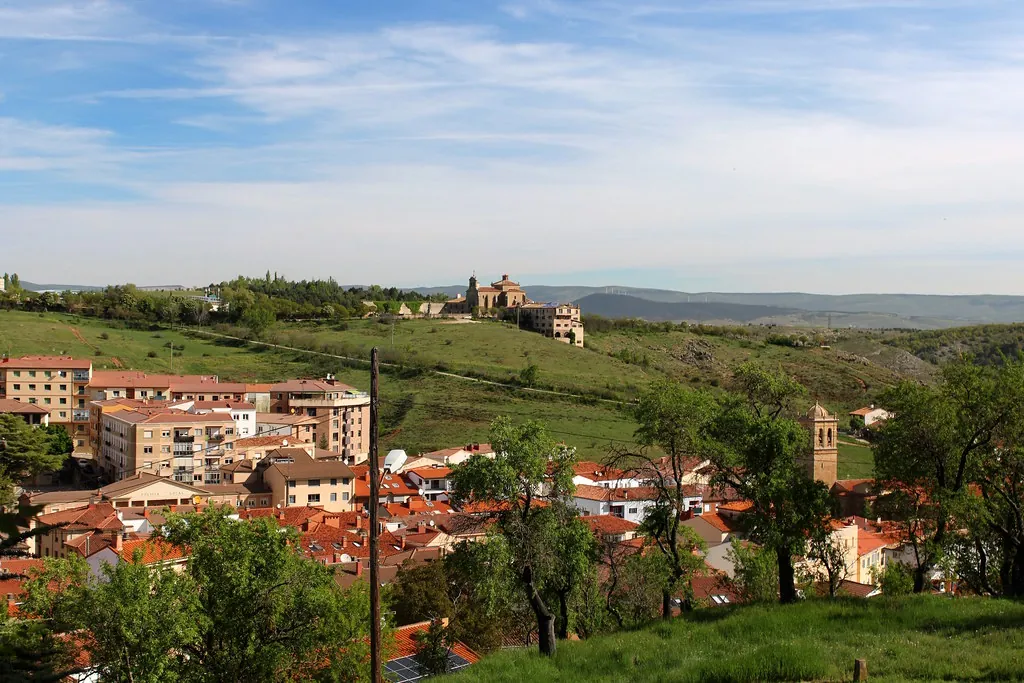
The church bell strikes twelve, yet nobody appears. Not because Vadocondes is deserted—its 300-odd residents are simply busy elsewhere, checking tempranillo grapes or sealing barrels in hillside caves. At 813 metres above sea level, this ridge-top settlement feels suspended between the river plain below and the empty meseta stretching eastward. Silence here isn't absence; it's a local speciality, bottled like the mellow clarete that ferments beneath your feet.
A Village Carved from Wine
Walk the single cobbled lane and the first thing you notice are stone chimneys sprouting from the ground—ventilation shafts for the calados, family cellars tunnelled into the soft limestone. Some have been in use since the 1600s; many still rely on the original ash-wood doors. If the heavy iron ring turns easily, the owner is probably inside topping up a 500-litre tinaja. Knock politely and you'll usually be handed a glass of last year's vintage before questions are asked.
Above ground, the architecture is modest: ochre plaster, timber balustrades, the occasional coat of arms worn smooth by desert wind. The 15th-century church of Nuestra Señora de la Asunción keeps its tower door locked, but dial 646 511 486 the day before and the sacristan will meet you with a key and a torch. Inside, the retable still bears traces of Burgundian blue pigment traded up the Duero when this river was the region's motorway. Sunday mass at 11:30 is in Spanish, but the sacristan happily summarises in English if you sit on the north side where the acoustics work.
Practical note: the nave is unheated. Between November and March, keep your coat on; stone pews were designed for hardier eras.
Flat Trails, Steep History
The GR-14 long-distance path skirts the village, following the river for 7 km to Peñafiel and 12 km to the ruined monastery of Santa María de Valbuena. The surface is packed earth, virtually level, and popular with Spanish weekend cyclists who treat it like a rural version of the Camel Trail. Hire bikes in Aranda de Duero (€18 a day from CicloDuero) or simply walk one way and phone Taxi Fermín for the return journey—he knows the trackside gates and charges a flat €15 however many muddy boots climb in.
History buffs should branch off at kilometre 4 where an abandoned iron railway bridge, erected by the Eiffel workshops in 1891, spans a dry tributary. The lattice girders are photogenic but fragile: several deck plates are missing and the local council has looped a discreet peligro sign across the entrance. Admire from the bank; don't attempt the crossing however tempting the Instagram shot.
What Passes for Nightlife
Evenings revolve around the bar on Plaza Mayor, open Thursday to Sunday and run by María Jesús, who doubles as the village mayor. A caña of amber crianza costs €1.80 and arrives with a complimentary plate of cured sheep's cheese milder than any Manchego sold back home. Ask for morcilla de Burgos and she'll warm the blood-and-rice pudding on her wood stove; it's less spicy than British black pudding and surprisingly good with apricot wine poured from an unlabelled jug (€2.50 a glass).
There is no restaurant, so eat before 20:00 or drive ten minutes to Fuentenebro, where Asador Casa Cayetano will grill a 1 kg chuletón over vine cuttings. Order it "en su punto" if you dislike meat that still waves. Vegetarians should request setas a la plancha—wild mushrooms gathered from the pine slopes behind the village and brushed with local rosemary.
Seasons, Prices, Practicalities
Spring and autumn provide the kindest light. April mornings can start at 4 °C but climb to 20 °C by lunchtime; take layers. September brings the vendimia: temporary stalls sell grape-juice mosto and villagers invite passing strangers to join the snip-and-stomp ritual—accept only if you don't mind purple hands for two days.
Access is straightforward from the UK: fly to Bilbao, then drive two hours south via the A-1. Alternatively, catch the high-speed train to Valladolid and pick up a rental car; the final 45 minutes cross empty wheat plains where traffic means a lone tractor. Petrol is cheaper at the Aranda de Duero hypermarket on the N-122—top up before the turn-off because Vadocondes has no fuel pump.
Parking is free on the shoulder at the village entrance. Streets inside the walls are single-track; if your car is wider than a Fiesta, leave it outside and walk the last 200 metres.
Accommodation is limited. The smartest option is Los Ángeles de San Rafael, a converted watermill five kilometres away with doubles from €90 including breakfast. Closer to budget, Casa Rural Abuela Benita offers three attic rooms overlooking the Duero for €55; she provides towels but no shampoo, so pack travel-size toiletries.
The Upshot
Vadocondes will never compete with San Sebastián for culinary fireworks or with Segovia for royal grandeur. That is precisely its appeal. Come for a slow afternoon, stay for starlit quiet so complete you can hear the river turning pebbles three kilometres off. Bring cash, an extra jumper, and enough Spanish to say "otro vino, por favor". Then let the village get on with what it has done since the counts after whom it is named rode through: growing grapes, guarding the valley, and pretending the twenty-first century is still a rumour.