Full Article
about Valdeande
Ocultar artículo Leer artículo completo
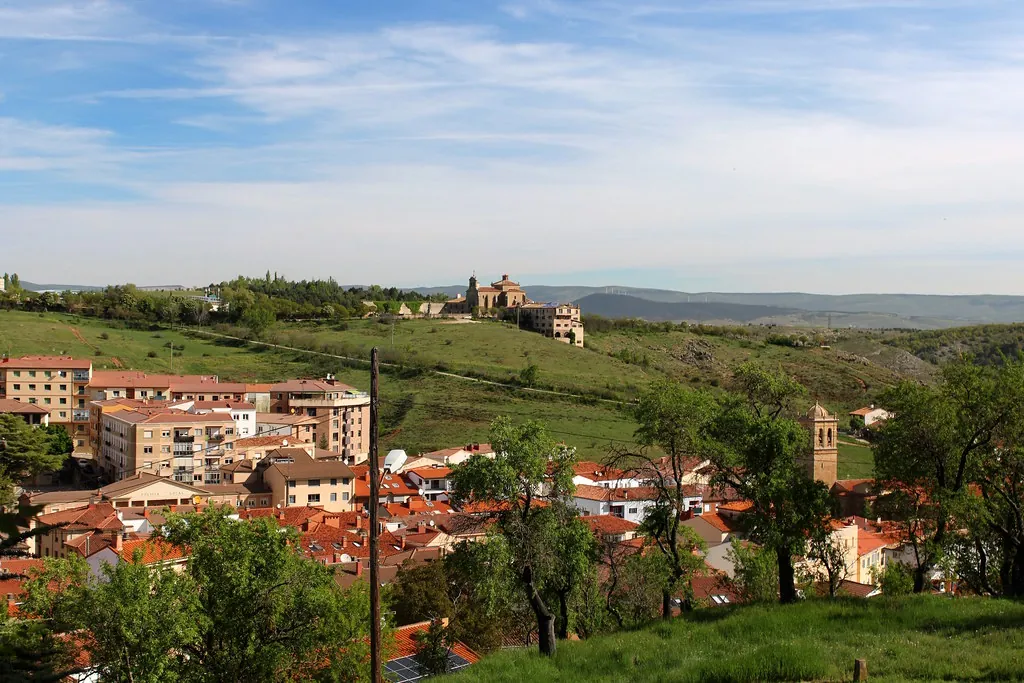
The church bells ring at noon, and every dog in Valdeande seems to answer back. From the single bench on the plaza you can see the whole performance: a farmer in a flat cap shooing pigeons off the ayuntamiento façade, two teenagers coasting downhill on bikes, the barman at Bar Centro flicking on the coffee machine for the post-lunch rush. Five thousand souls, give or take, and still small enough that a stranger with a rucksack earns a polite “buenas” from half of them before the hour is up.
Vineyards First, Village Second
Valdeande sits at 840 m above sea level on the northern lip of the Ribera del Duero plateau. That extra altitude matters: nights stay cool even when Madrid is sweltering 150 km to the south, so the Tempranillo grapes hold their acidity and the reds keep the region’s trademark snap. From late April the vines resemble neat rows of knuckles; by mid-September the same rows glow garnet and the roads smell of crushed fruit. There is no formal visitor centre in the village itself, but the tourist office in Aranda de Duero (20 km east) will lend you a bike for €15 a day and a pocket map of farm tracks that thread straight into the plantations. Expect to share the dust with tractors rather than tour buses; this is still work country, not postcard country.
If you arrive between Monday and Thursday outside fiesta weeks you will probably have the lanes to yourself. Friday afternoons are different: Madrid number plates appear, boots fill with loose bottles, and weekend houses flick on their shutters. Accommodation inside the village is limited to three small guesthouses (€45–€70 for a double, breakfast usually a slab of toast and a bowl of coffee). Most visitors base themselves in Aranda and drive over for the evening, which keeps Valdeande quiet but means the 1 a.m. streets are darker than a barrel cellar—bring a torch if you are walking back from dinner.
Stone, Adobe and the Smell of Cumin
The parish church of San Pedro Apóstol squats at the highest point, its tower a handy landmark when you have wandered too far between the low stone walls. Inside, the guide leaflet (€2, proceeds to roof repairs) points out a sixteenth-century Flemish panel that survived the Civil War by spending three years under a farmer’s haystack. The real charm, though, is the housing that fans out below: ochre adobe walls two feet thick, timber doors painted the colour of ox blood, and the occasional dovecote sticking up like a misplaced chess piece. Adobe means the houses breathe; step from the 34-degree heat of July into one of the renovated rentals and the temperature drops ten degrees without a whisper of air-conditioning.
Lunch is where the village proves it has not been fossilised for tourists. Bar Centro serves a menú del día (weekdays only, €12) that starts with a clay dish of roast peppers and ends with lechazo—milk-fed lamb hacked with the bone still in and served on a plank so hot it continues to sizzle. Vegetarians can negotiate a plate of setas (wild mushrooms) if it has rained recently; coeliacs should know that wheat flour drifts through the kitchen like winter snow. Order local wine by the porrón (a glass spout that looks like a cross between a watering can and a baby bottle) if you enjoy public humiliation: first-timers usually finish wearing most of the liquid.
Walking the Calm Away
Three waymarked footpaths leave from the plaza. The shortest (6 km, yellow waymarks) loops through vineyards and returns along an irrigation channel where herons hunt frogs. The longest (14 km, red dashes) climbs onto the paramo, the wind-scoured upland that separates the Duero from the Arlanza. Here the path is simply two ruts in the thyme; if you meet anyone it will be a shepherd on a quad bike moving his Merino flock. In winter the same route can be obliterated by snow-drifts, and the wind chill drops below –10 °C even when Burgos city is enjoying crisp sunshine. Come prepared; the Guardia Civil mountain-rescue truck passes through maybe twice a week.
Wine Without the Gloss
Serious bodegas lie within a 25-minute drive—Pesquera, Vega Sicilia, the glossy names that fill Decanter back pages. Valdeande keeps things earthier. The cooperative on the edge of town sells last year’s bulk in five-litre plastic jugs for €7; taste first from the stainless-steel tap, then decide whether you want the bottle or your own container. One private garage bodego, Bodegas y Viñedos Arescano, opens for pre-booked groups of six or more (€10, includes two reds and a rosé that rarely leaves the province). Their 2018 cosecha took silver in Valladolid; the winemaker keeps the medal in his trouser pocket and brings it out with the same shrug he uses for his mobile phone.
When the Village Lets Its Hair Down
Fiestas patronales arrive in the last week of June. The population effectively doubles as former residents drive up from Burgos and Madrid, cars parked bumper-to-bumper along the wheat stubble. Each night a different peña (loosely, drinking club) hosts an open-air dance; entry is free but you are expected to buy plastic cups of beer at €2 a throw. Fireworks bounce off the church tower at midnight, and no-one seems to mind that the display is more enthusiasm than choreography. If you prefer quieter tradition, turn up for La Roja in September: a morning grape-blessing followed by a communal paella cooked in a pan the size of a satellite dish. Tourists are welcome to queue, but locals eat first and the food is usually gone by 2 p.m.—arrive early and bring your own spoon.
Getting There, Getting Out
No train reaches Valdeande. From the UK the simplest rail-air combo is London-St Pancras to Paris, overnight to Madrid, then ALSA coach to Burgos (3 h 30 m). Hire a car at Burgos rail station; the drive north-east on the A-1 and BU-911 takes 55 minutes through wheat plains that look like East Anglia on steroids. Petrol stations thin out after Lerma—fill up. In winter carry snow chains even if the forecast is benign; the last 5 km climb from the Arlanza valley can ice over after dusk. Summer visitors face the opposite problem: parking shade is scarce, and leaving a dog in the car is effectively illegal nationwide.
The Honest Bit
Valdeande will not hand you instant drama. There is no cliff-edge castle, no river gorge, no Michelin star. What it offers instead is rhythm: the squeak of the church door at 7 a.m., the smell of damp earth after the pivots irrigate, the low murmur of men debating last night’s football while they sombra their wine glasses. If that sounds too slow, base yourself in Aranda and drop in for lunch. If it sounds like antidote, stay the night, walk the vineyards at sunrise, and remember to answer the dogs when the bells strike twelve.