Full Article
about Valle De Manzanedo
Ocultar artículo Leer artículo completo
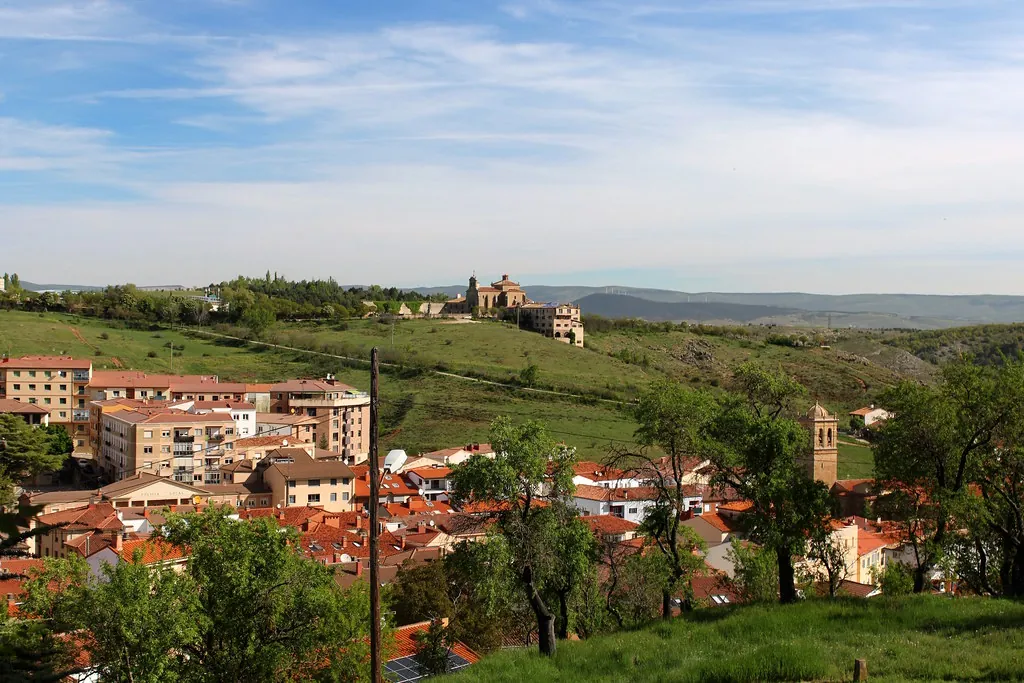
The first thing you notice is the quiet. Not the hushed, reverential silence of a cathedral, but the practical absence of human noise that makes a blackbird's wing-flap audible as it crosses the lane. Forty minutes north of Burgos, the A-623 drops through wheat fields and suddenly the horizon widens. Valle de Manzanedo isn't a single village; it's a scatter of stone hamlets stretched across 135 square kilometres of rolling grain country where the only traffic jam is caused by a farmer moving thirty sheep between pastures.
Stone, sky and cereal
Each settlement—Peñalba, Cueva, Rioseco, half a dozen more—sits on its own gentle rise, just high enough for the church tower to catch the late-afternoon light. The houses are built from honey-coloured limestone that turns amber at sunset, with wooden balconies painted the same ox-blood red you see in Burgos old town. Forget postcard perfection: roofs sag, barns gape open, and the occasional tractor sits half-dismantled beside a barn. That's the point. Nothing has been tidied up for visitors, which means you can still read the valley's working history in its buildings—grain lofts vented with slate crosses, communal bread ovens the size of a London lift, stone basins where women once washed blankets in river water diverted through lead pipes.
Walking tracks follow the drove roads that merchants used long before tarmac. A typical morning circuit links three villages in just under 8 km. You climb slowly on a wide chalk path, hedged with hawthorn and wild rose, then drop into a hollow where holm oaks give shade and red kites wheel overhead. Distances look modest on the map but the valley floor sits at 840 m; by midday the sun feels sharper than the altitude suggests, so bring a hat even in April.
When the church doors are open
Religious architecture here is functional rather than grand. The 13th-century abbey at Rioseco is the exception—Cistercian stone, a single rose window, and during summer volunteers appear at 11 a.m. to lead free tours. If the iron gate is locked, the key hangs in the bar two doors down; Spanish trust systems still operate. Inside, the nave smells of damp earth and candle wax; faded frescoes show agricultural scenes that pre-date the Reformation. Elsewhere you find modest Romanesque portals skewed by centuries of ground shift and chapels whose bell cages resemble upturned fishing baskets. Sunday mass is at eleven; turn up afterwards and locals will happily unlock the tower so you can see the medieval bell inscribed with both Arabic numerals and Gothic script—evidence of the cultural cross-currents that shaped northern Castile.
Eating between harvests
There is no restaurant row. Instead, food appears in three informal guises. Pedro and Marisol run a weekend asador from their garage in Cueva: one wooden table, four mismatched chairs, and a charcoal grill made from an old plough disk. Order the chuletón for two (€28) and you get a T-bone the thickness of two pound coins, cooked rare, served with roasted piquillo peppers and a jug of local cider sweeter than anything bottled in Asturias. Mid-week, the only sure option is Bar La Parada on the valley's main crossroads—croquetas the size of golf balls, lentil stew thickened with morcilla, and homemade rice pudding scented with cinnamon. Third choice is to buy ingredients and self-cater. The mobile shop parks outside the church each Thursday morning: crates of tomatoes still warm from the greenhouse, jars of honey labelled with the beekeeper's mobile number, and vacuum-packed lechazo (milk-fed lamb) that fits neatly in a camper-van freezer.
Seasons that reshape the palette
Come in late May and the valley is a chessboard of green wheat and yellow colza. By July the cereal has turned gold; combine harvesters work through the night, headlights floating like UFOs across the hills. Autumn brings ochre tones and the smell of crushed grapes—small plots of tempranillo survive, enough for family consumption plus a few bottles sold under the counter at €4 a pop. Winter is serious here. At 900 m snow can arrive overnight; the road from Burgos is gritted but side tracks become toboggan runs. If you want crystalline silence and log-fire evenings, book one of the converted barns that now rent for €70 a night; otherwise wait for March when almond blossom edges the fields with pink.
Practicalities without the brochure
A hire car is non-negotiable. Public buses reach Quintanavides, 12 km south, on Tuesdays and Fridays; from there you rely on the goodwill of passing farmers. Fill the tank in Burgos—valley petrol stations add a rural surcharge. Phone coverage is patchy; Vodafone picks up near Rioseco, Orange demands you stand in the church porch. Cash is king: the nearest ATM is a 20-minute drive to Medina de Pomar, so withdraw before you arrive. Walking shoes with ankle support save twisted knees on the loose limestone scree that litters every path. Finally, silence is part of the deal. Locals nod, exchange a brief "buenos días", then leave you to the blackbirds. Shouting across a field to ask directions feels intrusive; wait until you reach the next stone hut where someone is fixing a gate.
Why bother?
Valle de Manzanedo offers no bucket-list tick. What it does provide is a slice of rural Spain that still functions on medieval field patterns, neighbourly credit, and lunch timed by the sun. If that sounds too slow, stay on the motorway to Santander. But if you have ever wanted to walk through a landscape where the only soundtrack is wheat brushing against your trousers and the distant clank of a cowbell, set the sat-nav for the village with no centre and discover how wide silence can be.