Full Article
about Valle De Santibanez
Ocultar artículo Leer artículo completo
The church bells ring at noon, and the only other sound is the wind moving through wheat stalks that stretch to every horizon. This is Valle de Santibáñez at midday, a place where mobile phone signals fade faster than the morning dew and where the landscape hasn't changed much since the Romans first planted cereals here.
The morning chorus of Castilian silence
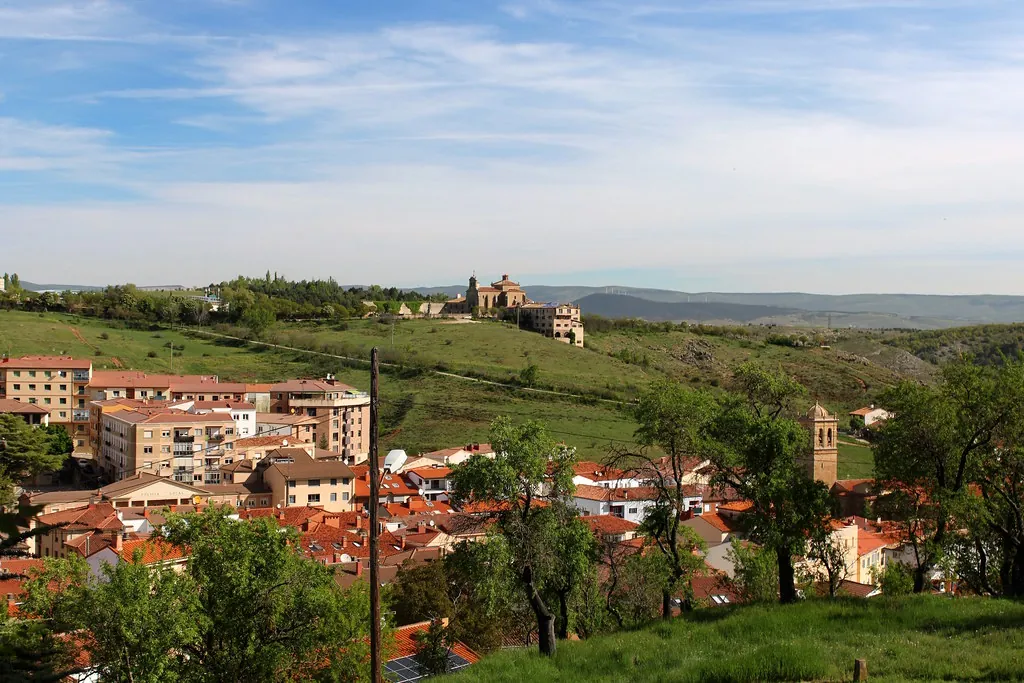
Twenty minutes north of Burgos city, the AP-1 motorway spits you onto provincial roads that grow narrower with each junction. Suddenly you're in a different century. Valle de Santibáñez appears as a cluster of stone and adobe houses around a 16th-century church tower, its population of 500 scattered across agricultural holdings that merge into the neighbouring villages of Solarana and Humienta.
The village sits at 865 metres above sea level, which means winter temperatures regularly drop below freezing and summer afternoons hit 35°C without a scrap of shade. Spring arrives late here – mid-April rather than March – and when it does, the transformation is brutal and brief. Brown fields explode into green overnight, creating a patchwork that changes colour weekly until the July harvest turns everything golden again.
Walking the agricultural tracks that radiate from the village centre reveals the true scale of cereal farming. Each field averages thirty hectares, worked by families who've been here since the Reconquista. The paths are rough gravel, suitable for tractors rather than hiking boots, and they stretch for miles without a single tree. Bring water, a hat, and realistic expectations about what constitutes scenery.
Stone, adobe and the smell of bread
The village architecture tells its own story of agricultural boom and bust. Grand stone houses with arched doorways sit beside modest adobe dwellings, their walls thick enough to keep interiors cool during August heatwaves. Many properties include underground cellars – bodegas – carved into the clay, where previous generations made wine from their own small vineyards before phylloxera wiped them out in the 1920s.
Calle Mayor, the main street, runs for 300 metres from the church to the cemetery. Along it, you'll see working examples of traditional building techniques: stone foundations supporting adobe walls, timber beams from local holm oak, and terracotta roof tiles handmade in nearby Aranda de Duero. Several houses retain their original wooden balconies, though health and safety concerns mean you can't stand on them anymore.
The Church of San Juan Bautista dominates the skyline with its square tower, rebuilt in 1787 after lightning destroyed the medieval original. Inside, the single nave contains a Baroque altarpiece gilded with American gold, paid for by locals who'd made fortunes in Seville's trade with the Indies. The priest only visits twice monthly now – the village shares him with four other parishes – but the building remains unlocked during daylight hours.
What passes for excitement around here
Valle de Santibáñez doesn't do attractions. What it offers instead is participation in rural life at its most authentic, which means timing your visit with agricultural rhythms. Late June brings the wheat harvest, when combine harvesters work through the night and the air smells of grain dust. October sees the sowing of next year's crop, while January brings the traditional pig slaughter, now mostly symbolic but still producing morcilla that rivals Burgos city's famous black pudding.
The village fiesta in mid-August transforms this quiet settlement into something resembling life. For three days, the population swells to 2,000 as former residents return from Bilbao, Barcelona and Madrid. They pack the single bar, hold outdoor mass under fairy lights, and dance until dawn in the plaza. Accommodation during fiesta week requires forward planning – there are no hotels in the village itself, and the nearest options in Burgos book up fast.
For food, you'll need to drive. The village bar opens sporadically, depending on whether Pilar feels like working that day. Ten minutes away in Solarana, Asador la Tahona serves roast lamb for €18 per person, but requires 24 hours notice. Your best bet is stocking up in Burgos before arrival – the Mercadona on Avenida de Castilla y León stays open until 9:30pm, even Sundays.
When Castile shows its teeth
Winter visits demand preparation. January temperatures average -2°C, and the village sits exposed to winds that sweep across the Meseta Central without interruption. Snow isn't uncommon, and when it arrives, the provincial roads become impassable within hours. The local council clears them eventually, but "eventually" operates on Castilian time – think days rather than hours.
Summer brings different challenges. From June to September, shade exists only inside buildings, and the agricultural tracks become dust bowls that clog every orifice. Afternoon activities cease between 2pm and 5pm – even the birds stop singing. Morning walks need to start by 8am, and you'll still return sweat-soaked and sunburned.
Spring and autumn provide the sweet spot. April mornings start crisp but warm to 18°C by lunchtime, perfect for following the sheep tracks that connect Valle de Santibáñez with neighbouring villages. September evenings bring spectacular sunsets that turn the wheat stubble copper and gold, while the night sky – unpolluted by street lighting – reveals the Milky Way in shocking detail.
The practical reality of nowhere in particular
Getting here requires commitment. Burgos bus station offers no services to Valle de Santibáñez – the nearest stop is Villalbilla de Burgos, 12 kilometres away, with two buses daily. Car hire from Burgos Airport costs €35 daily for a basic Fiat 500, though you'll want something sturdier if visiting during winter. The drive takes 25 minutes on the BU-801, a road so straight and flat that falling asleep at the wheel becomes a genuine hazard.
Mobile coverage depends on your provider. Vodafone works sporadically, Orange not at all. The village centre gets one bar of 4G if you stand in the right spot and hold your phone at the correct angle. WiFi exists only in the council building, open Tuesday and Thursday mornings, where the connection speed rivals dial-up internet from 1998.
Staying overnight means either the casa rural on Calle de la Cruz – three bedrooms, €60 nightly, book through the tourist office in Burgos – or camping illegally in the fields. The locals tolerate campervans parked discreetly, but tents attract unwanted attention from farmers protecting their crops. Either way, bring everything you need: the nearest shop is 15 kilometres away, and it closes for siesta between 2pm and 5pm.
Valle de Santibáñez won't change your life. It might, however, change your understanding of what constitutes distance, time and necessity. In a world of infinite choice and instant gratification, this village offers the radical alternative of limits – limited options, limited speed, limited noise. Some visitors flee after one silent night. Others stay for weeks, seduced by the honesty of a place that promises nothing and delivers exactly that, with uncompromising Castilian precision.