Full Article
about Valle De Valdebezana
Ocultar artículo Leer artículo completo
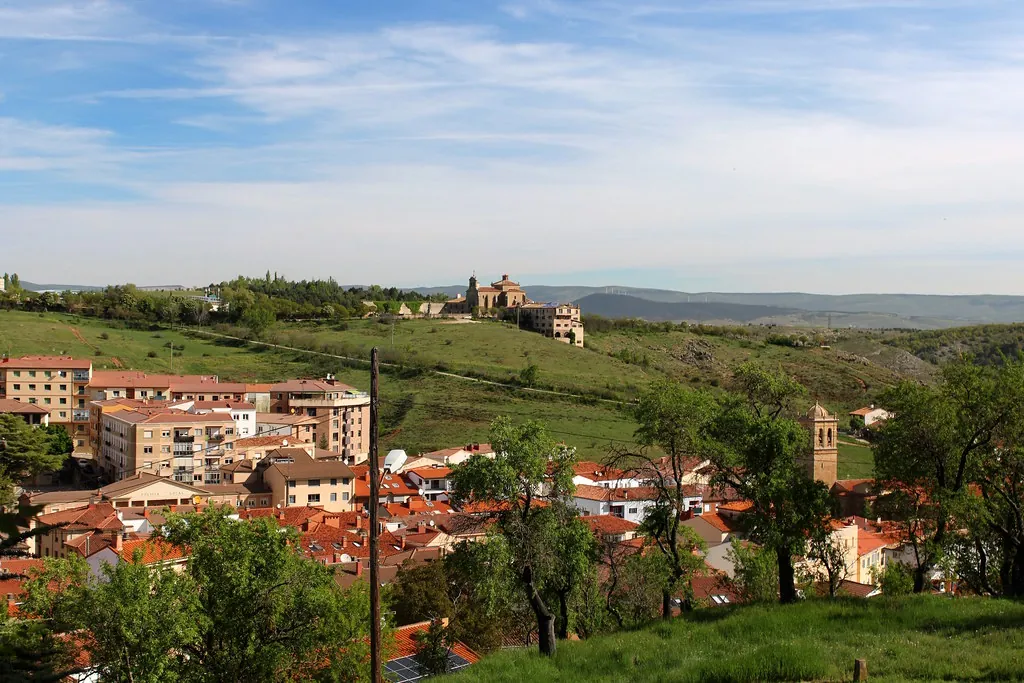
The morning mist hangs at eye-level somewhere around 850 metres, and the sheep bells carry like church clocks. You are still in Castilla y León, yet the land has already buckled into pre-Picos hills, the plateau’s wheat seas replaced by cow pastures and stone walls that look suspiciously green for a region famous as Spain’s "bread basket". This is Valle de Valdebezana, a 30-minute detour north of the A-67, and the moment the guidebooks give up.
Stone, Mist and the Sound of Cows
The valley’s 19 former hamlets were welded into one municipality a few years back, but nobody has told the villages. Each still keeps its own church key, its own summer fiesta and, crucially, its own bakery timetable. Soto de Bureba, the largest nucleus, stretches for barely three streets; park by the stone trough and you have essentially arrived. Virtus sits on a sun-trap ridge, Bezana clusters around a bridge, and San Martín de Porres is four houses and a Romanesque arch that is always locked—turn the iron handle anyway, force of habit.
Houses are built from the same grey limestone that pokes through the turf, so villages blend into hillsides the way a Dorset cottage dissolves into chalk downland. Wooden balconies, slate roofs and the occasional coat-of-arms carved above a doorway hint at medieval traffic heading for the Cantabrian coast. There are no souvenir shops; the nearest thing to signage is a hand-painted board advertising "Lechazo, sábados"—roast suckling lamb, Saturdays only.
Walking Without the Head-Torch Crowd
Topographical modesty is the valley’s trump card. Routes roll rather than rear, making a 12-km circuit between villages feasible for anyone who can manage the South-West Coast Path. Waymarking is erratic—look for yellow dashes on gateposts or the twin ruts of a farmer’s Land-Rover—but getting briefly lost is half the fun; every track eventually spills onto a tarmac lane where a passing tractor will offer directions.
Two loops deserve particular mention. The Bezana river stroll (5 km, 90 min) starts at the bridge in Bezana, follows the water through pollarded willows and ends at a picnic table somebody has thoughtfully chained to a walnut tree. Alto de la Muela (11 km, 3 h) climbs 300 m on farm tracks to a grassy summit that lets you see both the Picos de Europa and the meseta’s brown summer haze—stand still and the only sound is chewing.
April-May bring drifts of pink cistus and the smell of wet thyme; October turns the oaks copper and sets the hillside ablaze with saffron crocuses. Mid-summer is pleasant at this altitude (nights drop to 12 °C) but winter can trap cars in the lanes: come December the valley reverts to locals, wellies and wood smoke.
Churches, Bread Ovens and Other Things That Are Shut
Architectural ambition peaks with the parish churches—modest Romanesque naves enlarged in the 16th century, then slathered with baroque gild inside. Expect a carved tympanum of snakes and acanthus, a bell-tower you can’t climb and a wooden door reinforced with iron straps thick enough to deter any Moor who might still be interested. Locked doors are the norm; services are advertised on sheets of A4 and happen roughly once a month. Peer through the keyhole and you will usually catch a slice of gold altar and the smell of beeswax.
More rewarding, in a nosy sort of way, are the stone bread-oven huts scattered on the outskirts. Built like hobbit bunkers, they have slate chimneys and wooden doors the size of tea trays—knock and, if the owner is around, you may be shown the paddle still dusted with flour. Likewise the horreos (granaries on stilts) that pre-date the railway and testify to a time when grain was safer from rats in the air than on the ground.
What You’ll Eat, If You Time It Right
The valley’s menu is written by cattle, not tourists. Breakfast in a bar is toast rubbed with tomato, a drizzle of local olive oil and coffee that arrives in a glass because mugs are for foreigners. Lunch, served sharply at 14:00, might be sopa castellana—a garlic-and-ham broth that clears the sinuses—followed by chuletón, a rib-eye the size of a steering wheel, salted only at the last second so the interior stays almost blue. Vegetarians get tortilla, chips with eggs, or tortilla with chips; pick your battles.
Lamb here is milk-fed and served in kilo portions; order for one and you will still get half a carcass. The house wine from Ribera del Duero costs under €12 a bottle and is honest enough to make you cancel the Rioja upgrade. Pudding-safe choices are quesada pasiega (a baked cheesecake) or rice pudding burnt on top exactly the way Spanish grandmothers have done since Wellington was in the Peninsula.
Outside July-September only one restaurant in Soto keeps regular hours; every village has a bar, but opening is a mood-dependent science. Saturday night fills with Burgos families, Sunday lunch is sacred, Monday the valley goes back to silence—stock up before 20:00 or you will be making sandwiches.
How to Get There, and Why You Might Keep Going
The valley sits 54 km from Santander airport (UK flights March-Oct, plus year-round from London via Madrid). Pick up a hire car, join the A-67 towards Burgos, exit at Valle de Valdebezana—one junction, one sign, impossible to miss unless it’s foggy, in which case slow down after the 79 km marker. From Bilbao allow 90 minutes; public transport involves a train to Aguilar de Campóo and a taxi, but the meter will hurt more than the lamb.
Accommodation is thin. There is a nine-room rural hotel in Soto (doubles €70-85, heating extra in winter), two village houses to rent by the week and a handful of casas rurales booked through the municipal website—expect stone walls, Wi-Fi that forgets to work and a welcome pack of chorizo and milk. Campers should aim for the Picos; the valley has no sites, and farmers do not take kindly to tents among the alfalfa.
So why bother? Because northern Spain is increasingly ring-fenced by queues and cable-cars, and here, for the moment, you can still park, walk and eat without sharing the view with a coach party from Surrey. Bring Ordnance Survey attitude—waterproof, whistle, willingness to ask directions in pidgin Spanish—and Valle de Valdebezana gives back the soundtrack Castile lost somewhere between the high-speed rail and the package tour: cattle, wind, and the occasional tractor that refuses to start on a cold morning. If that sounds too quiet, keep driving; the Picos are 45 minutes north and the queue starts at the border.