Full Article
about Valle De Valdelucio
Ocultar artículo Leer artículo completo
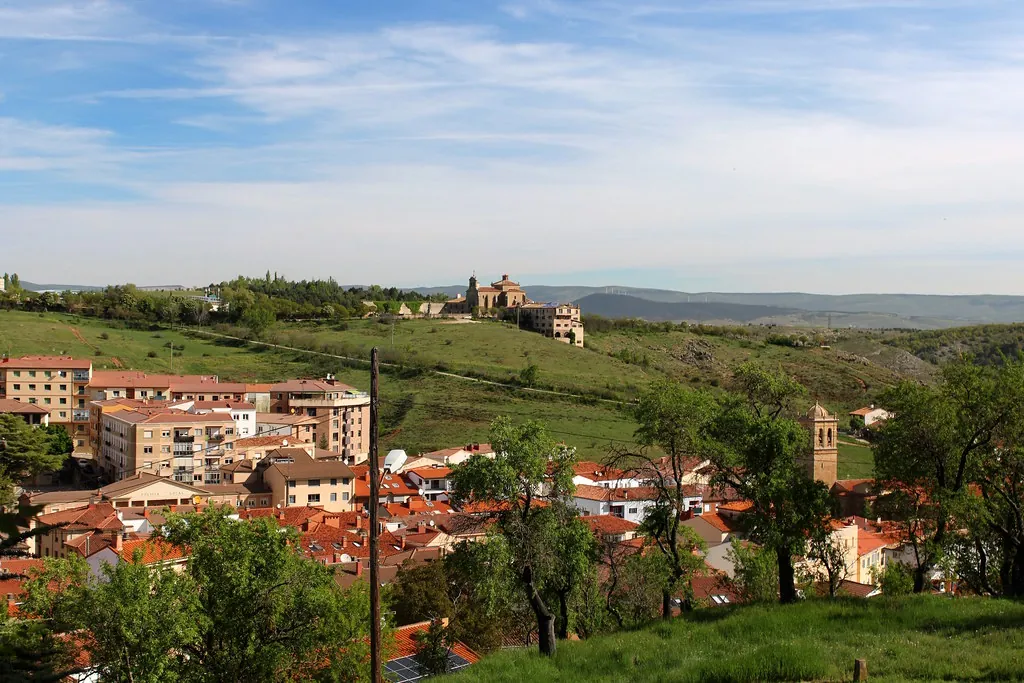
The church bell in Renedo strikes eleven and nobody stirs. Not the two men leaning against a stone wall, not the woman hanging sheets from her balcony, not even the dog sprawled across the warm tarmac. This is Valle de Valdelucio at midday in June: five thousand souls spread across a handful of hamlets, forty-five minutes southwest of Burgos, and a world away from anyone's Instagram feed.
Stone That Remembers
San Pedro de Tejada squats at the valley's western edge like a weathered toad. Its Romanesque doorway, carved in the 12th century, still carries the original mason's marks – small crosses scratched into the limestone to tally daily wages. The portal shows the Nativity in astonishing detail: sheep with individual curls, shepherds wearing what appear to be medieval trainers, the Virgin looking thoroughly exhausted. Inside, the air smells of extinguished candles and centuries of frankincense. The door is kept locked; fetch the key from María at number 14 (look for the green door, second house past the bakery). She'll want to chat about her grandchildren. Allow twenty minutes.
The valley's other churches require similar detective work. In Llanillo de Valdelucio, the priest only opens Santa María for Sunday mass at 10:30 sharp – arrive late and you'll find the congregation already spilling onto the plaza, exchanging village news while the organ wheezes through open windows. These aren't museums with gift shops. They're working buildings, patched and repatched, with electric cables stapled across 800-year-old frescoes and 1970s light fittings bolted to Gothic arches. The honesty is refreshing.
Walking Through Layers
The old drove road from Escuderos to Tejada follows a ridge that once marked the frontier between Christian and Moorish Spain. Today it's a 7km track through wheat and barley, rising gently to 1,050 metres. In April the fields glow almost neon-green; by July they're gold and rustling like dry paper. The path is marked by stone waymarkers every kilometre – look for the small iron crosses dating from 1743, when the bishop of Burgos ordered them erected to protect travellers from wolves. The wolves are long gone, but the crosses remain, bent and lichen-covered.
Summer walking here demands respect. Temperatures reach 38°C by noon, shade is theoretical, and the nearest water might be three villages away. Start early, carry two litres minimum, and don't trust the map's blue lines – many marked streams are seasonal. Spring and autumn prove kinder: May brings wild asparagus along the verges, October offers mushrooms if you know someone local (and you won't, not immediately).
Winter transforms the valley entirely. At 900 metres elevation, snow arrives properly, not the British dusting that brings motorways to a halt. Roads become impassable for days; Tejada's twelve residents stockpile food in October and hunker down. Visit between December and February only with chains, provisions, and a flexible schedule. The reward is absolute silence, broken only by church bells carrying across white fields.
What People Actually Eat
Valdelucio's culinary scene won't trouble the Michelin inspectors. There are three bars across the entire municipality, opening hours approximate, menus non-existent. In Escuderos, Bar Nevada serves coffee from 7am and keeps going until the last customer leaves – sometimes midnight, sometimes 4pm, depending on the proprietor's mood. Order the menú del día (€12) without expectations: it might be migas (fried breadcrumbs with garlic and chorizo) or a perfectly grilled pork chop with chips that taste of proper potato. The wine comes from Ribera del Duero, costs €2 a glass, and could pass for £25 in London.
For supplies, the Sunday market in neighbouring Melgar de Fernamental brings farmers selling cheese made from their own sheep, honey from valley hives, and morcilla that's still warm from morning slaughter. The queue at one particular stall starts at 10am; by 11:30 the blood sausage is gone. Bring cash and your own bag. The cheese vendor, Pilar, speaks fluent farmer's French from seasonal work in the Pyrenees – she'll understand your requests even if your Spanish stalls at "hola".
The Reality of Rural
Let's be candid. Mobile signal vanishes between villages. The nearest cash machine is twenty minutes' drive. Accommodation options are limited to three rural houses, booked solid during Easter and August by returning emigrants. One guesthouse in Renedo has three rooms, spotless but basic: expect tiled floors, wooden shutters that actually work, and a bathroom where the hot water takes three minutes to arrive. It costs €45 per night including breakfast: strong coffee, thick toast, and homemade jam that tastes of actual fruit.
The valley's young people have mostly left for Burgos, Bilbao, Barcelona. What remains is an ageing population keeping traditions alive through sheer determination. During fiesta week in August, the villages fill with grandchildren and great-grandchildren. Temporary bars appear in barns, brass bands play until dawn, and for five days the valley parties like it's 1959. Then everyone leaves, the decorations come down, and Valdelucio returns to its natural rhythm of soil, weather, and seasons.
Getting Here, Getting Away
From the UK, fly to Bilbao (Ryanair from Stansted, EasyJet from Gatwick). Hire a car – you'll need it – and drive two hours south through the industrial outskirts, past Burgos with its magnificent Gothic cathedral, into country where the roads narrow and GPS loses confidence. Alternatively, the train to Burgos (from London via Paris and Barcelona) connects with local buses that serve the valley twice daily, except Sundays, when there's one bus, maybe.
Drive carefully on the BU-630. The road climbs through pine plantations then drops suddenly into Valdelucio, revealing the valley spread below like a green apron. Pull over at the first lay-by – there's space for three cars – and look back towards the Sierra de la Demanda. This view hasn't changed since medieval shepherds brought their flocks here for summer pasture. The stone walls, the scattered hamlets, the way the land folds and unfolds: it's all still here, waiting for travellers willing to swap convenience for authenticity.
Stay two nights minimum. The first day you'll notice what's missing: crowds, boutiques, curated experiences. By the second, you'll realise what remains: the sound of your own thoughts, the satisfaction of a walk that ends at a village bar where everyone remembers your order, the simple pleasure of sitting in a 12th-century church as afternoon light slants through narrow windows onto stone worn smooth by eight centuries of knees and feet. Valle de Valdelucio doesn't do spectacular. It does real, and these days that's rarer than any view.