Full Article
about Valle De Zamanzas
Ocultar artículo Leer artículo completo
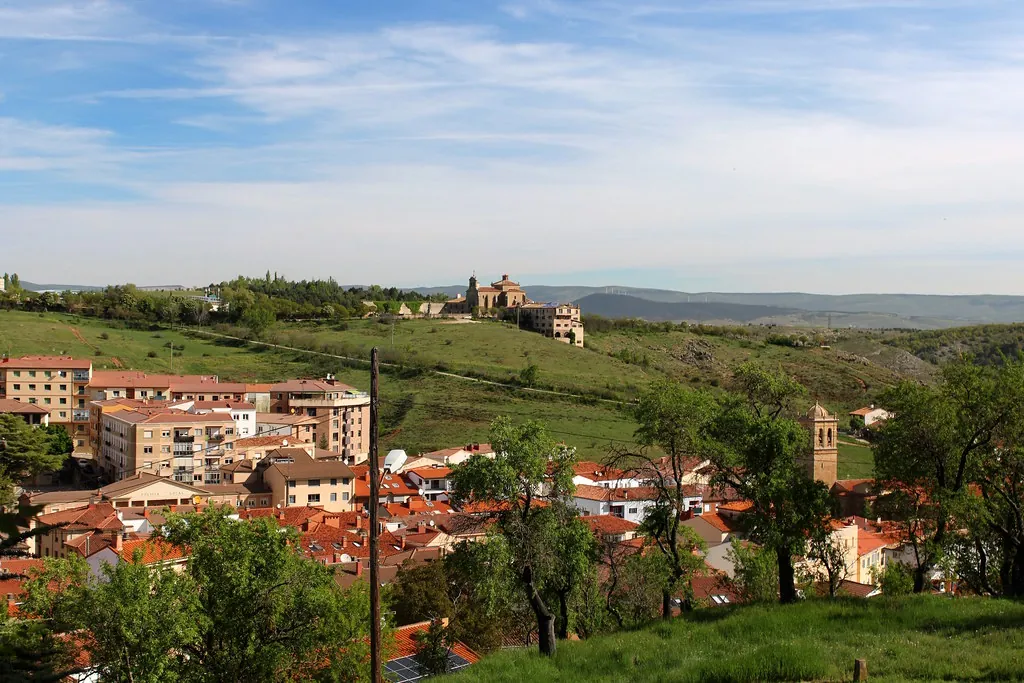
The first thing you notice is the hush. Not silence exactly – the caw of a crow carries for half a mile, a tractor coughs once then vanishes – but the kind of hush that makes a Londoner realise how much city noise has colonised their inner ear. Valle de Zamanzas sits at 880 m on the lip of Burgos province, where the Meseta’s wheat ocean breaks against the Cantabrian foothills. The air is thinner, cleaner, and carries the smell of broom and distant manure. Mobile reception drops to a single Vodafone bar the moment you leave the BU-532, and that, for many regular guests, is the point.
A municipality without a middle
Forget the idea of a compact pueblo with a plaza and a single bar. Valle de Zamanzas is an administrative patchwork of six tiny hamlets – Zamanzas itself, Barrio, Pinedillo, Los Llanos, Hoyos and Arroyo – scattered across 62 sq km of grain fields, sheep walks and oak clumps. The council meets in a stone schoolhouse that doubles as the parish church when the priest remembers to come. Permanent population hovers around 45; in August it quadruples as Castilian ex-pats return from Bilbao and Madrid to repaint grandmothers’ houses and hold late-night card tournaments under LED bulbs run off generators. Between fiestas the place runs on solar panels and the stubbornness of people who still hand-hoe vegetable plots at dawn.
Most visitors base themselves at Molino del Canto, a seventeenth-century water mill turned into six-room guest house on the banks of the Rudrón. English is spoken – owners Sheila and José Luis spent twenty years in Manchester – but breakfast is pure Merindades: wild-thyme honey from the valley, eggs that were still warm when collected, coffee strong enough to stain the cup. Dinners are set-menu (no choice, dietary needs taken in advance) and start at 20:30 sharp; if you’re late you’ll find the trout has gone cold and the Rioja has been poured for someone else. Packed lunches are hefty enough for a British appetite: door-stop bread, a slab of sheep’s-milk cheese, chorizo that leaks paprika oil, and an apple the size of a cricket ball.
Walking without breadcrumbs
The GR-99 “Caminos del Ebro” long-distance trail clips the valley on its 1 200 km march from the Cantabria coast to the Mediterranean. UK operators such as Inntravel and CycleBreaks sell week-long itineraries that use Molino del Canto as a rest day because, frankly, the birdlife here is ridiculous. On a calm June morning you can log 56 species before lunch: Egyptian vulture, griffon, short-toed eagle, then dipper and grey wagtail along the mill race. José Luis keeps a 4×4 for half-day safaris up to the limestone rim; from the top the valley looks like a crumpled green sheet held down by stone walls.
Independent walkers need GPS tracks – the 1:50 000 map is called “Montes de Ordunte” and even that shows paths that have been ploughed up by pigs. A favourite circuit heads south from the mill, crosses the Rudrón on a wobble of planks, then climbs 350 m through holm oak to the abandoned village of Zambrana. Roofs have collapsed but the bread oven still smells of soot; swallows nest where families once slept. Allow four hours, carry two litres of water, and expect no shade after 11 a.m. In July the canyon can hit 35 °C; thermals rise like glass lifts and the only sound is cicadas and your own pulse.
Seasons that lock and unlock the gate
Spring comes late at this altitude. Hawthorn flowers in late April, followed by purple bugloss that turns entire slopes into a Monet haze. May and June are the sweet spot: daylight until 21:45, night temperatures cool enough for a jumper, and orchids along the sheep tracks. Autumn is equally civilised – the grain stubble glows bronze, bee-eaters gather on telegraph wires before crossing the Sahara, and the mill pond reflects a sky so clear you can read the Plough at 8 p.m. Winter is another matter. The BU-532 is the last road the snowplough bothers with; if a northerly sweeps in you may wake to 20 cm of powder and no exit for two days. Guests have been known to extend their stay involuntarily – no one complains once the generator is humming and the wine cellar is within reach.
What you won’t find (and might miss)
There is no shop, no bar, no petrol pump. The nearest ATM is 30 km away in Medina de Pomar, so stop in Villarcayo on the way up – the Saturday market sells mild “queso de nata” that even timid British palates enjoy. Phone signal is Vodafone-only; WhatsApp calls home work fine from the mill terrace but forget about streaming the rugby. If you need nightlife, Burgos is 75 minutes south, but the last bendy section is not a drive to attempt after a Rioja lunch.
Crowds are theoretical. On an average June day you will meet more shepherd dogs than people. The upside is photographic licence: no tour buses photobombing your shot of the stone bridge, no selfie queue at the church door. The downside is that when the weather closes in the valley can feel maritime in its isolation. Bring a paperback, download the OS map offline, and accept that the entertainment is the landscape itself changing colour every half hour.
How to do it without tears
Fly to Bilbao – the airport is two hours away on fast motorway, last 25 km on empty mountain road. Car hire is essential; public transport stops at Villasante de Ordunte, 12 km downhill, and taxis refuse to come up the track. Pack layers: even in August the temperature can drop to 10 °C after midnight at 880 m. Stout boots with ankle support save twisted knees on the loose limestone scree. And bring cash – the mill takes cards but the neighbouring village of Hoyos sells homemade chorizo from a front room that operates on coins only.
Book Molino del Canto direct or through the UK operators; doubles from €110 half-board, closed January. If it’s full, the nearest beds are in Medina de Pomar, but you lose the dawn chorus and the right to roll straight out of bed onto the trail. Self-catering cottages exist in Villarcayo, yet staying down in the valley means you clock up 600 m of ascent before breakfast just to fetch the bread.
Leave before sunrise on your final morning and you’ll see the valley doing what it does best: revealing itself slowly, like a developing photograph. Mist pools in the lowest fields, a rooster argues with the echo off the gorge, and for a few minutes the only light comes from the mill kitchen where someone is already grinding coffee. Then the sun breaches the eastern ridge and the stone walls turn the colour of digestive biscuits. You could call it picturesque – but that would miss the point. Valle de Zamanzas isn’t a scene; it’s a working negotiation between people and altitude, stone and weather, isolation and the determination to stay. Come prepared, tread lightly, and the valley will let you listen in for a while.