Full Article
about Villaescusa De Roa
Ocultar artículo Leer artículo completo
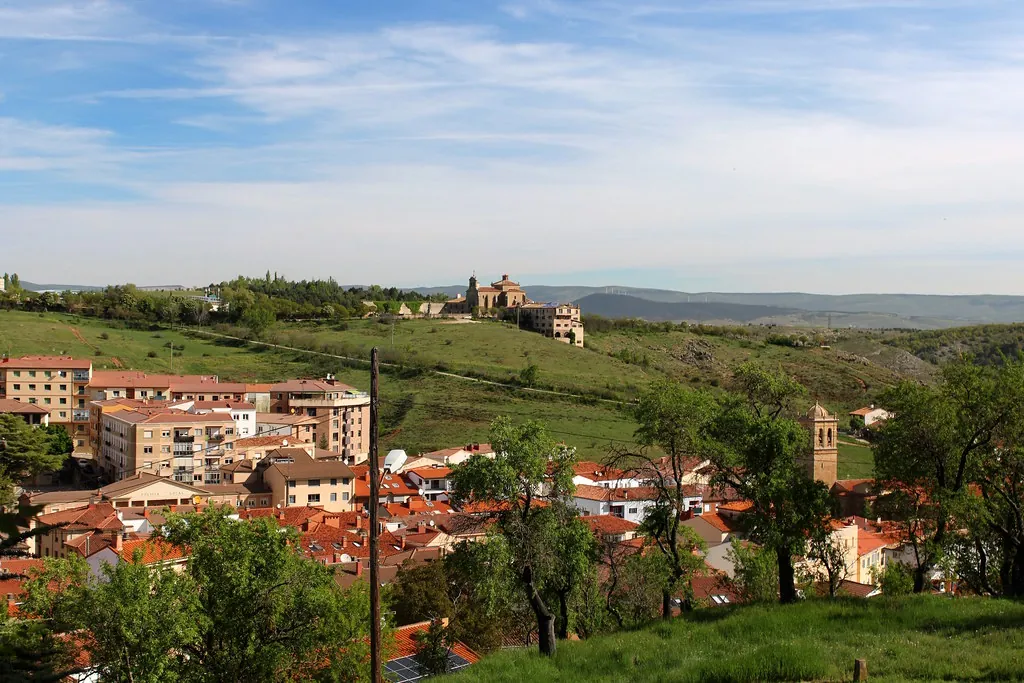
The church bell strikes noon and every swallow in Villaescusa de Roa lifts off the rooftops at once. From the single café table outside Bar La Viña you can watch the whole performance: wings flashing against cereal-gold stubble, the birds wheeling over stone walls that separate vineyard from wheat field, nobody bothering to look up except the waitress who brings your coffee without asking. She already knows you’re staying.
This is how days begin in the Ribera del Duero, 900 m above sea level on Spain’s northern plateau. The altitude matters. Mornings arrive sharp enough to make you reach for a jumper even in July, while afternoons bake the slate-coloured soil until the vines smell of warm iron. By evening the thermometer drops fifteen degrees; jackets reappear, locals switch from iced coffee to red wine, and British visitors realise they have packed for the wrong country. Bring layers, a phrase that never makes the brochures.
A Village That Forgot to Sell Itself
No gift shop, no multilingual brown signs, no ticket booth. The tourist office is a laminated A4 sheet taped inside the ayuntamiento doorway, giving a mobile number that goes straight to voicemail. What you do get is a grid of six streets, two road junctions, and a population that halves when the harvest ends. Residents apologise for “how quiet it is,” then mention that the baker’s van still does door-to-door deliveries six days a week and the doctor holds surgery on Thursdays. Quiet is relative.
Architecture is the quietly ageing kind: ochre render flaking off adobe, timber doors the width of a donkey, iron rings where beasts were once tethered. Many houses sit blank to the street; push the right one and you find a vaulted bodega gouged into the hill, its clay floor stained garnet from centuries of spilled tempranillo. Count the underground cellars by the iron vent pipes poking through pavements like periscopes. Some owners will open for the village walking tour, others will pretend not to hear the bell. You need the guide anyway—book “Te Enseño mi Pueblo” the day before, groups cap at eight, cost €10, cash only.
Walking Out, Wine In
Paths leave the village on three sides, straight as rulers between vineyards owned by names you will later see on £35 restaurant lists back home. A thirty-minute stroll south climbs to an abandoned stone hut; from the doorway the Duero valley rolls out, a brown ribbon 200 m below. In April the vines are still leafless, the soil turned precisely between rows so the earth looks crocheted. October is the month to come: mornings scented with crushed grapes, trailers groaning along lanes, purple stains on the tarmac like squashed blackberries. The local cooperative pays pickers by the kilo; join in and you’ll be handed secateurs, a breakfast bocadillo and €6 an hour, but Spanish labour law insists on paperwork most visitors haven’t got.
Serious walking starts north-east on the GR-14 long-distance footpath, way-marked white-and-red. Follow it ninety minutes to Peñafiel and you reach a sandstone crag topped by a ship-shaped castle; inside is the provincial wine museum where tastings cost €3 and the pour is generous enough to make the return taxi appealing. Cyclists borrow the same trail; mountain bikes can be rented in Aranda de Duero (€25 a day), delivered to your door if you ask nicely.
Eating After Dark
Kitchens close early. Lunch finishes at 15:30, supper starts 21:00 sharp; arrive outside these slots and even the bar microwave goes cold. The single restaurant, La Taba, has six tables and a handwritten menu that rarely changes: sopa castellana garlicky enough to stun a vampire, roast suckling lamb for two (€42), almond tart still warm from the wood oven. Vegetarians get eggs, cheese and resignation. Wine by the glass is whatever the owner opened for the staff at 20:00; ask for the crianza from the village cooperative and you’ll pay €2.50 for something supermarkets in London badge at £14.
Saturday is takeaway night. The bakery fires the brick oven at 19:00; locals queue for cocido stew to carry home in plastic tubs. Visitors clutching hotel-room forks can buy half a kilo for €8 and a slab of still-warm bread. There is no Indian, no Chinese, no pizza delivery. The kebab van turns up only during the August fiestas; the entire village eats from it at 02:00 and pretends it never happened.
How to Get Here, How to Leave
Fly to Madrid, pick up a hire car, head north on the A-1 for 90 minutes. The turning appears immediately after a wind farm; miss it and you’re committed to another 15 km of dual carriageway. Bilbao is closer in miles but slower on mountain roads; allow two hours. Trains reach Aranda de Duero from both cities; taxis into Villaescusa cost €25 and must be pre-booked—there is no rank. Bus timetables read like fiction, especially on Sundays.
Accommodation is either the Molino pool house ten kilometres away (air-con, Wi-Fi, €130 a night) or one of three village houses on Airbnb restored by Madrileños fleeing the capital. Expect beams, wood-burners and shower pressure that could strip paint; do not expect a reception desk. Keys are left under a flowerpot, instructions are WhatsApped. Bring breakfast provisions: the mini-market opens 09:00–13:00, shuts 17:00–20:00, and stocks UHT milk, tinned asparagus and little else. The bakery does excellent butter croissants but sells out by 10:00.
When the Weather Turns
Winter arrives overnight, usually the first week of November. Temperatures can fall to –8 °C; the village sits above the fog line, so while the Duero valley disappears under grey cloud you stand in brilliant sunshine wearing every jumper you brought. Snow is brief but paralysing—council gritters exist only on paper. Spring brings vicious hailstorms that can shred a vineyard in minutes; insurance posters in the bar remind locals to pay up. July and August hit 34 °C at midday; sensible people nap, then irrigate at dusk. The swimming hole at Roa, five kilometres away, is where teenagers disappear to; everyone else sits in the shade drinking ice water cut with red wine, a mixture that looks alarming, tastes like summer, and is impossible to replicate once home.
Leave on a weekday if you need fuel; the nearest 24-hour station is 30 km west and the automated pump rejects most British cards. The road south dips through oak forest where black pigs graze for acorns; pull over, crack the windows, and the air smells of ham and thyme. Somewhere behind you the church bell counts the hour, the swallows rise again, and the village resets to the quiet that nobody back home will quite believe still exists.