Full Article
about Villaquiran De La Puebla
Ocultar artículo Leer artículo completo
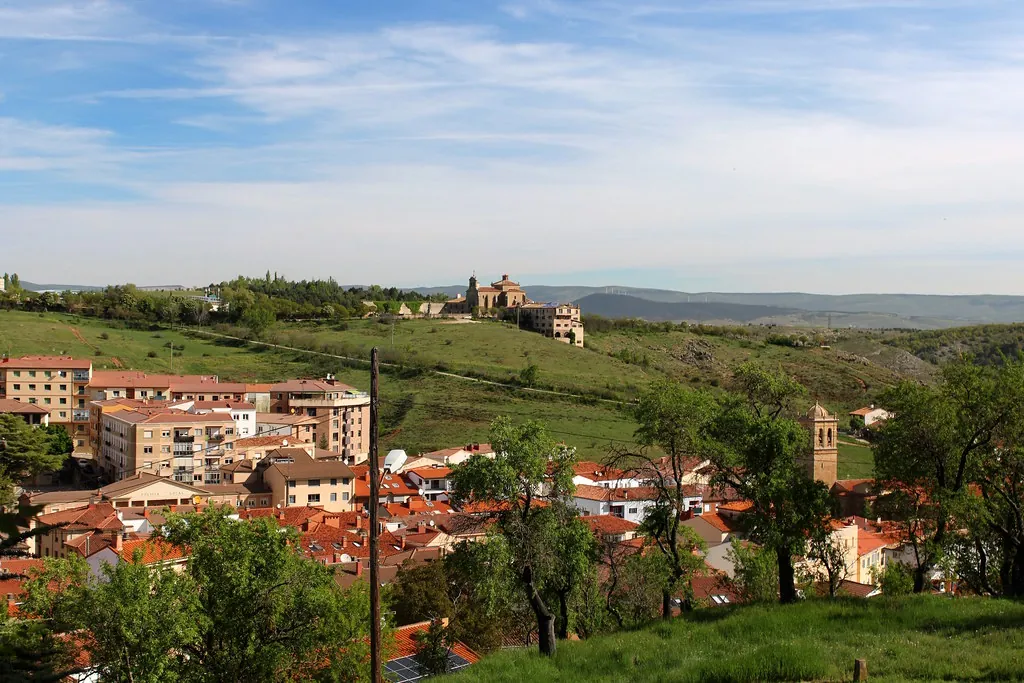
The church bell strikes eleven and the only other sound is a tractor turning soil somewhere beyond the stone houses. Villaquiran De La Puebla, halfway between Burgos and Valladolid, has no souvenir stalls, no guided tours, and—on weekdays—barely a bar open before noon. What it does have is horizon: wheat, barley and sunflower fields rolling out in every direction until the sky folds over them like a lid.
Most motorists flash past on the CL-610, seeing only a blur of ochre walls and terracotta roofs. Turn off, however, and the village reveals the sort of slow calendar the rest of us misplace somewhere between primary school and the first mobile phone. Locals still talk about rain the way city people discuss share prices, and the weekly delivery truck is timed for the day the baker takes her afternoon off.
Stone, Adobe and the Smell of Fresh Bread
The centre is a simple cross: Calle Real running north-south, Calle de la Iglesia east-west. Houses are built from whatever came to hand—granite at the bottom for strength, adobe bricks above for insulation, roof tiles thick enough to survive the hail that can strip a wheat field in ten minutes. Many façades still carry the hand-painted numbers of long-defunct electoral rolls; a few show faint blue symbols indicating which rooms once stored grain or housed animals. Renovations happen, but rarely quickly. One corner property has had scaffolding since 2019; the owner repairs a wall each time lambs fetch a good price at the autumn fair.
The parish church of San Andrés stands at the junction, its Romanesque doorway recycled from an earlier chapel on the same spot. Inside, the air smells of candle wax and damp stone; the altarpiece is nineteenth-century, gilded but restrained, the provincial cousin of the screaming baroque monuments in larger Castilian towns. Drop a euro in the box and the sacristan—if he’s tending the geraniums outside—will unlock the bell tower so you can see the plains ripple outward like a beige ocean.
Walk any side street and you reach the rim of the village within five minutes. Here the houses give way to kitchen gardens and dog-leg tracks where tractors have worn the tarmac into waves. On the eastern edge sit half-buried bodegas: cave cellars dug into the clay, their heavy wooden doors secured with iron bars thick as a shepherd’s crook. Most are empty now, though one or two still hold last year’s wine in plastic drums, the vintage measured not in tasting notes but in how many litres were needed for the granddaughter’s wedding.
A Plate of Lamb and a Glass of Tinto
Food is straightforward. The nearest restaurant, Mesón del Cid, is five kilometres away in the neighbouring village—close enough that taxi drivers refuse the fare and locals simply designate a driver. Expect lechazo (milk-fed lamb) roasted in a wood-fired oven until the skin crackles like thin toffee, followed by a wedge of queso de Burgos so fresh it squeaks between the teeth. A three-course lunch menu costs around €16 including a quarter-bottle of house red; bread is replenished without asking, but butter is considered an affectation. Vegetarians can assemble a meal from sides—roast peppers, white beans with spinach, the ubiquitous patatas alioli—but should probably phone ahead so the kitchen doesn’t panic.
If you’re staying overnight, stock up before 20:00. The village shop shuts when the owner’s grandchildren visit, and that timetable is not published. Basics—milk, tinned tuna, peaches in syrup—are available from a vending machine outside the council office, a contraption installed during the pandemic and now treated like a 24-hour corner shop.
When to Come, How to Leave
Spring and autumn give you colour without the furnace. In April the wheat is ankle-high and neon green; by late May the stalks have turned metallic under the sun, and the air smells of chamomile crushed under tyre. October brings stubble fires whose smoke hangs in layers you can taste. Summer is honest: 35°C by noon, shade only in the church porch, and flies that have mastered the art of getting through mosquito nets. Winter is crisp, often below freezing, but the light is so sharp you can count the wind turbines on the distant ridge.
There is no train station. ALSA coaches link Burgos and Valladolid three times daily; ask the driver for “Villaquiran cruce” and walk the final kilometre along a lane where larks rise from the verge. By car, leave the A-62 at Lerma, follow the BU-901, then the CL-610—total driving time from Santander ferry port is two hours, from Bilbao an hour and a half. A weekend hire car collected at the airport typically costs £90 including basic insurance; petrol is cheaper than the UK but motorway tolls will claw back the difference if you stick to the dualling.
Accommodation is thin. The parish albergue has eight beds (€15, bring your own sheet) and a kitchen that locks at 22:00. The nearest hotel with Wi-Fi is in Lerma, 18 minutes away, a former ducal palace where doubles start at €85. Better strategy: base yourself in Burgos (40 minutes) and day-trip. The cathedral city has Sunday parking for €1 all day under the castle, plus enough tapas bars to keep dinner interesting.
The Things You Won’t Photograph
What lingers is not architectural grandeur but the village soundtrack: the clank of a grain elevator, the soft pop of a bicycle tyre on dry earth, an elderly man calling his dog in a dialect so regional it needs subtitles. Visitors arrive expecting monuments and leave remembering instead the quality of silence when the wind drops. That, and the realisation that somewhere between the bakery closing at 13:00 and the bars reopening at 20:00, the day has been full without anything actually happening.
Come if you’re passing, stay if you’re curious, but don’t expect Villaquiran De La Puebla to entertain you. Entertainment is what you notice later, scrolling through photos and wondering why a plain horizon suddenly feels like the best thing you saw all week.